 admin
admin Monstera Brown Spots on Leaves: Your Complete Guide to Fungal Treatment
Discovering unsightly brown spots marring the lush green leaves of your Monstera deliciosa can be disheartening. These blemishes are more than just a cosmetic issue; they are often a distress signal, indicating a potential fungal infection that can threaten the health of your beloved plant. Understanding the cause is the first critical step toward effective treatment and recovery. This guide will walk you through identifying, treating, and preventing fungal issues, empowering you to restore your Monstera to its former glory.
Identifying the Fungal Culprits Behind Brown Spots
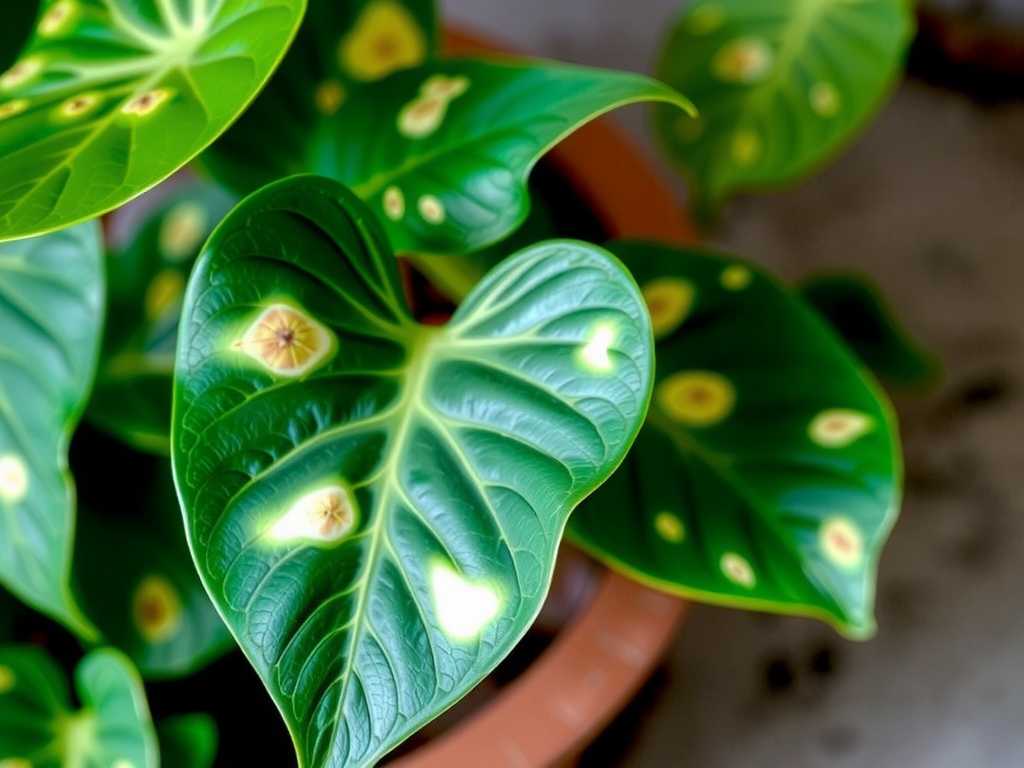
Not all brown spots are created equal. Accurate identification is crucial for applying the correct treatment. Fungal infections typically present with distinct patterns that differ from issues like overwatering, sunburn, or nutrient deficiency.
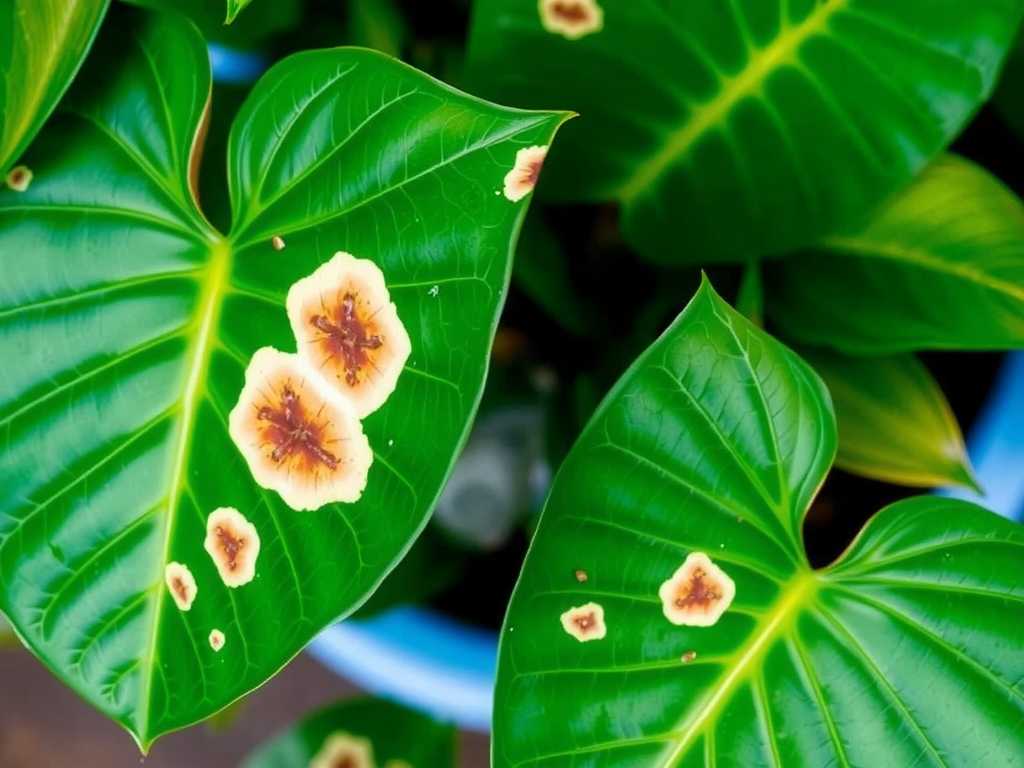
Common Signs of Fungal Leaf Spot Fungal leaf spot diseases often start as small, water-soaked, or dark lesions on the foliage. These spots frequently have a yellow halo or ring surrounding the brown center. Over time, they can enlarge, merge, and cause the leaf tissue to become brittle and fall out, leaving holes. The spots may appear on any part of the leaf but often begin on older, lower leaves or where moisture lingers.
Primary Fungal Pathogens Two main types of fungi are often responsible for treating fungal leaf spot on Monstera: Cercospora and Anthracnose.
- Cercospora leaf spot usually manifests as small, round to oval tan or light brown spots with a dark brown margin. They can appear in clusters.
- Anthracnose, caused by Colletotrichum fungi, often shows as larger, irregular brown patches that may follow leaf veins. In advanced stages, you might see concentric rings or dark specks (fungal fruiting bodies) within the spots.
Immediate Action Plan: Treating Fungal Infections
Once you've identified a likely fungal issue, swift and decisive action is required to halt its spread.
Step 1: Isolate and Inspect Immediately move your affected Monstera away from other houseplants. This quarantine prevents spores from spreading through air currents or water splash. Conduct a thorough inspection of all leaves, both topside and underside, and the stems to assess the extent of the infection.
Step 2: Prune Affected Foliage Using sterilized, sharp pruning shears or scissors, carefully remove all heavily spotted and damaged leaves. Cut at the base of the leaf stem. Moderately affected leaves can have just the spotted sections trimmed away if you wish to preserve them. Sterilize your tools with rubbing alcohol between each cut to avoid cross-contamination. Dispose of the infected plant material in a sealed bag—do not compost it.
Step 3: Apply Fungicidal Treatment For the remaining plant, apply an appropriate fungicide. As noted by plant pathologist Dr. Eleanor Greene, "For houseplant fungal issues, starting with less harsh, targeted treatments is often effective and preserves the plant's microbiome."
- Natural/Organic Options: A weekly spray of a baking soda solution (1 teaspoon baking soda per liter of water with a drop of mild soap) can alter leaf surface pH, inhibiting fungal growth. Neem oil is another effective, broad-spectrum option that acts as both a fungicide and miticide.
- Commercial Fungicides: For persistent cases, use a copper-based fungicide or a product containing chlorothalonil. Always follow the label instructions meticulously regarding dilution and application frequency. Ensure you cover all leaf surfaces thoroughly.
Step 4: Correct Environmental Conditions Fungi thrive in wet, stagnant conditions. This is the most critical long-term step for managing fungal disease in Swiss Cheese plants.
- Watering: Adjust your habit. Water only when the top few inches of soil are dry. Always water at the soil line, avoiding splashing the leaves. Ensure your pot has excellent drainage.
- Humidity & Airflow: While Monsteras enjoy humidity, excessive moisture on leaves invites fungus. Increase air circulation around the plant with a gentle fan. Water in the morning so leaves dry quickly.
- Light: Provide bright, indirect light. A stronger plant is more resistant to disease.
Preventing Future Fungal Outbreaks
Prevention is always simpler than cure. Integrate these practices into your regular plant care routine to build resilience.
Optimize Your Care Routine Stick to a consistent watering schedule based on soil dryness, not the calendar. Use a well-draining, aerated potting mix—consider adding perlite or orchid bark to a standard mix. Clean your plant's leaves periodically with a damp cloth to remove dust and potential spores, which also improves photosynthesis.
Quarantine and Monitor New Plants Always quarantine new plants for 2-3 weeks before placing them near your existing collection. This allows you to monitor for any hidden pests or diseases, a practice recommended by industry reports on preventing indoor plant epidemics.
Strengthen Plant Immunity A healthy plant fights off disease better. Feed your Monstera with a balanced, diluted fertilizer during the growing season, but avoid over-fertilizing, which can cause weak, susceptible growth. Ensure it receives the right amount of light to maintain robust health.
Why are the brown spots on my Monstera leaves crispy, not mushy? Crispy brown spots with a yellow halo are classic signs of a fungal leaf spot infection or, alternatively, underwatering or low humidity. Fungal spots often start as lesions that dry out and become brittle. If the spots are concentrated at the leaf tips or edges, consider humidity issues. If they are scattered with a ringed pattern, fungus is the likely cause.
Can I use cinnamon to treat fungal spots on my Monstera? Yes, cinnamon powder is a popular natural antifungal agent. While not as potent as commercial fungicides for advanced infections, it can be effective for minor issues or as a preventative. You can dust a small amount onto the cut end of a leaf stem after pruning to protect the wound, or make a weak cinnamon tea to spray on the soil surface.
How long does it take for a Monstera to recover from a fungal infection? Recovery time depends on the infection's severity and your treatment consistency. After pruning and applying fungicide, you should see the spread of spots halt within 1-2 weeks. The plant will then redirect energy into producing new, healthy growth. Existing spots will not heal or turn green again, but with proper care, new leaves should emerge spot-free. Patience and consistent environmental correction are key.
发表评论