 admin
admin Monstera Wilting from Disease: How to Revive Your Plant
Seeing your beloved Monstera plant wilting is a heart-sinking moment. Those iconic, glossy leaves drooping or turning yellow signal that something is seriously wrong. While underwatering is a common culprit, wilting caused by disease is a more complex and urgent problem. It requires swift identification and precise action to save your plant. This guide will help you diagnose the specific disease affecting your Monstera and provide a clear, step-by-step revival plan.

Understanding Why Your Monstera is Wilting
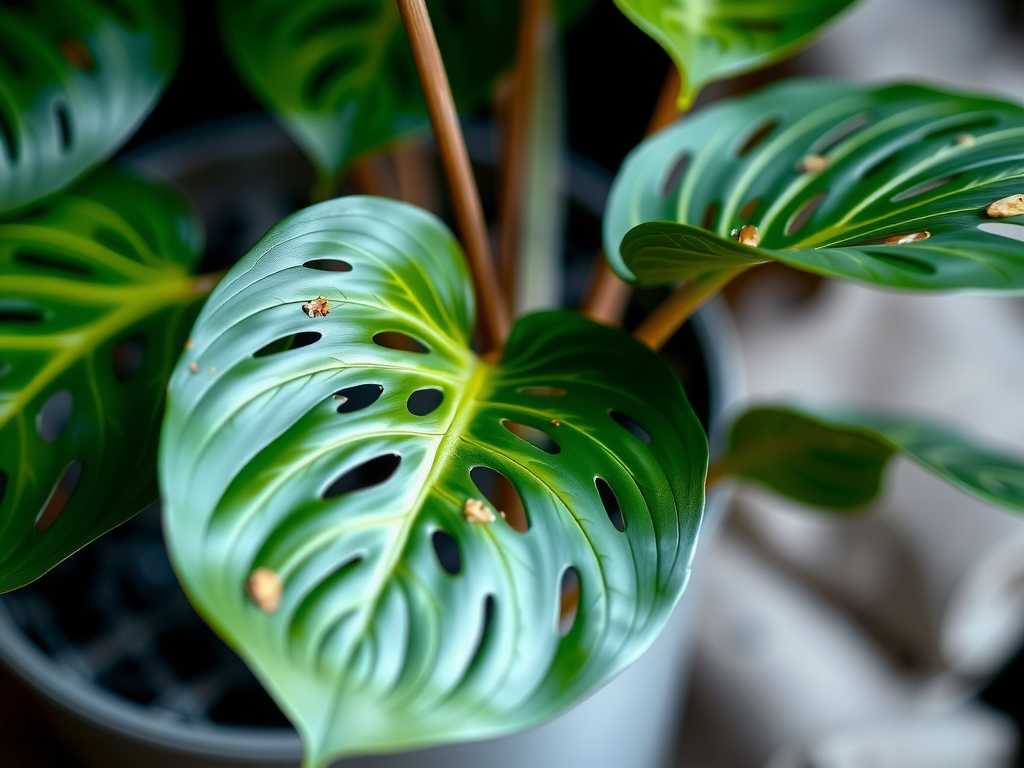
Wilting is a symptom, not a disease itself. It's the plant's distress call, indicating its internal systems are compromised. When disease strikes, it often attacks the roots or the vascular system, blocking the flow of water and nutrients. This leads to the loss of turgor pressure—the water pressure that keeps leaves firm—resulting in that sad, droopy appearance. Distinguishing disease-related wilting from simple thirst is your first critical step.
Diagnosing the Disease Behind the Wilting
Accurate diagnosis is 90% of the cure. Here are the most common diseases that cause Monstera wilting, their key symptoms, and how to tell them apart.
Root Rot: The Silent Killer
This is the most frequent cause of severe, sudden wilting in Monsteras. It's primarily caused by overwatering and poor drainage, creating an anaerobic environment where harmful fungi like Pythium, Phytophthora, and Rhizoctonia thrive.
- Symptoms: The plant wilts dramatically despite wet soil. Leaves turn yellow, starting with the lower, older ones. The most telling sign is at the root level: healthy roots are firm and white, while rotten roots are mushy, brown or black, and may have a foul odor. The stem base might also feel soft.
- How to Check: Gently remove your Monstera from its pot. Shake off the soil and inspect the root ball. The presence of any soft, disintegrating roots confirms root rot.
Bacterial Leaf Spot and Blight
Caused by bacteria like Xanthomonas or Pseudomonas, these diseases can lead to systemic issues and wilting, especially if they progress to the stem.
- Symptoms: Look for irregular, water-soaked spots on leaves, often with a yellow halo. As the disease advances, these spots can coalesce, causing large sections of the leaf to die. In severe cases, the bacteria can enter the stem (vascular wilt), blocking water flow and causing the entire plant to wilt.
- Differentiation: Unlike fungal issues, bacterial spots often look "wet" or greasy and spread rapidly under warm, humid conditions.
Fusarium or Verticillium Wilt
These are less common but serious fungal diseases that directly invade the plant's vascular system.
- Symptoms: Wilting often begins on one side of the plant or on a single stem. Leaves yellow between the veins, then turn brown and die. Cutting an affected stem may reveal dark brown streaks inside the vascular tissue. This wilting is not solved by watering and typically progresses until the stem is fully girdled.
Southern Blight
Caused by the fungus Sclerotium rolfsii, this is a fast-moving disease.
- Symptoms: Rapid wilting and yellowing. Look for a white, cottony fungal growth at the soil line and on the lower stem, often accompanied by small, round, mustard-seed-sized sclerotia (fungal resting bodies) that start white and turn brown.
Your Step-by-Step Revival Plan
Once you've identified the likely disease, act immediately with this targeted approach.
Immediate Isolation and Assessment
Move your sick Monstera away from all other plants to prevent potential spread. This is non-negotiable. Gather your tools: clean, sharp scissors or pruning shears, a new pot with drainage holes, fresh well-draining potting mix (e.g., an aroid mix with perlite and orchid bark), and a fungicide (optional, for fungal cases).
Step 1: The Surgical Root and Leaf Trim (For Root Rot & Severe Cases)
- Unpot and Clean: Remove the plant and gently wash all soil from the roots under lukewarm water.
- Sterilize & Cut: Sterilize your cutting tools with rubbing alcohol. Prune away every single mushy, brown, or black root. Be ruthless—any rot left behind will spread. Cut back any severely yellowed or spotted leaves to help the plant focus energy on recovery.
- Disinfect: Soak the remaining healthy root system in a hydrogen peroxide solution (1 part 3% H₂O₂ to 3 parts water) for 5-10 minutes. This helps kill any lingering surface pathogens.
- Repot: Place the plant in a clean pot with fresh, dry, well-draining soil. Do not reuse old soil. Water lightly just to settle the soil, then wait.
Step 2: The Environmental Reset
Your Monstera needs optimal conditions to muster its strength.
- Watering Discipline: After repotting, enter a "less is more" phase. Allow the top 2-3 inches of soil to dry out completely before watering deeply. Always empty the saucer.
- Light & Humidity: Provide bright, indirect light. Avoid direct sun, which stresses a recovering plant. Maintain moderate humidity (40-60%), but ensure good air circulation to discourage fungal growth.
- Hold the Fertilizer: Do not fertilize for at least 2-3 months. Fertilizer can burn new, tender roots and feed pathogens.
Step 3: Treatment Application
- For Fungal Issues (Root Rot, Southern Blight): After repotting, you can apply a copper-based fungicide or a product containing Bacillus amyloliquefaciens (a beneficial bacteria) as a soil drench according to label instructions. These act as preventative shields.
- For Bacterial Issues: There are no effective chemical cures for home gardeners. Your strategy is excision and environment control. Remove all affected leaves with sterilized tools. Drastically reduce leaf wetness—water at the soil level only and improve air flow. Bactericides are largely preventative.
Step 4: The Patience and Monitoring Phase
Recovery takes time—think weeks to months, not days. New growth is your ultimate sign of success. A small, pale leaf emerging is a cause for celebration. Continue your careful watering regimen and stable environment. If wilting continues or spreads after this process, the disease may have been too advanced.
Preventing Future Disease and Wilting
The best cure is always prevention. Implement these practices to keep your Monstera robust.
- Master the Watering Can: Water only when the top few inches of soil are dry. Use your finger or a moisture meter. "Loving it to death" with water is the #1 mistake.
- Invest in the Foundation: Use a chunky, airy potting mix and a pot with ample drainage holes. Terracotta pots are excellent for promoting soil aeration.
- Practice Clean Gardening: Sterilize pots and tools between uses. Quarantine new plants for a few weeks before introducing them to your collection.
- Optimize Overall Health: A plant receiving appropriate light, humidity, and occasional fertilizer during the growing season is far more resistant to disease, much like a healthy person is more resistant to infection.
Why is my Monstera wilting even though the soil is wet? This is the classic signature of root rot. Wet soil combined with wilting means the roots are damaged or dead and can no longer absorb water, effectively leaving the plant dehydrated despite being surrounded by moisture. Immediate root inspection and repotting are required.
Can a completely wilted Monstera be saved? It depends on the cause and the remaining healthy tissue. If the stems are still firm and there are some healthy, white roots left after trimming all rot, there is a good chance. If the main stem is mushy and all roots are black, the plant may be too far gone. However, you can attempt to propagate any remaining healthy stem cuttings with nodes in water or sphagnum moss.
Should I use cinnamon or hydrogen peroxide on rotten roots? While cinnamon is a popular natural antifungal and can be dusted on cut roots to dry them out, its effect is mild. A diluted hydrogen peroxide soak is a more active treatment as it releases oxygen, kills anaerobic bacteria, and cleans the wound. For severe cases, a commercial fungicide may be more reliable. The critical step remains the physical removal of all rotten material.

发表评论