 admin
admin Monstera Mold on Soil: Causes & How to Remove It
Discovering a layer of fuzzy, white, or even colorful mold on the soil of your beloved Monstera plant can be an alarming sight. One day, your prized Swiss Cheese plant is thriving, and the next, its potting mix seems to be hosting an unwanted fungal colony. This common issue often triggers panic, leading to questions about plant safety, root health, and the right course of action. Understanding that Monstera mold on soil is typically a surface-level symptom rather than a direct death sentence for your plant is the first step toward effective remediation. This guide will walk you through the precise causes, safe removal methods, and proven prevention strategies to restore your plant's environment to health.
Understanding Mold on Your Monstera's Soil
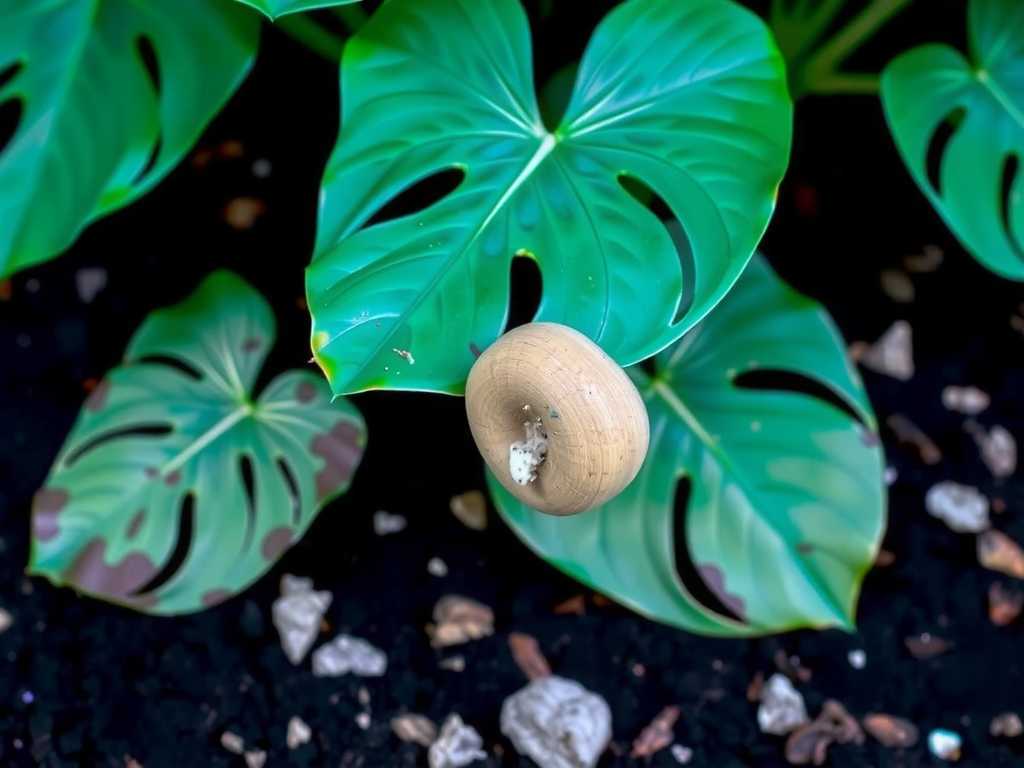
Mold is a type of fungus that reproduces via tiny, airborne spores. These spores are ever-present in our environments, waiting for the right conditions to germinate and grow. The mold you see on the soil surface is the visible, fruiting part of this fungus. In most cases, especially the common white, fluffy variety (often Saprolegnia or similar saprophytic fungi), it feeds on decaying organic matter in the potting mix—not on the living roots of your Monstera. While unsightly and potentially problematic if left unchecked, its presence is primarily a strong indicator of environmental conditions that need adjustment.
Primary Causes of Mold Growth in Monstera Pots
Addressing mold effectively requires tackling its root cause. Simply scraping it off will lead to recurrence if the underlying issues persist.
1. Excessive Moisture and Overwatering This is the most significant contributor. Consistently wet soil creates a perfect, low-oxygen environment for mold spores to thrive. Monsteras prefer their soil to dry out partially between waterings. A pot that remains soggy due to frequent watering, insufficient drainage, or a pot that is too large for the plant's root system will almost certainly lead to mold.
2. Poor Air Circulation Stagnant, still air around your plant allows humidity to build up on the soil surface and prevents moisture from evaporating efficiently. Placing your Monstera in a corner with little airflow or among a densely packed group of plants can exacerbate moisture issues.
3. Low Light Conditions In low light, your Monstera's metabolism slows, meaning it uses water much more slowly. Soil that would dry appropriately in bright, indirect light will stay moist for far too long in a dim spot, inviting mold growth.
4. Organic Debris on Soil Surface Decaying leaves, fallen petals, or other organic material left on top of the soil provide a direct food source for mold fungi, encouraging their colonization.
5. High-Humidity Environments While Monsteras appreciate moderate humidity, excessively high ambient humidity (common in terrariums or certain rooms) can slow soil surface evaporation, especially when combined with other factors like low light.
How to Safely Remove Mold from Monstera Soil
Follow these steps to eliminate existing mold and create a healthier environment.
Step 1: Isolate and Assess Gently move your Monstera away from other plants to prevent potential spore spread. Carefully assess the extent of the mold and, more importantly, check your plant's health. Look for yellowing leaves, a sign of overwatering, and check the stem base for any signs of rot.
Step 2: Physically Remove the Mold Wearing gloves, use a spoon, fork, or a small garden trowel to gently scrape off the top 1-2 inches of affected soil. Dispose of it in a sealed bag outside your home. Do not compost it.
Step 3: Treat the Remaining Soil Surface To address residual spores, you have several safe, natural options:
- Cinnamon: A natural antifungal. Sprinkle a light layer of ground cinnamon over the exposed soil surface.
- Hydrogen Peroxide Solution: Mix one part 3% hydrogen peroxide with four parts water. Water the soil lightly with this solution or spray the surface. It will fizz as it kills mold and aerates the soil.
- Neem Oil Solution: Dilute neem oil as per instructions and spray the soil surface.
Step 4: Address the Root Cause (Critical) This is the most important step to prevent recurrence.
- Check Your Watering Habits: Allow the top 1-2 inches of soil to dry out completely before watering again. Always check with your finger.
- Improve Drainage: Ensure your pot has ample drainage holes. Consider repotting into a well-draining aroid mix, incorporating ingredients like perlite, orchid bark, and coconut coir to increase aeration.
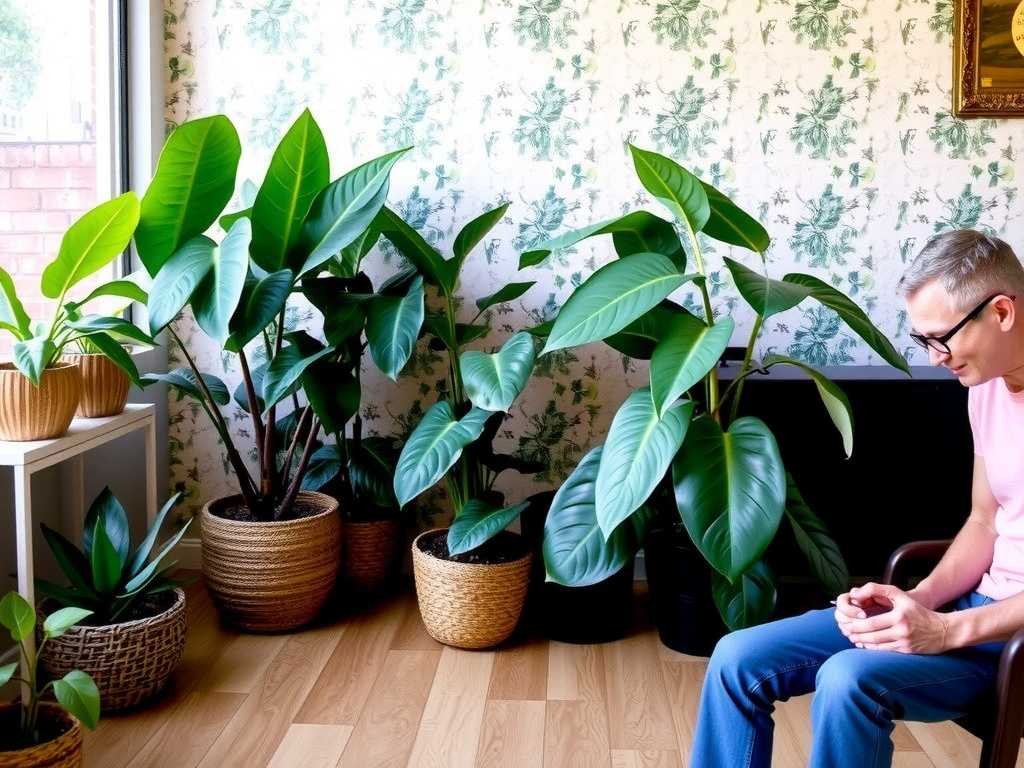
- Increase Airflow: Place your plant where it gets gentle air circulation. A small oscillating fan on low, placed at a distance, can work wonders.
- Provide Adequate Light: Move your Monstera to a spot with bright, indirect light to boost its growth and soil drying cycle.
Preventing Future Mold Outbreaks
Prevention is always simpler than cure. Integrate these practices into your regular Monstera care routine to keep mold at bay.
1. Master the Art of Watering Water deeply but infrequently. When you do water, do so thoroughly until water runs freely from the drainage holes, then empty the saucer after 15 minutes. Never let the plant sit in standing water. As noted by horticulturist Dr. Linda Chalker-Scott, "More plants are killed by overwatering than by any other single cause."
2. Optimize Your Potting Mix Do not use dense, moisture-retentive garden soil or standard potting mix alone. Create or purchase a chunky, airy mix specifically formulated for aroids. A 2021 study in the Journal of Plant Nutrition and Soil Science highlighted that soil amendments like perlite significantly improve porosity and reduce waterlogging issues.
3. Ensure Proper Pot Selection Choose pots with multiple drainage holes. Terracotta pots are excellent for Monsteras as they are porous, allowing soil to dry more evenly from the sides.
4. Maintain Good Hygiene Regularly remove any dead leaves or debris from the soil surface and the plant itself. Wipe down the leaves occasionally to promote efficient photosynthesis and transpiration.
5. Use a Top Dressing Applying a thin layer of inorganic material like aquarium gravel, small pebbles, or horticultural sand on top of the soil can create a physical barrier that discourages mold growth by separating the moist soil from the air.
FAQs About Monstera and Soil Mold
Is the mold on my Monstera's soil dangerous to me or my plant? The common white mold is generally not harmful to humans in small amounts, though those with respiratory sensitivities should avoid disturbing it. For the plant, the mold itself is often a surface issue, but the conditions causing it (overwatering) can lead to severe root rot, which is dangerous.
Should I repot my Monstera immediately if I see mold? Not necessarily. If the mold is superficial and the plant appears healthy, you can follow the removal and treatment steps above. However, if you suspect chronic overwatering, the soil smells foul, or the plant shows signs of decline (wilting, yellowing leaves that don't recover), a full repot into fresh, dry, well-draining soil is recommended to inspect and treat the roots.
Can I use vinegar or baking soda to kill the mold? It is not recommended. Vinegar can drastically alter soil pH and harm beneficial microbes, while baking soda can lead to a harmful sodium buildup in the soil. Stick to milder, plant-safe options like cinnamon, diluted hydrogen peroxide, or neem oil.
Spotting mold on your Monstera's soil is a valuable early warning sign from your plant. It signals an imbalance in its care routine, most often related to moisture and airflow. By responding promptly—removing the mold, treating the soil, and crucially, correcting the environmental conditions that caused it—you turn a moment of concern into an opportunity for better plant care. With adjusted watering habits, an appropriate potting mix, and a suitable location, your Monstera will not only be mold-free but will likely grow more vigorously, rewarding you with the lush, split-leaf foliage that makes this plant a favorite.
发表评论