 admin
admin Monstera Mold on Leaves: Your Complete Guide to Fungal Growth Treatment
You've lovingly nurtured your Monstera deliciosa, watching its iconic split leaves unfurl. But now, you're staring at a worrying sight: unsightly white, gray, or black fuzzy spots on those beautiful leaves. Mold on your Monstera is more than just an aesthetic issue; it's a sign that your plant is stressed and under attack. Left untreated, this fungal growth can weaken your plant, stunt its growth, and even lead to leaf loss. But don't panic. This comprehensive guide will walk you through exactly how to identify, treat, and, most importantly, prevent mold on your Monstera leaves, restoring your plant to full health.
Understanding Mold and Fungus on Monstera Plants
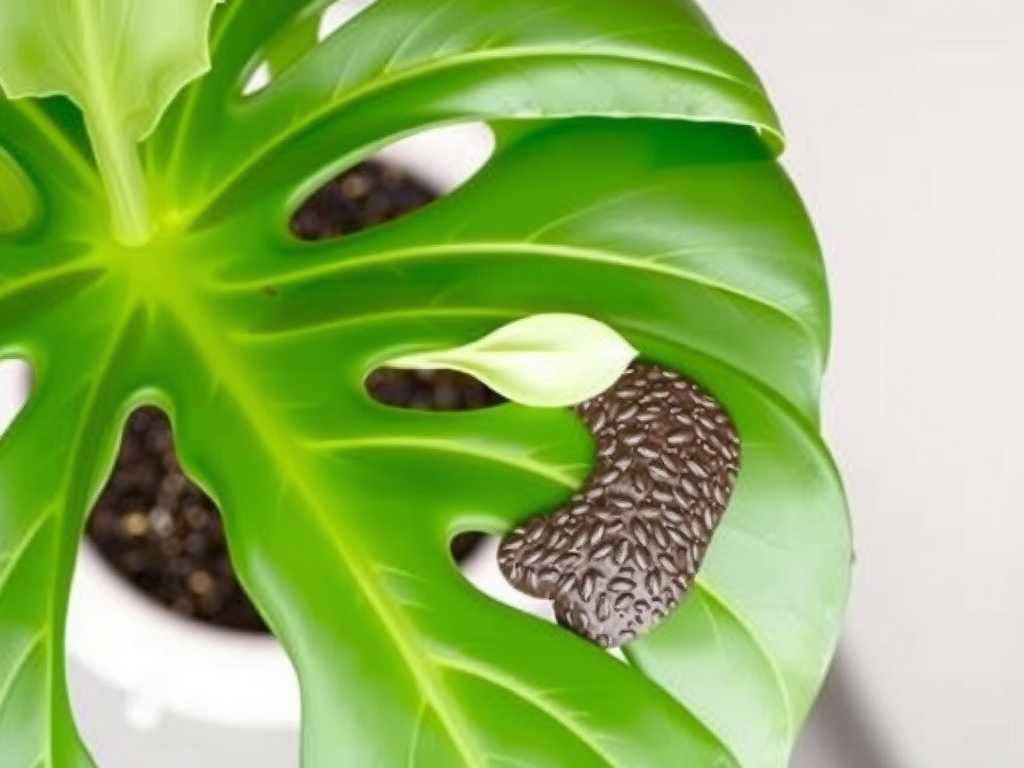
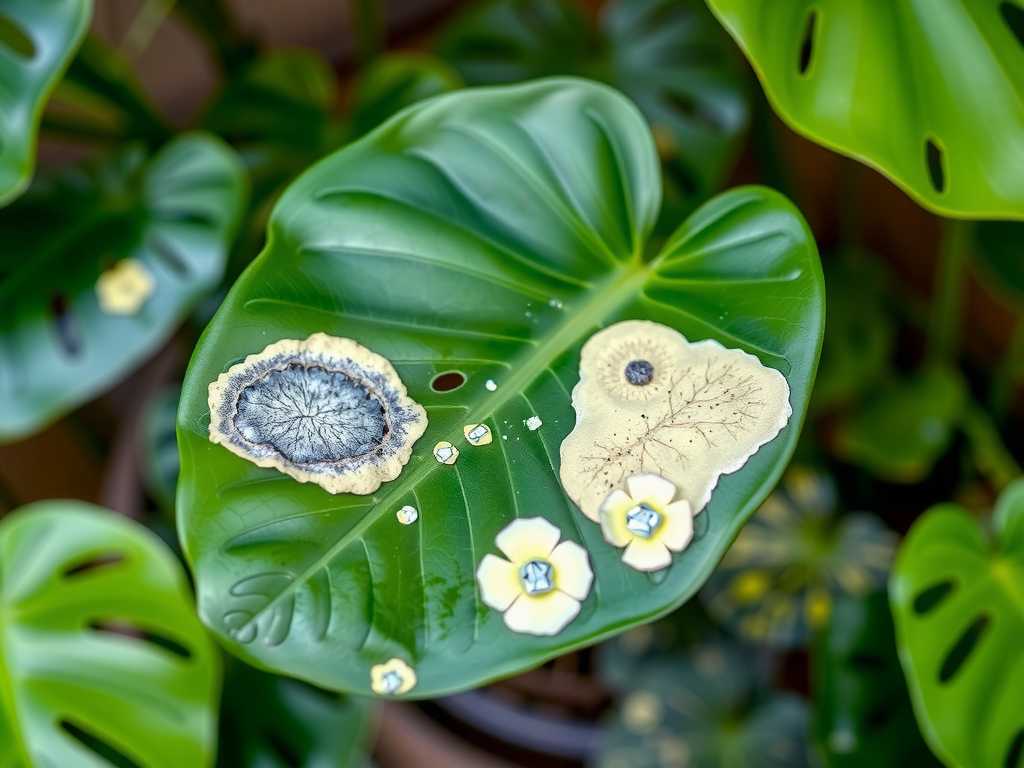
First, it's crucial to identify what you're dealing with. The term "mold" often describes a superficial fungal growth, usually powdery or fuzzy, that lives on the surface of leaves, often feeding on honeydew from pests or organic debris. Common types include sooty mold (a black, soot-like coating) and white or gray surface molds.
True fungal infections, however, penetrate the plant tissue. These include leaf spot diseases (causing brown or black spots with yellow halos) and powdery mildew (a white, powdery coating). Both mold and fungal diseases thrive in similar conditions: excess moisture, poor air circulation, and compromised plant health. Correct identification is the first step toward effective treatment.
Primary Causes: Why Is There Mold on My Monstera Leaves?
Fungal growth doesn't appear without reason. It's a symptom of environmental imbalance.
- Overwatering and Poor Drainage: This is the number one culprit. Consistently soggy soil creates a perfect habitat for root rot fungi, which weakens the plant and makes it susceptible to aerial mold. A pot without drainage holes is a guaranteed problem.
- High Humidity with Stagnant Air: While Monsteras enjoy humidity, stagnant, moist air around the foliage encourages spores to germinate and thrive. This is especially common in corners or crowded plant shelves.
- Lack of Light: In low-light conditions, soil stays wet longer, and the plant's natural defenses are lower. A weakened Monstera is an easy target for pathogens.
- Pest Infestations: Insects like aphids, scale, and mealybugs excrete a sticky substance called honeydew. Sooty mold fungi readily colonize this sugary residue, covering leaves in a black film that blocks sunlight.
- Contaminated Tools or Soil: Using unsterilized pruning shears or reusing old, infected potting mix can introduce fungi to your plant.
Step-by-Step Treatment for Monstera Leaf Mold
Once you've spotted mold, immediate and consistent action is required.
Isolate and Inspect Immediately move the affected Monstera away from your other plants to prevent the spread of spores. Conduct a thorough inspection of both the tops and undersides of all leaves, the stems, and the soil surface.
Remove Severely Affected Leaves For leaves that are heavily coated or more than 50% damaged by fungal spots, the best course is removal. As horticulturist Dr. Linda Chalker-Scott emphasizes, "Sanitation is the first line of defense in plant disease management." Use sharp, sterilized scissors or pruning shears (wipe with isopropyl alcohol between cuts) to cut the leaf stem near the main vine. Dispose of these leaves in the trash, not the compost.
Clean the Remaining Foliage For leaves with mild surface mold (like sooty mold), careful cleaning can restore them.
- Prepare a mild solution of 1 part 3% hydrogen peroxide to 4 parts water, or use a teaspoon of mild liquid soap (like castile soap) in a liter of lukewarm water.
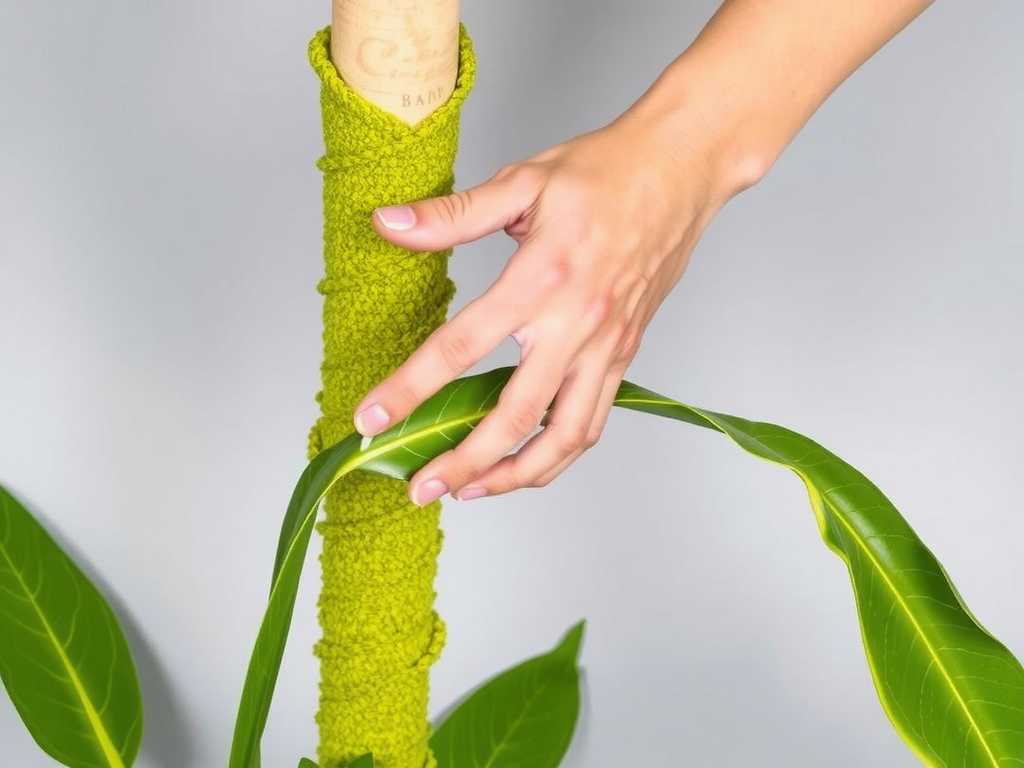
- Using a soft cloth or cotton pad, gently wipe the surface of each leaf, supporting it from underneath with your hand. Pay special attention to the undersides.
- Rinse the leaves with clean water or gently wipe them with a water-dampened cloth to remove any residue. This physical removal is highly effective for non-invasive molds.
Address the Root Cause: Environmental Correction Treatment will fail if you don't fix the underlying issues.
- Adjust Watering: Let the top 2-3 inches of soil dry out completely before watering again. Always empty the drainage saucer after 30 minutes.
- Increase Airflow: Place your Monstera where there is gentle air movement. A small oscillating fan on low, placed at a distance, can work wonders without creating a draft.
- Optimize Light: Ensure your plant receives bright, indirect light. Consider a grow light if natural light is insufficient.
- Check for Pests: If honeydew is present, you have pests. Treat the insect infestation with horticultural oil or insecticidal soap, which will also help loosen sooty mold.
Apply a Fungicidal Treatment For persistent or invasive fungal issues, a fungicide may be necessary.
- Natural Option: Neem oil is a popular natural fungicide and insecticide. Mix as directed and spray thoroughly on all leaf surfaces every 7-14 days until the issue is resolved.
- Commercial Fungicides: Products containing copper or sulfur can be effective for fungal leaf spots. Always follow the label instructions precisely. For houseplants, a ready-to-use spray is often most convenient.
Prevention: Keeping Your Monstera Mold-Free Long-Term
Prevention is always easier than cure. Integrate these practices into your regular plant care routine.
Perfect Your Watering Technique Watering is an art. Use your finger or a moisture meter to check soil moisture. Consider bottom-watering by placing the pot in a tray of water for 20-30 minutes, allowing the soil to soak up what it needs, which keeps the top layer drier and less hospitable to mold.
Ensure Proper Environmental Conditions Aim for humidity levels between 40-60%. Use a humidifier or pebble tray, but pair it with good airflow. Prune your Monstera occasionally to prevent dense, overcrowded growth that traps moisture.
Practice Regular Maintenance and Inspection Wipe down your Monstera's leaves with a damp cloth every few weeks to remove dust and potential spores. This also helps the plant breathe and photosynthesize efficiently. Regularly check for early signs of pests or disease during this cleaning.
Use Appropriate Soil and Pots Always plant your Monstera in a well-draining, chunky aroid mix containing ingredients like perlite, orchid bark, and coco coir. Ensure every pot has at least one drainage hole. Terracotta pots are excellent as they wick away excess moisture from the soil.
Frequently Asked Questions
Can I use vinegar to treat mold on my Monstera? It is not recommended. Vinegar is acidic and can easily burn or damage delicate plant leaves, causing more harm than the mold itself. Safer alternatives like diluted hydrogen peroxide or mild soap solutions are much more effective and less risky.
Should I repot my Monstera if I see mold on the leaves? If the mold is only on the leaves and the soil seems healthy and well-draining, repotting may not be necessary. Focus on correcting the air and moisture environment. However, if you suspect root rot (foul smell, mushy stems, constantly wet soil) or if the mold is also growing on the soil surface due to poor drainage, then repotting into fresh, sterile, well-draining mix is a critical step.
Will the damaged leaves recover, or should I cut them off? Leaves physically damaged by fungal spots or scarred by mold will not heal or regain their green color in the affected areas. The treatment stops the spread. If the damage is minor and the leaf is still performing photosynthesis, you can leave it. If it is severe, unsightly, or covered in sooty mold that you cannot clean, it is best to prune it to allow the plant to direct energy into new, healthy growth.
Dealing with mold on your Monstera leaves can be concerning, but with a systematic approach, it is a completely solvable problem. Success lies in moving beyond simply treating the visible symptoms and instead committing to the holistic health of your plant. By mastering the balance of water, light, and air, you create an environment where your Monstera can thrive with vigor, naturally resisting fungal issues. Consistent observation and proactive care are your most powerful tools, ensuring those magnificent, split leaves remain lush, clean, and vibrant for years to come.
发表评论