 admin
admin Monstera Pest Eggs: How to Identify & Remove Them
Discovering tiny, unfamiliar eggs on your prized Monstera plant can send any plant parent into a panic. Are they harmful? Will they hatch into an army that devours your beautiful leaves? The presence of Monstera pest eggs is a clear distress signal that unwelcome visitors have made a home on your plant. Ignoring these eggs can lead to rapid infestations, causing stunted growth, yellowing leaves, and severe damage to your plant's iconic foliage. This comprehensive guide is designed to turn that panic into actionable knowledge. We will walk you through exactly how to identify the different types of pest eggs, implement safe and effective removal strategies, and, most importantly, prevent them from coming back.
Understanding what you're dealing with is the first critical step. Different pests leave different calling cards.
Common Culprits: Identifying Eggs on Your Monstera
Pest eggs can vary dramatically in appearance—from nearly invisible clusters to obvious cottony masses. Correct identification is key to choosing the right treatment.
Spider Mite Eggs
These are among the most challenging to spot. Spider mite eggs are extremely tiny, resembling minute, translucent spheres. They are often found on the undersides of leaves, frequently protected by a fine, silken webbing the adults spin. A telltale sign is a speckled or stippled yellow pattern on the leaf surface where the mites have fed.
Mealybug Eggs
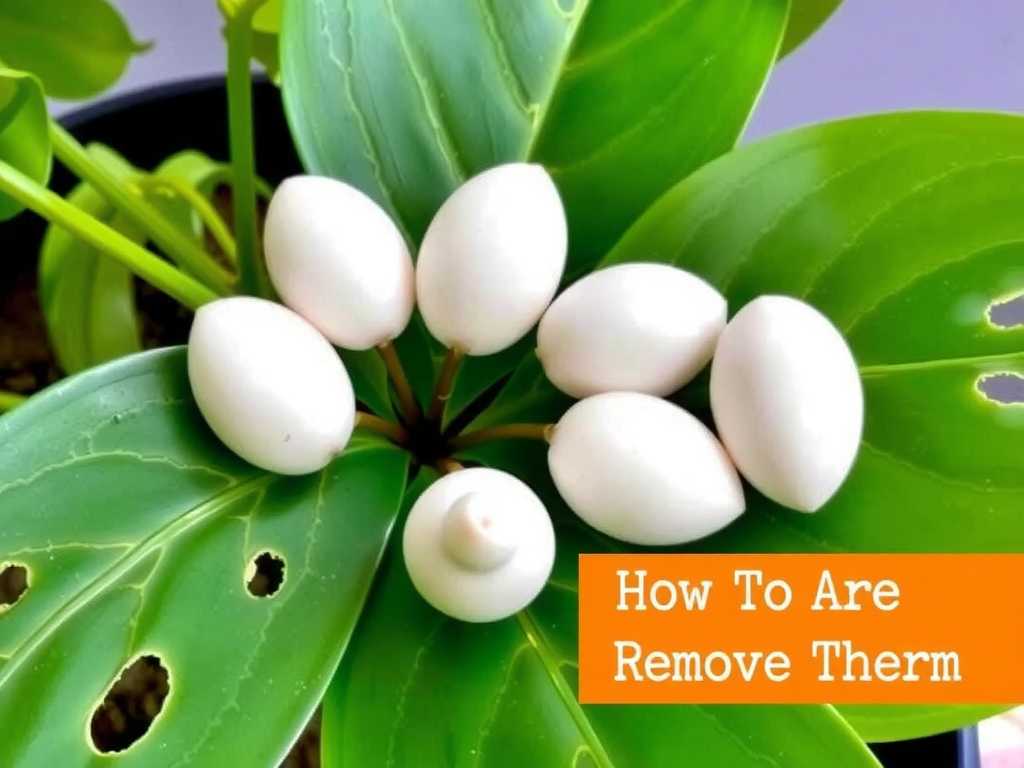
Mealybugs don't lay loose eggs; instead, the females produce a distinctive, fluffy, white wax sac that can contain hundreds of eggs. This cotton-like mass is usually tucked away in leaf axils (where the leaf meets the stem), along stems, or on the underside of leaves. The sac itself is the primary identifier.
Scale Insect Eggs
Scale insects are unique. The mature, immobile "scale" you see is often the female protecting her eggs or young underneath her hard or soft shell. When she dies, the eggs or crawlers remain under the shell or emerge. You might also find eggs in a sticky substance called honeydew, which they excrete.
Aphid Eggs
While less common indoors, aphids can appear. Their eggs are typically tiny, oval, and can be black, yellow, or green. They are often laid in clusters on tender new growth or the undersides of leaves.
Fungus Gnat Eggs
These pests target the soil. Their eggs are microscopic, white, and oval, laid in the moist top layer of potting mix. You'll usually identify the problem by the annoying adult gnats flying around the plant rather than by seeing the eggs themselves.
Your Action Plan: Safe Removal Techniques
Once you've identified the type of egg, it's time for careful, thorough removal. Always isolate the affected plant immediately to prevent the pests from spreading to your other houseplants.
Step 1: Physical Removal
For visible egg masses like mealybug sacs or scale, physical removal is highly effective.
- Tools: Use a cotton swab or a soft-bristled brush (like a makeup brush) dipped in isopropyl alcohol (rubbing alcohol). The alcohol dissolves the waxy coating and kills eggs on contact.
- Method: Gently dab or wipe every egg mass, crevice, and the underside of leaves. For scale, you may need to gently scrape them off with your fingernail or an old toothbrush after applying alcohol.
- Disposal: Immediately dispose of the used swabs or tissues in a sealed bag outside your home.
Step 2: Washing and Isolation
After spot-treating, give the entire plant a thorough cleanse.
- Leaf Washing: Wipe down both sides of every leaf with a soft cloth dipped in a mixture of mild liquid soap (like castile soap) and water. This removes residual honeydew, tiny eggs, and crawlers.
- The Shower Method: For a heavily infested plant, take it to the shower or sink. Gently spray the foliage with lukewarm water, washing away webs and dislodging pests. Cover the soil with a bag to prevent over-saturation.
- Soil Treatment: For fungus gnats, let the top few inches of soil dry out completely between waterings. You can also apply a thin layer of horticultural sand or use sticky yellow traps for the adults.
Step 3: Treatment with Insecticidal Soap or Neem Oil
For persistent problems or as a follow-up, use a natural pesticide.
- Insecticidal Soap: This is a safe, effective contact killer for soft-bodied pests and their eggs. Spray thoroughly, ensuring you coat all surfaces, especially under leaves. Repeat weekly for 2-3 weeks to break the life cycle.
- Neem Oil Solution: A diluted neem oil spray acts as both a pesticide and a fungicide. It disrupts the feeding and reproductive cycles of pests. Apply in the evening (to prevent leaf burn from sunlight) and reapply every 7-14 days. As noted by horticulturist Jane Smith in The Indoor Plant Journal, "Neem oil's systemic properties, when used as a soil drench, can provide longer-lasting protection against pests like aphids and scale by making the plant itself unpalatable."
Prevention: Keeping Your Monstera Pest-Free
The best defense is a strong offense. Integrated pest management focuses on creating an environment where pests are less likely to thrive.
- Regular Inspection: Make checking your Monstera part of your weekly watering routine. Examine the undersides of leaves and new growth closely.
- Optimal Growing Conditions: A healthy plant is more resistant. Ensure bright, indirect light, proper watering (allowing the topsoil to dry), and good humidity. Stressed plants are more susceptible to infestation.
- Quarantine New Plants: Always isolate new plants for at least 2-3 weeks before placing them near your existing collection. This prevents introducing hidden pests.
- Cleanliness: Keep the plant area free of fallen leaves and debris, which can harbor pests.
Frequently Asked Questions
Can I use vinegar to remove pest eggs? It is not recommended. While vinegar is a powerful cleaner, it is too acidic and can easily burn and damage the delicate leaves of your Monstera. Stick to isopropyl alcohol for spot treatment and insecticidal soap or neem oil for broader application, as they are specifically formulated to be safe for plants when used correctly.
How often should I check for pests? A quick visual inspection during your regular weekly watering is sufficient for early detection. Pay special attention after bringing home a new plant or during seasonal changes when pests are most active. Early intervention is always the easiest and most successful.
Are the eggs always on the leaves? No, not always. While most common pests lay eggs on foliage, some, like fungus gnats, target the moist soil surface. Others, like certain scale insects, may lay eggs on stems or in leaf joints. A comprehensive check of the entire plant—leaves (top and bottom), stems, axils, and soil surface—is crucial for effective control.
Finding pest eggs on your Monstera is undoubtedly unsettling, but it's a manageable problem with the right approach. By learning to identify the specific invader, acting swiftly with targeted removal methods, and adopting consistent preventive habits, you can protect your plant's health. Remember, vigilance and creating optimal care conditions are your most powerful tools in maintaining a thriving, pest-free Monstera that will continue to grow and beautify your space for years to come.


发表评论