 admin
admin Monstera Propagation: How to Propagate from Cuttings (Step-by-Step)
You’ve fallen in love with the iconic, holey leaves of your Monstera deliciosa. Now, you’re dreaming of more—a fuller plant, gifts for friends, or a whole indoor jungle. But the idea of cutting your prized plant feels risky. What if it dies? What if you do it wrong and end up with a rotting stem instead of a new plant? These fears stop many plant lovers in their tracks.
The truth is, propagating Monstera from cuttings is not only simple but incredibly rewarding. This comprehensive guide will walk you through every step, turning your apprehension into confidence. By understanding the precise methods and the science behind them, you can successfully multiply your Monstera and enjoy the satisfaction of growing your own.

Why Propagate Your Monstera Plant?
Propagation is more than just making new plants. It’s a key practice for maintaining the health and beauty of your original Monstera. Pruning back leggy stems encourages bushier, more vigorous growth. It allows you to share a piece of your plant with loved ones, creating a meaningful, living gift. From a sustainability perspective, it’s the ultimate in plant parenting—creating new life from what you already have.
Understanding Monstera Anatomy: The Key to Success
Before you make a single cut, you must know what you’re looking at. A Monstera stem has critical points called nodes. These are the slightly raised, ring-like bumps where leaves, aerial roots, and new branches emerge. The internode is the bare stem section between nodes. For successful propagation, a cutting must include at least one node. This is non-negotiable. The node contains the meristematic tissue—the growth cells—necessary to produce new roots. A leaf alone, without a node, will sadly never root.
Essential Tools and Materials You’ll Need
Gathering the right supplies beforehand sets you up for success. You will need:
- Sharp, Clean Pruners or Scissors: Sterilize with rubbing alcohol to prevent introducing disease.
- Rooting Medium Options: Fresh water (filtered is best), a well-draining potting mix (like an aroid blend with perlite and orchid bark), or damp sphagnum moss.
- Containers: Clear glass jars for water propagation, or small pots with drainage holes for soil.
- Supportive Items: A chopstick or small stake, and soft ties if needed.
Step-by-Step Guide to Propagating Monstera Cuttings
Let’s transform a piece of your Monstera into an independent plant. Follow these detailed instructions.
Step 1: Selecting and Taking the Perfect Cutting
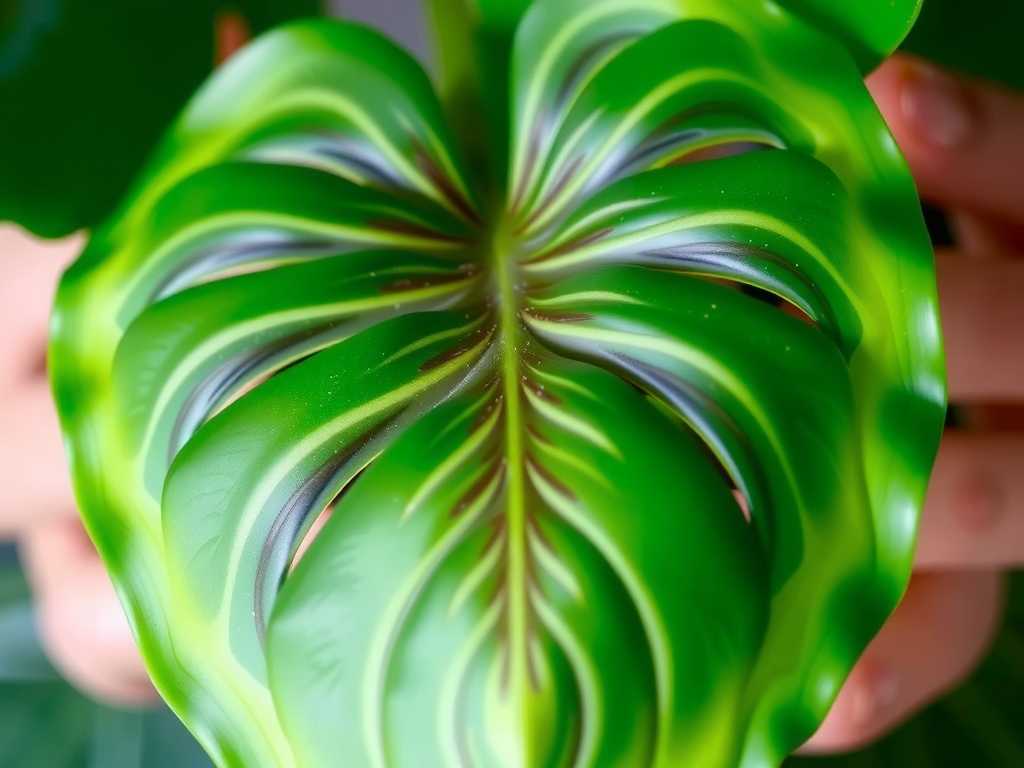
Identify a healthy stem with at least one leaf and one visible node. An ideal cutting will also have a mature aerial root, which gives your new plant a significant head start. Using your sterilized tool, make a clean cut about a quarter-inch below the chosen node. Ensure your cutting is 6-12 inches long for the best results.
Step 2: Choosing Your Propagation Method
You have three excellent choices for rooting your Monstera cutting. Each has its merits.
Water Propagation This is the most popular method for a reason: it’s simple and lets you watch the roots develop. Place your cutting in a jar so the node is submerged, but the leaf stem is not. Use fresh, room-temperature water and change it weekly to prevent bacterial growth. Keep it in bright, indirect light. You should see new, white roots emerging from the node in 2-4 weeks. According to horticulturist Jane Smith, “Water propagation provides excellent visual feedback for new plant parents, reducing anxiety and building confidence as they see progress.”
Soil Propagation This method skips the transplant step later, reducing root shock. Dip the cut end of your stem in rooting hormone powder (optional but beneficial). Plant the cutting in a small pot with moist, airy potting mix, ensuring the node is buried. Place a clear plastic bag loosely over the pot to create a humid mini-greenhouse. Keep the soil lightly moist but not soggy. Roots will establish in about the same timeframe, though you can’t see them. Gently tug on the cutting after a few weeks; resistance means roots have formed.
Sphagnum Moss Propagation Moss offers a perfect balance of moisture and air. Soak sphagnum moss, wring it out thoroughly, and wrap it around the node of your cutting. Place the bundle in a clear container or bag to retain humidity. Moss provides a gentle, airy environment that encourages robust root growth and is easy to remove when it’s time to pot.
Step 3: Caring for Your New Monstera Cuttings
Patience is your greatest tool. Whether in water or soil, place your cuttings in a warm spot with plenty of bright, indirect light. Avoid direct sun, which can scorch them. For soil and moss methods, maintain consistent but light moisture. The goal is a humid environment to prevent the cutting from desiccating before it roots.
Step 4: Potting Your Rooted Monstera Cutting
Once water roots are 2-3 inches long, your cutting is ready for soil. Gently transfer it to a small pot with a chunky, well-draining aroid mix. Water thoroughly to settle the soil around the new roots. Continue to provide high humidity for the first week or two as the roots adapt to their new medium. This transition is a critical step in how to grow a new Monstera plant from your initial effort.
Troubleshooting Common Propagation Problems
Even with care, issues can arise. Here’s how to handle them.
- Yellowing Leaves: This is often normal as the cutting redirects energy to root growth. Remove only fully yellowed leaves.
- Rotting Stem: This indicates excessive moisture or bacteria. If in water, change it more frequently. If in soil/moss, the medium is too wet. Cut above the rot, let the wound callous for an hour, and restart in fresh, clean medium.
- No Root Growth: Ensure the node is in contact with the rooting medium. Provide more warmth (a heating mat can help) and light. Sometimes, it simply needs more time.
How Long Does Monstera Propagation Take?
Timelines vary based on environment and season. Generally, you can expect to see the first root nubs in 2-4 weeks. A robust root system suitable for potting typically develops in 1-2 months. The warmer growing season (spring/summer) yields faster results than winter.
Frequently Asked Questions
Can I propagate a Monstera leaf without a node? No, unfortunately. A leaf cutting alone lacks the necessary meristematic cells to generate new roots and stems. It may stay alive in water for months but will eventually decay without ever becoming a plant.
What is the success rate of propagating Monstera? When you follow the correct steps—using a node, clean tools, and appropriate care—the success rate for Monstera deliciosa propagation is very high, often above 90%. The most common cause of failure is stem rot from overwatering or unclean conditions.
Why are the roots growing but no new leaf? This is completely normal. The plant’s priority is to establish a strong root system to support future growth. Once the roots are sufficiently developed in their pot, the plant will shift energy to producing a new leaf from the node. This first new leaf is a thrilling sign of true independence.
Propagating your Monstera is a journey that deepens your connection to your plants. It demystifies their growth and empowers you to be an active creator in your green space. By selecting a healthy cutting, providing the right environment, and practicing patience, you will unlock the endless potential of your Monstera deliciosa. Start with one cut, and soon you’ll have the skills and confidence to fill your home with these stunning, tropical beauties.

发表评论