 admin
admin Monstera Aerial Root Propagation: Can You Grow New Plants?
Have you ever looked at your thriving Monstera deliciosa, admired its magnificent fenestrated leaves, and then noticed those wild, brownish tentacles reaching out from its stem? Those are aerial roots, and they often leave plant parents scratching their heads. Many wonder if these unique structures are a sign of a problem or, more intriguingly, if they hold the secret to multiplying their beloved plant. The most pressing question is: can you grow new Monstera plants from aerial roots? The answer is a fascinating and nuanced one. While you cannot simply plant an aerial root alone and expect a new Monstera to sprout, these roots are absolutely key to a highly successful propagation method. This guide will demystify the process, turning those curious aerial roots into your greatest asset for creating lush, new Monsteras.
Understanding the Aerial Root: It’s Not What You Think
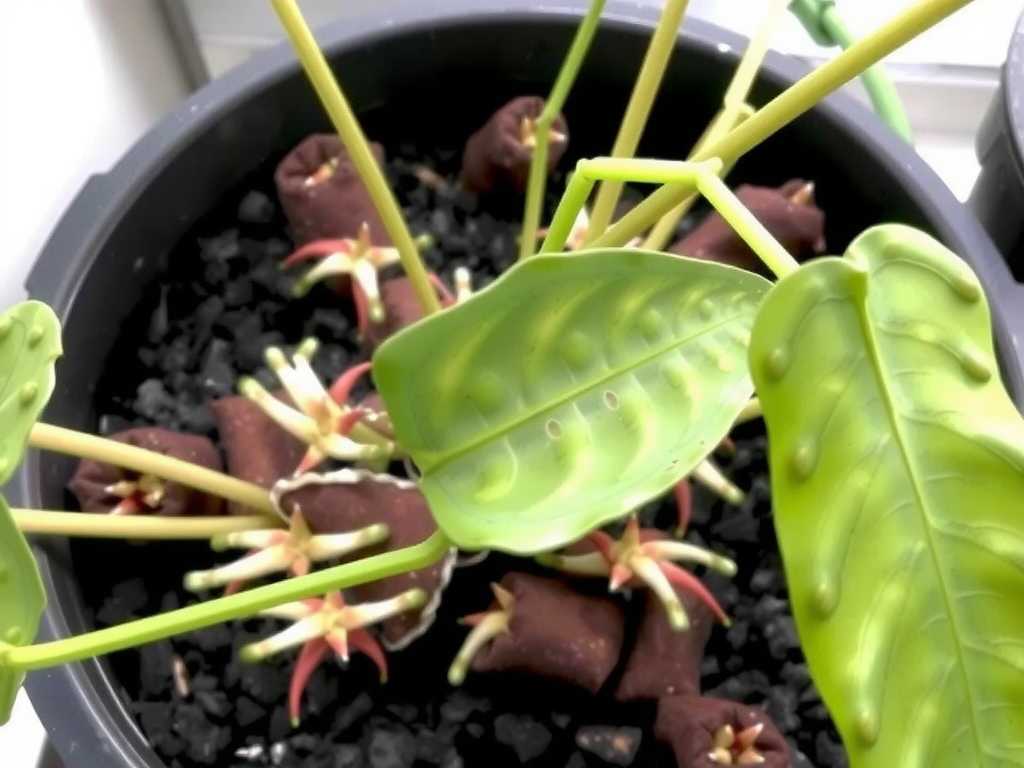
Before we dive into propagation, it's crucial to understand what an aerial root is and isn't. Unlike the soil roots that anchor your plant and absorb water and nutrients, aerial roots serve different purposes in the Monstera's natural habitat.
In the wild, Monsteras are climbing hemiepiphytes. They use their strong aerial roots to grasp onto tree trunks, anchoring themselves as they climb towards the forest canopy in search of sunlight. These roots can also absorb moisture and nutrients from the humid air, rain, and debris collected on the bark of their host trees. At home, without a giant tree to climb, these roots often dangle freely, searching for support or moisture. They are a sign of a healthy, mature plant following its natural instincts, not a defect.
The Golden Rule: The Node is Non-Negotiable
This is the single most important concept in Monstera aerial root propagation. An aerial root by itself lacks the necessary cellular machinery to generate a new plant. The magic lies in the node.
A node is a swollen, ring-like bump on the vine from which leaves, aerial roots, and secondary stems emerge. It contains meristematic tissue – essentially, the plant's growth cells. For any propagation attempt to be successful, whether in water, moss, or soil, your cutting must include at least one node. An aerial root attached to a node is a tremendous advantage, as it gives your new cutting a head start in developing a robust root system.
How to Propagate Monstera Using Aerial Roots: A Step-by-Step Guide
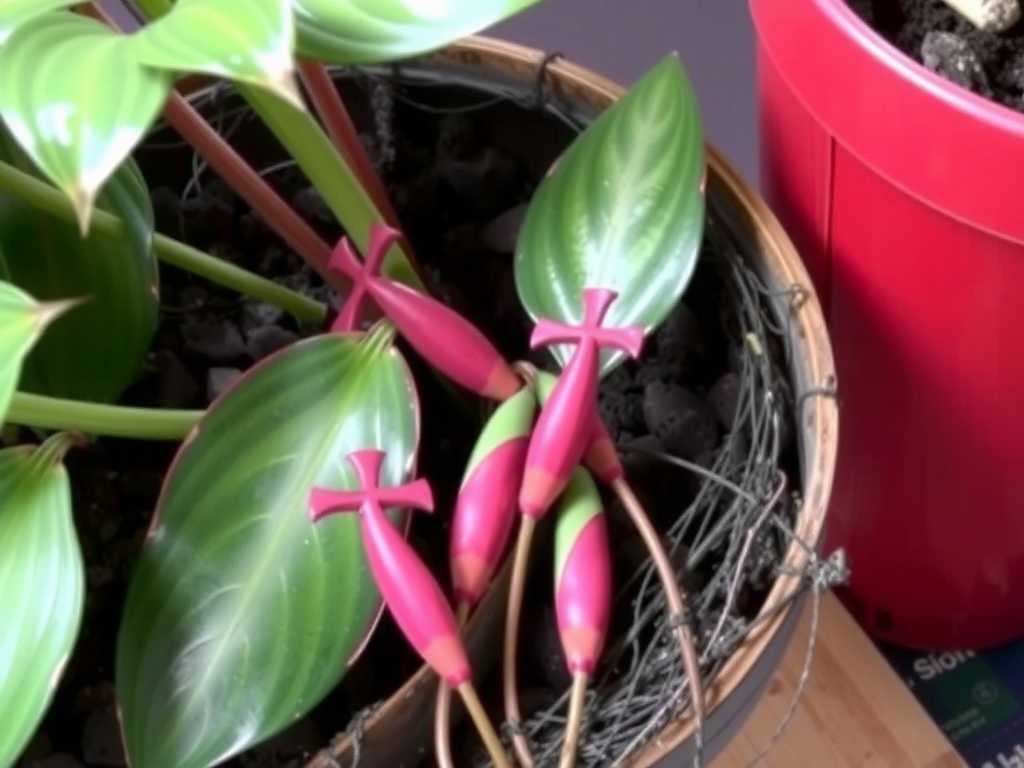
Here, we leverage the aerial root to accelerate the propagation process. This method significantly increases your success rate compared to using a leafless node or a cutting without an aerial root.
Step 1: Select and Prepare Your Cutting
Choose a healthy stem section that includes:
- At least one leaf: This provides energy through photosynthesis.
- A mature, plump aerial root: Ideally one that is several inches long. A healthy aerial root is firm, not mushy or completely dried out.
- A full node: Ensure the node is included on your cutting segment.
Using clean, sharp pruning shears (sterilized with rubbing alcohol), make a cut about an inch below the node. This gives you a small stem section to submerge without risking the node itself.
Step 2: Choose Your Propagation Medium
You have several excellent options, each with benefits for encouraging root growth from your aerial root.
- Water Propagation: This is the most popular and beginner-friendly method. Place the cutting in a jar so that the aerial root and node are submerged, but the leaf stays dry and above water. Change the water weekly to prevent bacterial growth. You'll see new, white water roots developing from the aerial root and node within 2-4 weeks.
- Sphagnum Moss Propagation: Favored by many experts for creating stronger roots adapted to soil, this method involves soaking sphagnum moss, wringing it out, and packing it around the node and aerial root in a clear container. The moss retains moisture while providing excellent air circulation.
- Direct Soil Propagation: For those with experience, you can plant the cutting directly into a well-draining aroid mix. Ensure the node and aerial root are buried. This method skips the transplant shock later but requires careful moisture management to avoid rot before new roots establish.
Step 3: Provide Ideal Conditions for Rooting
Place your propagating cutting in a spot with bright, indirect light. Avoid direct sun, which can cause stress. Maintain warm temperatures (65-80°F or 18-27°C) and high humidity, if possible. Using a clear plastic bag or propagation box can create a mini-greenhouse effect, especially for moss or soil methods.
Step 4: Potting Up Your New Monstera Plant
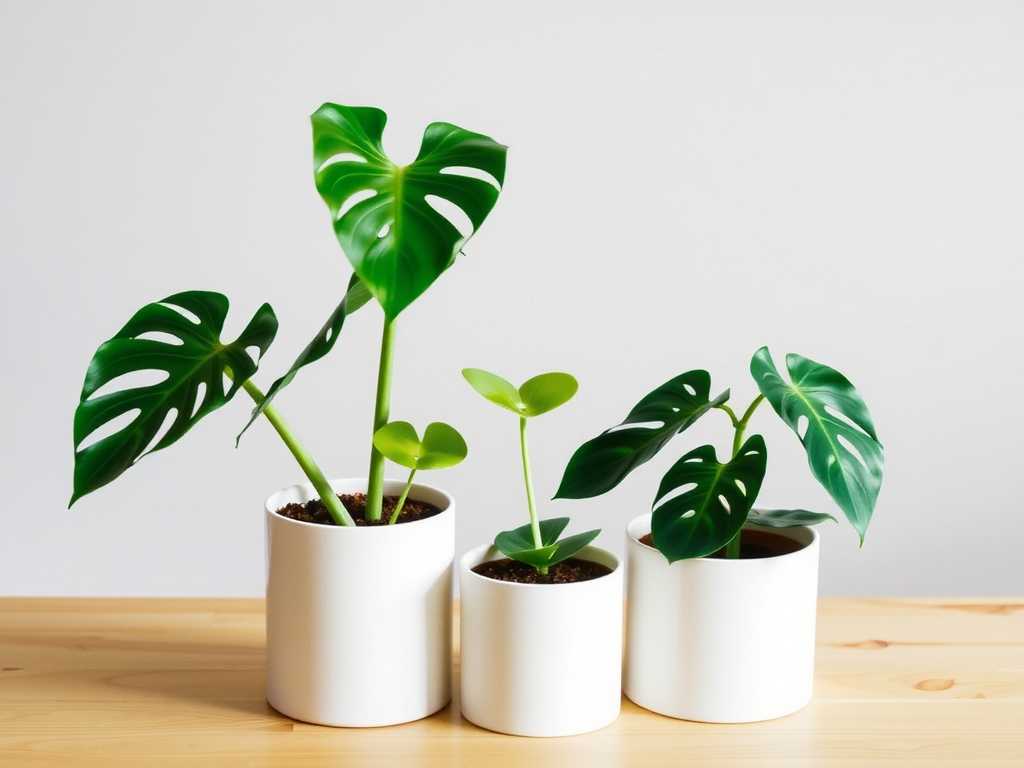
Once the new root system is at least 3-4 inches long (in water or visible through a moss container), it's time to pot. Gently transfer your new plant into a small pot with a chunky, well-draining potting mix. Water thoroughly and keep the soil slightly moist (but not soggy) for the first few weeks as it transitions to life in soil.
Common Pitfalls and How to Avoid Them
Even with a promising aerial root, things can go wrong. Here’s how to ensure your propagation is successful.
- Rot: This is enemy number one, often caused by overly wet conditions or a contaminated tool. Always use clean tools and ensure your medium is moist, not waterlogged. If propagating in water, keep the leaf stem dry.
- Stagnation: If nothing seems to be happening after a month, check that the node is healthy and that the cutting is getting enough warmth and light. Patience is key.
- Transplant Shock: When moving from water to soil, the fragile water roots can struggle. To mitigate this, keep the soil consistently moist for the first two weeks and consider using a diluted rooting hormone during potting.
Expert Insights on Propagation Success
Horticulturists emphasize the efficiency of using cuttings with pre-existing aerial roots. "An aerial root is a pre-adapted organ ready to transition into a soil-absorbing root system," notes Dr. Sylvia Hart, a plant physiologist. "It contains vascular tissues that can quickly activate upon contact with a consistent moisture source, giving the cutting a significant survival advantage." This aligns with studies on plant wound response and adventitious root formation, where tissues near nodes show the highest regenerative capacity.
Caring for Your Newly Propagated Monstera
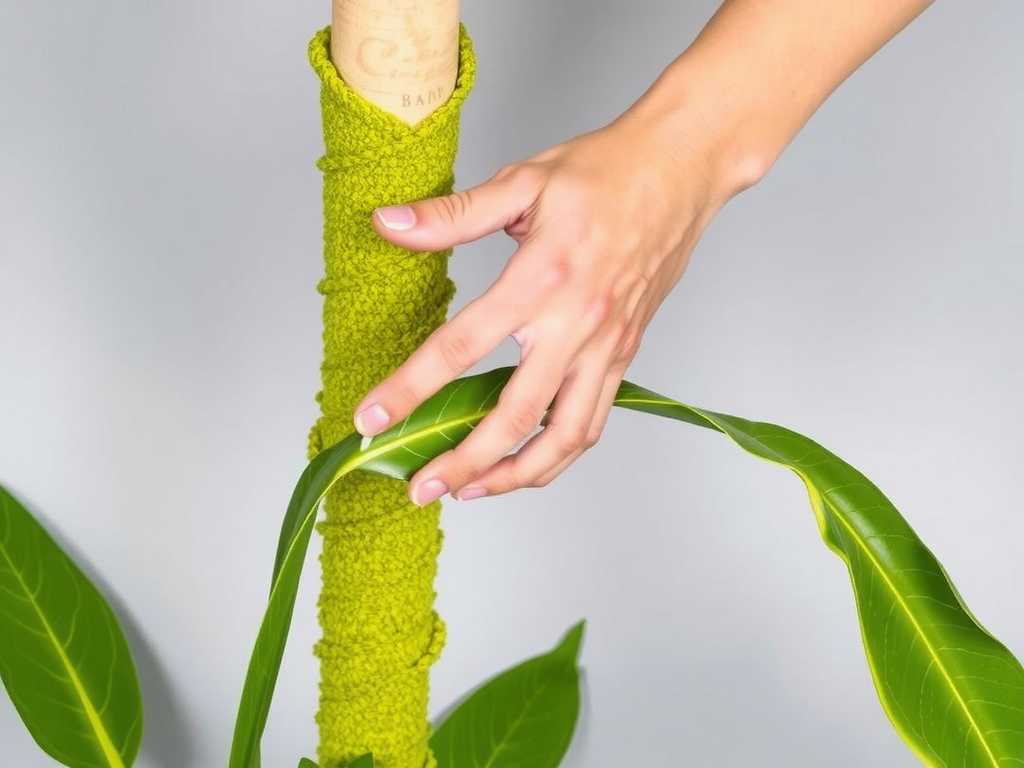
Your baby Monstera needs gentle care. Provide bright, indirect light and water only when the top 1-2 inches of soil are dry. Hold off on fertilizing for at least 3-4 months, or until you see consistent new growth. As it matures, consider providing a moss pole or support. This will allow its future aerial roots to attach and support the large, fenestrated leaves you love, mimicking its natural growth habit and promoting a healthier, more stable plant.
Can I propagate a Monstera with just an aerial root and no leaf? While a segment containing a node and an aerial root has the potential to grow, a leaf significantly increases the chances of success. The leaf produces the energy (via photosynthesis) needed to fuel the development of new roots and growth. A leafless, rooted node cutting (often called a "wet stick") is possible but is a slower, more advanced technique that requires high humidity and patience.
How long does it take for a Monstera cutting with an aerial root to grow new soil roots? In ideal conditions, you can expect to see new white roots developing from the aerial root tip or node within 2 to 4 weeks in water. It may take 4 to 8 weeks for the root system to become robust enough for potting. Propagation in moss or soil may have less visible progress but often results in stronger roots from the start.
Why is my propagated Monstera cutting not growing any new leaves? After potting, your cutting will focus its energy on establishing its root system in the new soil. This "rooting phase" can pause visible top growth for several weeks or even a couple of months. Ensure it has adequate light and proper watering, and be patient. Once the roots are settled, a new leaf stem will emerge from the node, signaling the start of its new growth journey.
Monstera aerial root propagation is a rewarding and almost magical process that connects us to the plant's natural biology. By understanding the critical role of the node and harnessing the potential of the aerial root, you can confidently turn a single vine into multiple thriving plants. Remember, the aerial root is not a spare part but a powerful tool—a biological bridge that, when connected to a node, seamlessly guides a cutting from being a part of a plant to becoming a whole new individual. With a clean cut, the right medium, and a little patience, you can unlock the full potential of those mysterious aerial roots and expand your indoor jungle.

发表评论