 admin
admin Monstera Water Propagation: The Easy Method for Beginners
Have you ever looked at your beautiful Monstera deliciosa and wished you could create more of these stunning plants to fill your home or share with friends? Perhaps you’ve been intimidated by propagation methods involving soil, special rooting hormones, or complex setups. Many beginners fear they might accidentally harm their prized plant or end up with a rotting stem in a glass of water. The good news is that Monstera water propagation is not only possible; it’s one of the simplest and most rewarding ways for any plant lover to multiply their greenery. This guide is designed to walk you through every step, turning uncertainty into confidence and a single cutting into a thriving new plant.
Why Choose Water Propagation for Your Monstera?
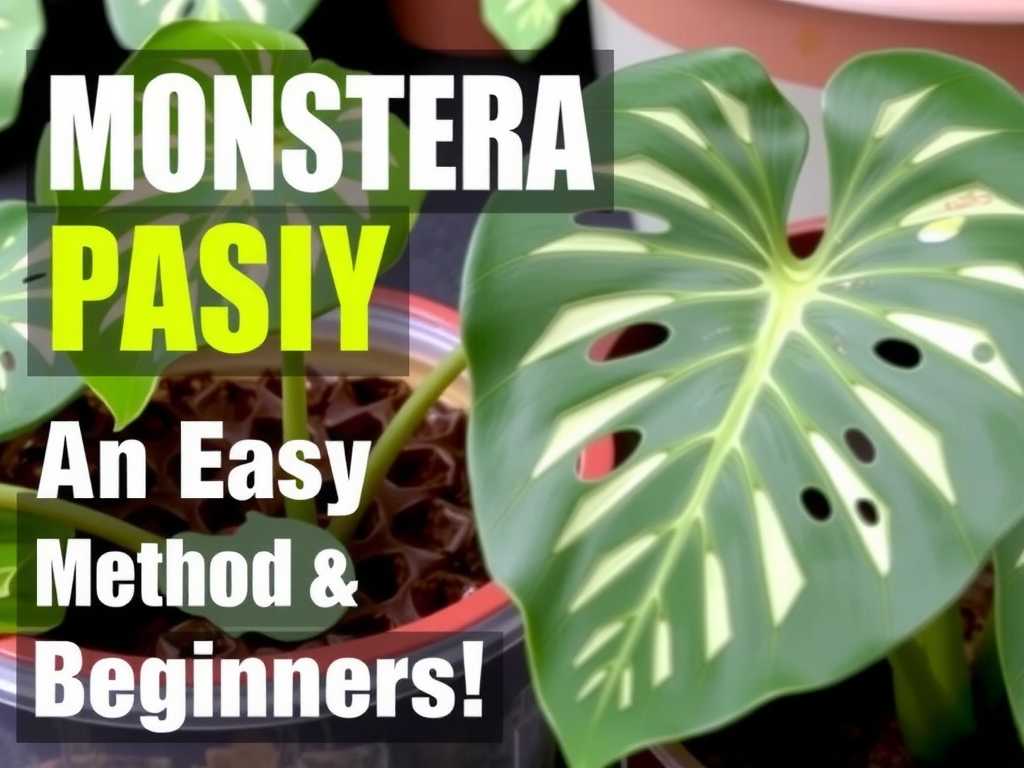
For beginners, starting with water is the most visual and forgiving method. Unlike soil propagation, where you’re left guessing about root development, water allows you to witness the entire magical process. You can monitor root health daily, ensuring there’s no hidden rot. It’s a low-cost experiment requiring minimal supplies: a sharp tool, a container, and water. This method builds a strong root system before the transition to soil, giving your new plant a solid foundation for future growth. Horticulturists often recommend water propagation for aroid plants like Monstera, as it aligns with their natural ability to root in moist environments.
What You’ll Need: A Simple Supplies Checklist
Gathering your tools beforehand makes the process smooth. You don’t need anything fancy.
- A Healthy Mother Plant: Choose a mature, pest-free Monstera.
- Sharp, Clean Cutting Tool: Pruning shears, sharp scissors, or a knife. Clean with rubbing alcohol to prevent disease transfer.
- A Clear Glass or Jar: Allows light to encourage rooting and lets you see progress.
- Fresh Water: Room-temperature tap water left to sit for 24 hours or filtered water is ideal to minimize chemicals.
- Optional: A bright, warm spot away from direct sun.
The Step-by-Step Guide to Propagating Monstera in Water
Follow these clear instructions for the best chance of success.
Step 1: Identifying and Cutting the Perfect Stem
The key to successful Monstera propagation in water starts with selecting the right cutting. Look for a healthy stem that includes at least one node—the brown, bumpy ring on the stem where leaves and aerial roots emerge. The node is the powerhouse for new root growth; a cutting without one will not root. Ideally, your cutting should also have one or two leaves. Using your sterilized tool, make a clean cut about a half-inch below the chosen node. This ensures the node is included on your cutting.
Step 2: The Initial Setup and Water Care
Place your cutting in the glass jar, ensuring the node is fully submerged in water. The leaf (or leaves) should remain above the waterline. Place the setup in a location with bright, indirect light. Direct sunlight can heat the water and encourage algae growth. Change the water completely once a week. This refreshes oxygen in the water and prevents the buildup of harmful bacteria. Rinse the roots and the jar gently during each water change.
Step 3: The Waiting Game: Root Development Timeline
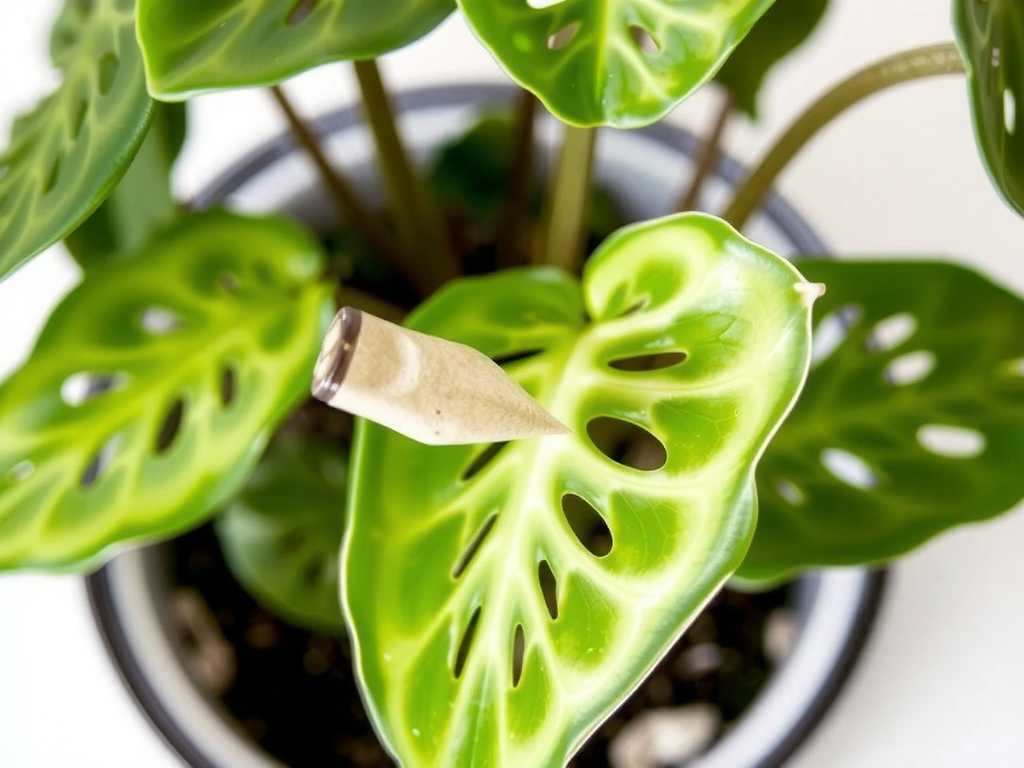
Patience is essential. You will typically see small, white nubs emerging from the node within 2-4 weeks. These will gradually develop into primary roots. For a cutting to be ready for potting, aim for roots that are at least 4-6 inches long and have secondary roots (smaller roots branching off the main ones). This robust system, which can take 1-2 months, helps the plant better absorb water and nutrients in soil, easing the transition shock.
Step 4: Transitioning Your Monstera Cutting to Soil
Once your roots are substantial, it’s time to pot. Prepare a pot with a well-draining aroid mix. Gently remove the cutting from water and carefully place the roots into the soil. Backfill with your potting mix, keeping the plant at the same depth it was in water. Water the soil thoroughly immediately after potting. For the first 2-4 weeks, keep the soil consistently moist (but not soggy) to help the water roots adapt to their new environment. You may notice some initial wilting; this is normal as the plant adjusts.
Troubleshooting Common Water Propagation Problems
Even with an easy method, sometimes issues arise. Here’s how to handle them.
- Yellowing Leaves: This is often due to the cutting using energy to root. Ensure it gets enough indirect light. Remove severely yellowed leaves.
- Rotting Stem (Mushy, Brown): This happens if the node is submerged too deeply or if water isn’t changed. Cut away the rotten part above a node, clean the jar, and start with fresh water.
- Slow or No Root Growth: Check light and temperature. Roots develop faster in warm, bright conditions. Ensure you cut at a node.
- Algae in the Water: This is harmless but unsightly. Use an opaque container or change the water more frequently, cleaning the jar each time.
Expert Tips for Faster, Healthier Roots
To go from beginner to proficient, consider these insights from professional growers.
- Aerial Root Advantage: If your cutting includes a long, healthy aerial root, place that in the water. It will often adapt and grow water roots very quickly.
- Light and Warmth: A consistent temperature between 70-75°F (21-24°C) near a bright window accelerates metabolism and root development.
- The Debate on Additives: While some swear by adding a drop of liquid fertilizer or rooting hormone to the water, pure water is often best for beginners to avoid burning delicate new roots. For the easiest way to propagate Monstera, simplicity wins.
Frequently Asked Questions
How long can I leave my Monstera in water? You can keep a Monstera in water for many months, even years, as a semi-hydroponic plant. However, for long-term health and larger growth, potting it in soil after strong roots form is recommended. Water alone lacks the nutrients for sustained, mature growth.
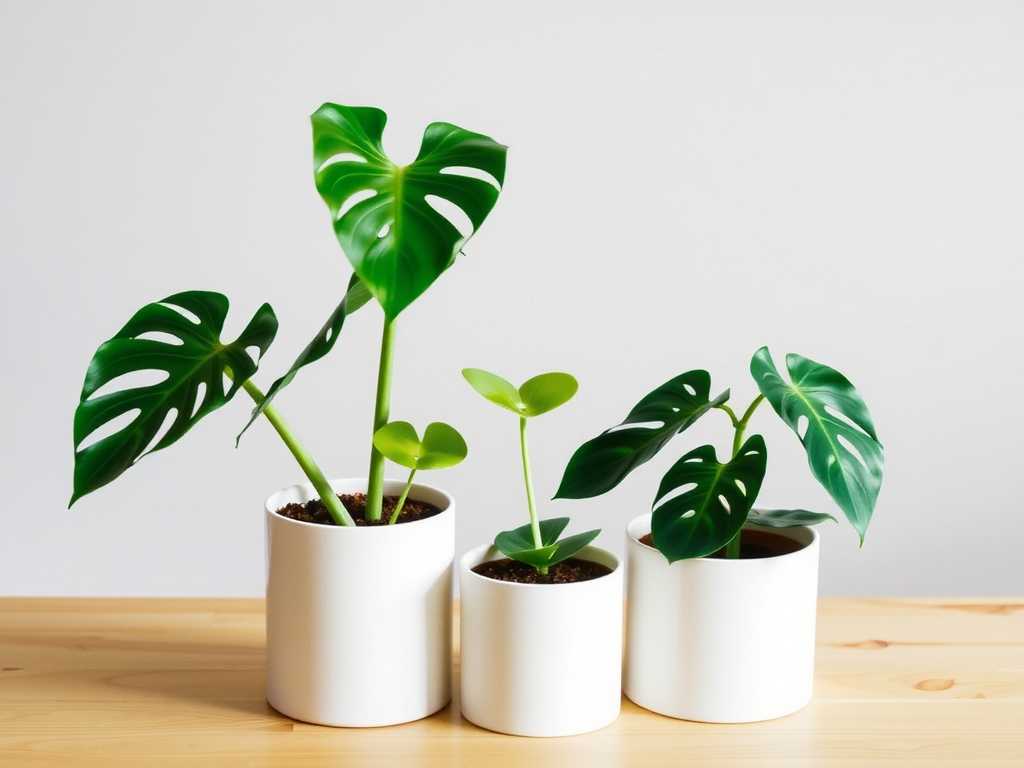
Why are my propagated Monstera’s new leaves small and without splits? New leaves from a cutting often start smaller and without the characteristic fenestrations (splits and holes). This is normal. As your new plant matures and establishes a stronger root system in soil, with adequate light, it will begin to produce larger, split leaves. Patience is key.
Can I propagate a Monstera leaf without a node? No, a leaf alone placed in water, even with a petiole (leaf stem), will not grow into a new plant. It may root but will eventually die because it lacks the nodal tissue required to generate new stems and leaves. Always ensure your cutting includes a node.
Propagating your Monstera in water is a deeply satisfying project that demystifies plant growth. By following these clear steps—taking a proper cutting with a node, maintaining clean water, and allowing time for strong roots to develop—you set yourself up for undeniable success. This process not only expands your plant collection but also deepens your connection to and understanding of these incredible living organisms. So, find your shears, choose a stem, and start your propagation journey today. Watching those first roots appear is a moment of pure magic every plant parent deserves to experience.
发表评论