 admin
admin Monstera Soil Propagation: How to Plant Cuttings Directly for Faster Growth
You’ve lovingly taken a beautiful Monstera cutting, its aerial root promising new life. You place it in water, watching and waiting for weeks. But what if there was a way to skip the water propagation stage altogether? A method that could lead to a stronger, more established plant from the very start? Welcome to the direct approach: Monstera soil propagation.
This guide is dedicated to teaching you exactly how to plant Monstera cuttings directly into soil. We’ll move beyond the uncertainty and potential for rot that can come with water propagation. By the end, you’ll have the confidence to transition your cuttings from node to nurturing soil seamlessly, promoting robust root development right where your plant will ultimately live.
Why Choose Direct Soil Propagation for Your Monstera?
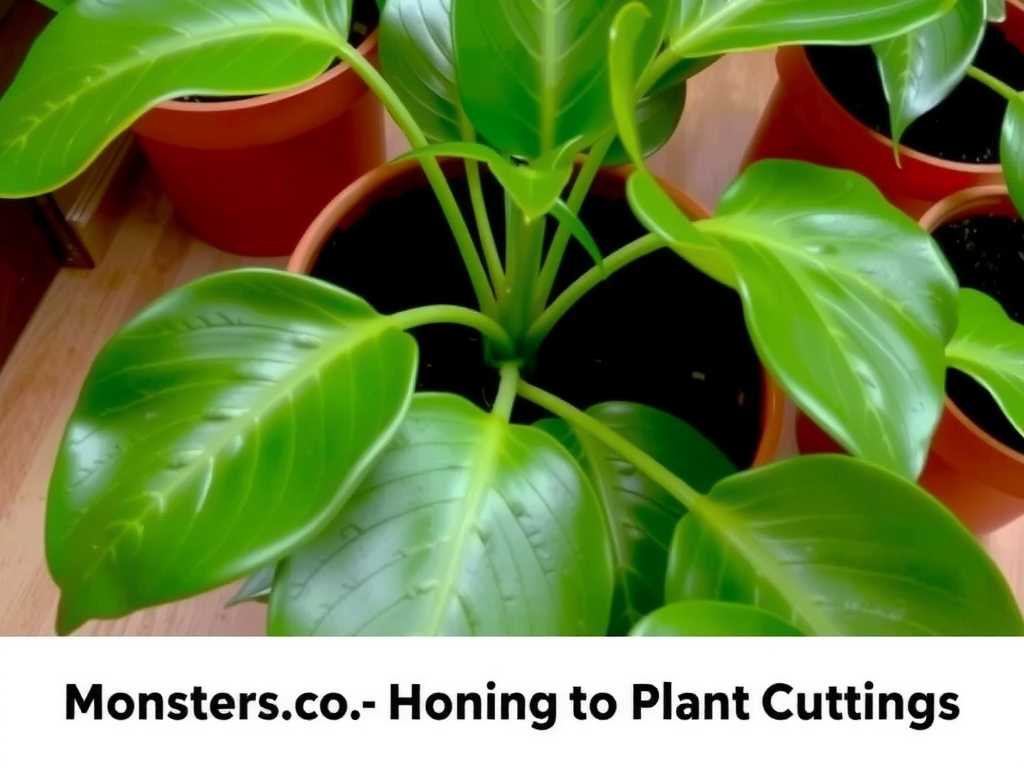
While water propagation is excellent for observation, planting cuttings directly in soil offers distinct advantages. Horticulturists often note that soil-propagated roots, known as “soil roots,” are thicker and more adapted to their environment from inception, unlike the finer, more fragile “water roots” that must later transition. This can lead to less transplant shock and faster overall establishment.
The core benefits are clear. First, you eliminate the risky transition phase from water to soil, where cuttings can wilt or struggle. Second, it encourages a sturdier root system designed to absorb nutrients from soil immediately. Finally, it’s often a faster route to a mature, growing plant, as the cutting focuses its energy on adapting to its permanent home right away.
What You Need: Preparing for Successful Soil Propagation
Success begins with the right tools and materials. Gathering these items beforehand makes the process smooth and stress-free.
Essential Tools and Materials:
- A Healthy Monstera Cutting: This is non-negotiable. Your cutting must have at least one node (the brown, ring-like bump on the stem) and one healthy leaf. An aerial root is a major bonus.
- Well-Draining Potting Mix: A standard houseplant mix amended with perlite and orchid bark is perfect. Aim for a chunky, airy consistency. Expert growers, like those from the International Aroid Society, recommend a mix that retains some moisture but drains excess water quickly to prevent rot.
- A Suitable Pot: Choose a pot with ample drainage holes. It should be snug but not huge—a pot just 1-2 inches wider than the root node area is ideal.
- Clean, Sharp Pruners or Scissors: Sterilize them with rubbing alcohol to prevent introducing disease.
- Optional but Helpful: Rooting hormone powder or gel, a clear plastic bag or humidity dome, and a small stake for support.
Step-by-Step Guide: Planting Your Monstera Cutting in Soil
Follow these detailed steps to ensure your cutting has the best possible start in its new soil home.
Step 1: Taking and Preparing the Perfect Cutting Identify a stem section with a node. Make a clean cut just below the node using your sterilized tools. If your cutting has an aerial root, that’s fantastic—it’s ready to grow. Allow the cut end to callous over for about an hour. This simple step forms a protective layer that significantly reduces the risk of rot when planted. For an extra boost, dip the calloused end and node into rooting hormone.
Step 2: Potting Mix and Container Selection Fill your chosen pot with your pre-moistened potting mix. The mix should feel like a wrung-out sponge—damp but not dripping. Create a small hole in the center where you will place the cutting. Remember, a pot that is too large will hold excess moisture around the small root system, which is the primary cause of failure.
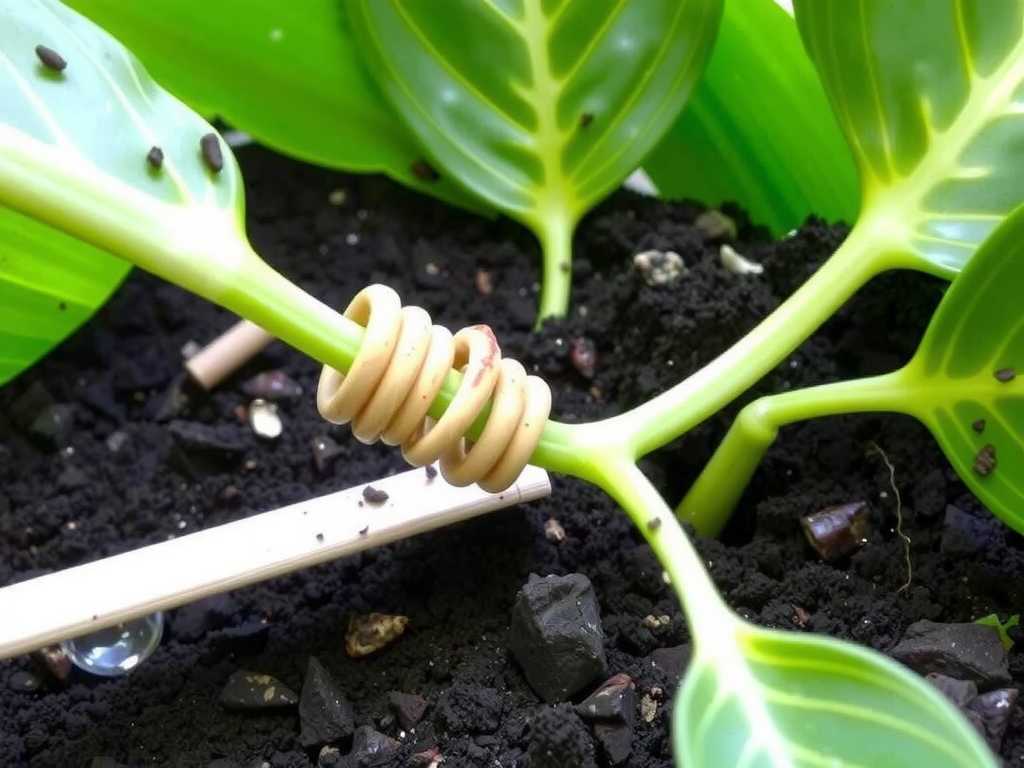
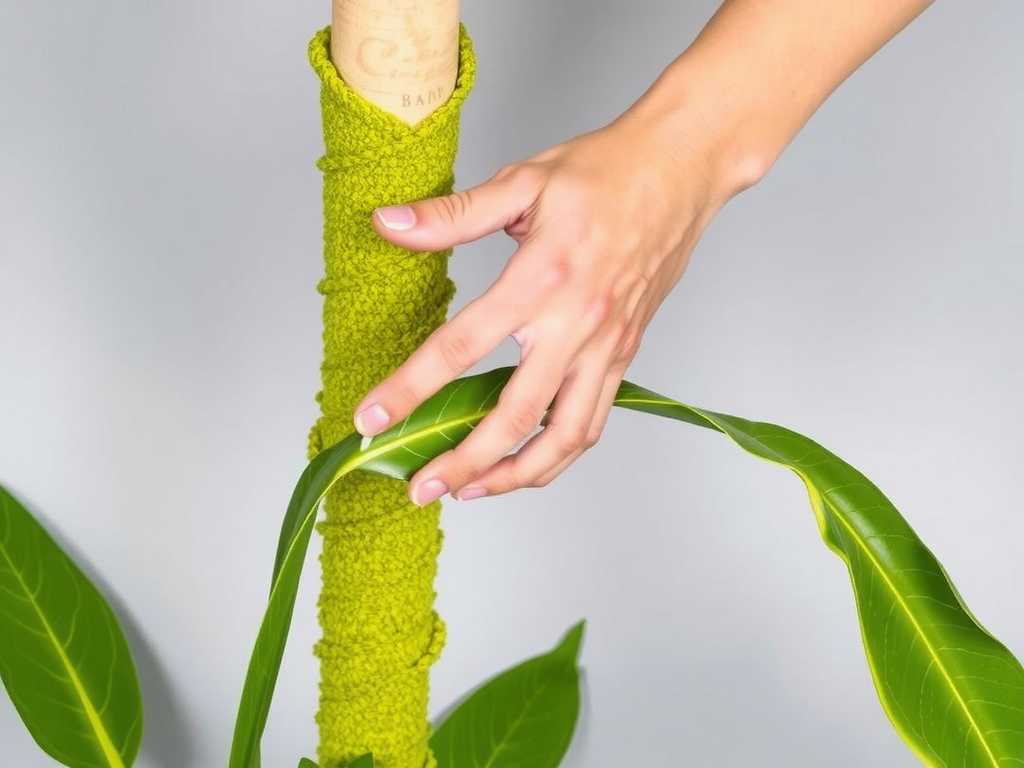
Step 3: The Planting Process Gently place your Monstera cutting into the prepared hole. Bury the node and any aerial roots. The stem should be secure enough to stand upright. Firm the soil around it gently for support. If the cutting is top-heavy, insert a small stake to anchor it without damaging the stem. Do not pack the soil too tightly; roots need oxygen.
Step 4: Initial Watering and Placement Water the soil lightly after planting to settle it around the cutting. Place the pot in a location with bright, indirect light. Direct sunlight will scorch the leaf and stress the cutting. To create a humid microclimate—which cuttings love—you can cover the pot with a clear plastic bag or place it under a humidity dome. Ensure the plastic does not touch the leaves.
Aftercare: Ensuring Your Propagated Cutting Thrives
Your job isn’t over after planting. Proper aftercare is what bridges the gap between planting and growth.
Watering and Humidity: The Balancing Act This is the most critical phase. Keep the soil consistently lightly moist, never soggy. Overwatering is the fastest way to lose your cutting. Check the top inch of soil; water only when it feels dry. Maintain high humidity around the cutting, especially if you see condensation inside your plastic bag. Ventilate it every few days for an hour to prevent mold.
Light and Temperature Requirements Provide warm, stable temperatures between 65-80°F (18-27°C). Keep the cutting in that bright, indirect light spot. A north or east-facing window is often ideal. Avoid cold drafts or sudden temperature changes.
Signs of Success and Troubleshooting In 3-6 weeks, gently tug on the cutting. If you feel resistance, roots are forming! New leaf growth is the ultimate confirmation. If a leaf yellows, it may be normal senescence as the plant focuses energy on roots. However, black, mushy stems signal rot—you may need to recut above the rot and start again. Wilting can indicate under-watering or insufficient humidity.
Common Mistakes to Avoid in Direct Soil Propagation
Even with the best intentions, small errors can hinder success. Be mindful of these pitfalls:
- Using a Dense, Water-Retentive Soil: This suffocates nodes and invites rot. Always use a chunky, airy mix.
- Choosing an Oversized Pot: Excess soil stays wet for too long, enveloping the small cutting in moisture.
- Overwatering During the Rooting Phase: More water does not mean faster roots. It means less oxygen and more risk.
- Providing Insufficient Humidity: Dry air can desiccate the cutting before it establishes roots. A humidity tent is a simple fix.
- Impatience: Constantly digging up the cutting to check for roots damages delicate new growth. Trust the process.
How long does it take for Monstera cuttings to root in soil? Typically, you can expect to see root development in 4 to 8 weeks. Factors like season, temperature, and humidity play a role. Warmer, brighter months usually speed up the process.
Can I propagate a Monstera cutting without a leaf? Yes, it is possible to propagate from a stem section containing only a node (often called a “wet stick”). However, this requires higher humidity and more patience, as the plant has no leaf to conduct photosynthesis. For beginners, starting with a leaf and node is far more reliable.
Why is my Monstera cutting wilting after planting in soil? Wilting is common and often due to transplant stress or low humidity. Ensure the soil is lightly moist (not dry) and increase humidity by covering the cutting with a plastic bag. Avoid direct sunlight. If the stem is firm, it will likely recover as roots develop.
Embracing direct soil propagation for Monstera is a rewarding skill that simplifies your plant journey. By understanding the needs of the cutting—a well-draining home, careful moisture management, and a humid environment—you set the stage for resilient growth. This method aligns with the plant’s natural inclinations, building a foundation for a lush, thriving Monstera that bypasses the intermediate water stage entirely. With your new knowledge, that single cutting holds the direct promise of a magnificent, full-grown plant.
发表评论