 admin
admin Monstera Division Propagation: Splitting Mature Plants for Lush Growth
Is your beloved Monstera deliciosa becoming a bit too much of a good thing? Perhaps it’s outgrown its corner, looking leggy, or the root ball is bursting from its pot. You love its lush, tropical vibe but don’t have space for a second giant plant. There’s a perfect, straightforward solution that doesn’t involve delicate stem cuttings: Monstera division propagation. This method allows you to split a mature, multi-stemmed plant into two or more fully-formed, independent plants. It’s less intimidating than it sounds and is often the fastest way to gain substantial new Monsteras. This guide will walk you through the entire process, from knowing when your plant is ready to post-division care, ensuring you and your plants thrive.
Understanding Monstera Division: What It Is and Why It Works
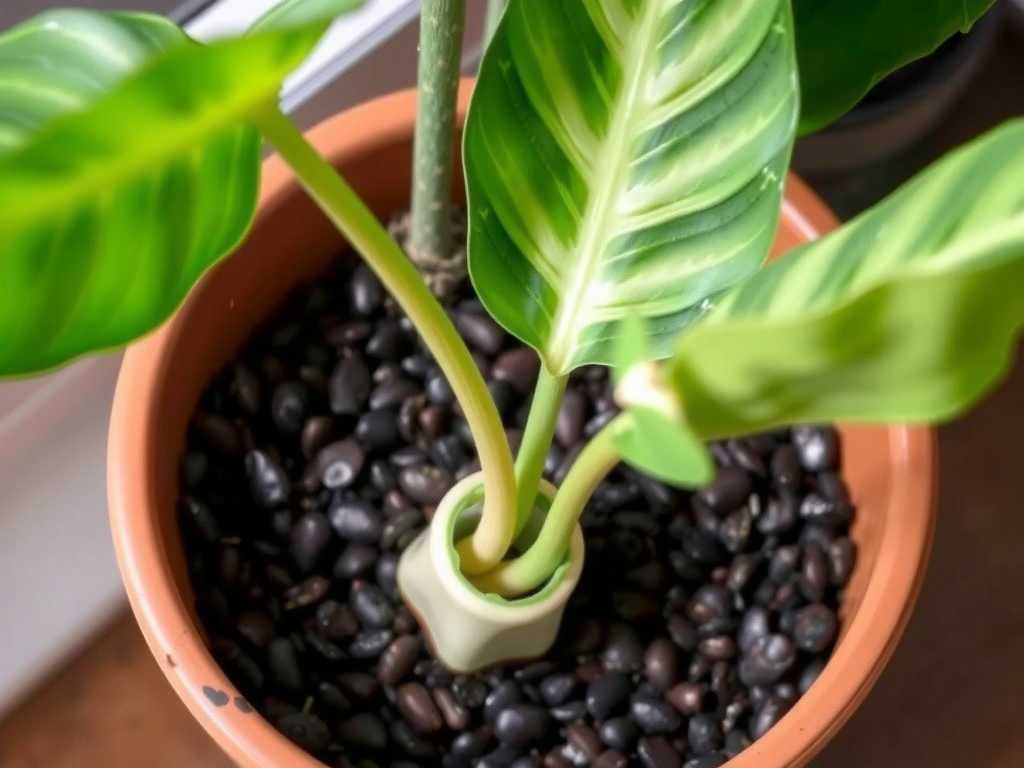
Unlike propagation from stem cuttings or aerial roots, which creates a new plant from a section of the mother, division involves separating a mature plant that has developed multiple independent stems or growth points (also called "vines" or "stalks") from its root system. Each division must have its own stem, leaves, and a healthy portion of roots to survive. This method leverages the plant’s natural growth habit. As Monsteras mature, they produce new stems from the base or from nodes along the main stem. Over time, these can become distinct clusters that, while sharing a pot, are essentially separate plants. Division simply gives them their own space.
Why Choose Plant Division Over Other Propagation Methods?
- For Mature, Multi-Stemmed Plants: It’s the ideal technique for a crowded Monstera. If your plant has several distinct stems emerging from the soil, it’s a prime candidate.
- Faster Results: Since each division is already a established section with leaves and roots, it skips the vulnerable rooting phase of a cutting. You get a sizeable, stable plant immediately.
- Revitalizes the Parent Plant: Dividing an overgrown Monstera reduces competition for water, nutrients, and light among the stems, often leading to a surge of fresh, healthy growth on the original plant.
- High Success Rate: Provided you include adequate roots with each division, the success rate is extremely high, as you’re working with already developed root systems.
When Is the Right Time to Divide Your Monstera?
Timing is crucial for minimizing stress and promoting quick recovery. The best period is during the active growing season, in spring or early summer. This gives the divisions the entire growing season to establish themselves in their new pots. Signs your Monstera is ready for splitting include: roots growing out of the drainage holes, the soil drying out unusually fast, multiple visible stems crowding the pot, or generally slowed growth despite proper care.
Essential Tools and Materials You’ll Need
Gathering your supplies beforehand makes the process smooth.
- Sharp, Clean Tools: Pruning shears or a sharp serrated knife. Sterilize with rubbing alcohol to prevent disease transmission.
- Fresh Potting Mix: A well-draining, chunky aroid mix. You can use a standard houseplant soil amended with perlite and orchid bark.
- New Pots: Have 1-2 new pots ready, 1-2 inches larger in diameter than the root ball of each intended division. Ensure they have drainage holes.
- Other Supplies: Gloves, a tarp or newspaper for the work area, and a watering can.
Step-by-Step Guide to Splitting Your Monstera Plant
Follow these steps carefully for a successful mature Monstera separation.
1. Prepare the Mother Plant Water your Monstera thoroughly 24-48 hours before the operation. Hydrated roots are more flexible and resilient, making them less prone to breakage.
2. Remove the Plant from Its Pot Lay the pot on its side. Gently squeeze the pot or run a knife around the inside edge to loosen the root ball. Carefully pull the plant out by the base of the stems, not the leaves. If it’s stubborn, you may need to tap the pot’s bottom.
3. Inspect and Loosen the Root Ball Place the root ball on your work surface. Gently massage and tease apart the outer roots and soil. Use your fingers to slowly untangle the root mass, identifying natural separation points between stems. Look for areas where stems are farther apart, with their own distinct root clusters.
4. Execute the Division For loosely tangled plants, you may be able to separate them by hand. For tightly wound root balls, use your sterilized tool to cut through the root mass, ensuring each new section has at least one healthy stem, several leaves, and a substantial amount of roots. Never create a division that is just leaves without roots. It’s better to have fewer, robust divisions than many weak ones.
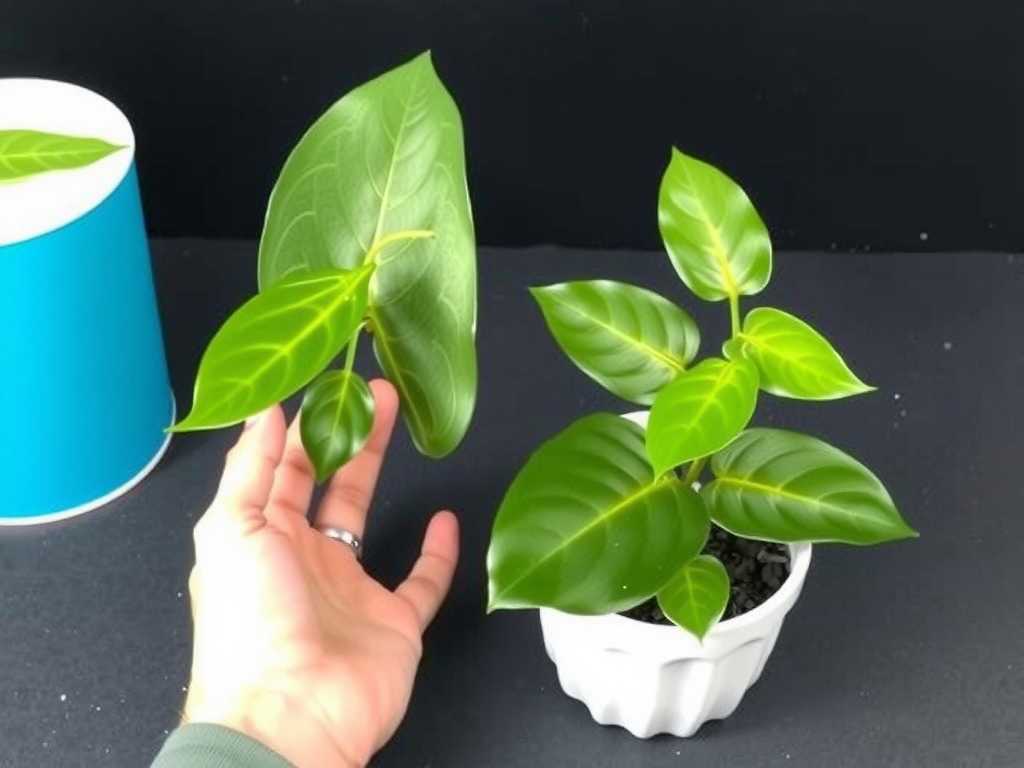
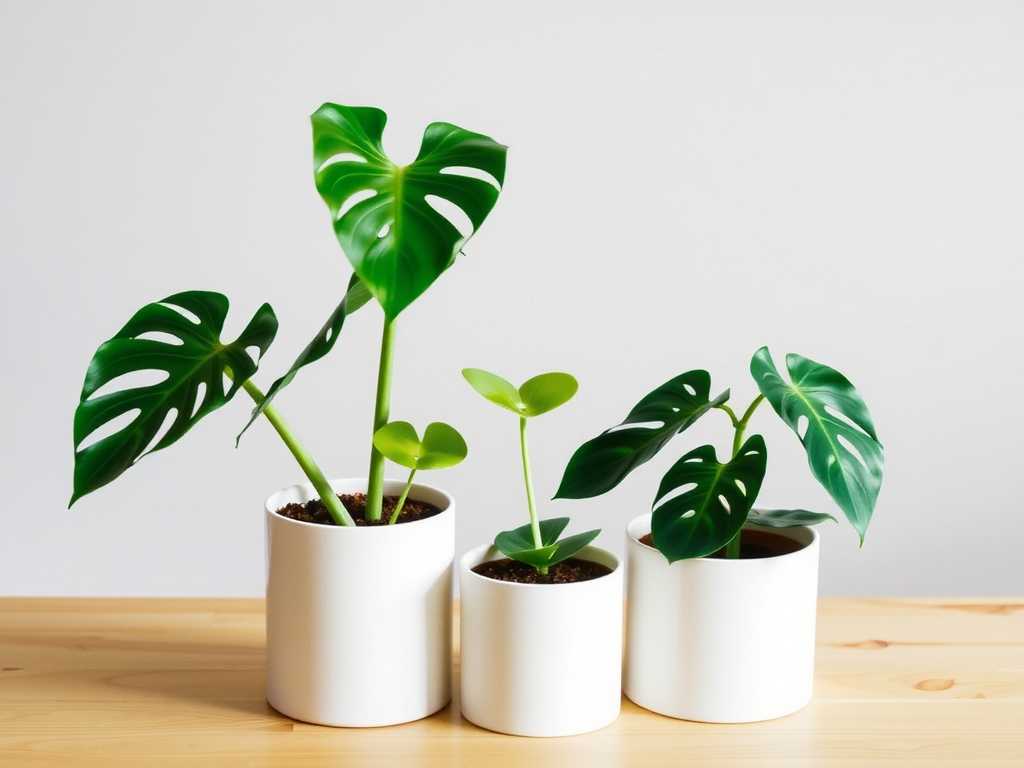
5. Pot Up the New Divisions Fill the bottom of each new pot with fresh potting mix. Place a division in the center, ensuring it sits at the same soil depth as before. Fill in around the roots with more mix, gently firming it to eliminate large air pockets. Leave about an inch of space at the top for watering.
6. Initial Post-Division Care Water each new plant thoroughly until water runs freely from the drainage holes. This helps settle the soil around the roots. Place the pots in a location with bright, indirect light. Avoid direct sun, which can stress the recovering plants.
Troubleshooting Common Division Problems
- Root Damage: Some root loss is inevitable. If many thick roots are severed, you may need to trim back a leaf or two to reduce the plant’s water demand while it regenerates roots.
- Transplant Shock: Wilting or drooping leaves for a few days is normal. Maintain consistent moisture (not soggy soil) and high humidity if possible.
- Yellowing Leaves: A single yellowing leaf post-division can be a stress response. Multiple yellow leaves could indicate overwatering—ensure pots are draining properly.
Caring for Your Newly Divided Monsteras
For the first 4-6 weeks, treat your divisions with extra care. Water only when the top 1-2 inches of soil are dry. Hold off on fertilizing for at least 6-8 weeks to avoid burning new roots. Once you see new leaf growth, it’s a sign the plant has settled in. You can then resume a normal Monstera care routine with monthly feeding during the growing season.
Expert Insights on Plant Propagation
Renowned horticulturist and author, Jane Perrone, emphasizes the importance of plant readiness: "Division should feel like you’re helping the plant along a natural path, not forcing it apart. If it doesn’t want to separate easily, it might be better to wait or choose a different propagation method." This aligns with the principle of working with the plant’s biology for higher success.
Frequently Asked Questions
How long does it take for a divided Monstera to recover? Most divided Monsteras show signs of new growth within 3-6 weeks, indicating successful establishment. Full recovery and a return to vigorous growth typically take one full growing season.
Can I divide a Monstera with only one stem? No, division is not suitable for single-stemmed Monsteras. Attempting to split a single stem will likely kill the plant. For single-stem plants, consider air layering or stem cutting propagation instead.
What should I do if the roots are extremely root-bound and tangled? For severe cases, you may need to soak the root ball in a bucket of lukewarm water for an hour to help loosen the soil and roots. Then, use a gentle stream of water from a hose or faucet to wash away more soil, making the root structure and natural divisions clearer before cutting.
By choosing the right plant and following a mindful process, splitting mature Monsteras is a highly rewarding way to manage your plant’s size and expand your collection. The key is patience—both during the physical act of division and in the weeks of recovery care. With proper attention, you’ll soon have multiple thriving, lush plants, each a testament to your successful propagation effort.
发表评论