 admin
admin Monstera Seed Propagation: How to Grow from Seeds (Challenges & Tips)
You’ve seen the stunning, fenestrated leaves of a mature Monstera deliciosa. You dream of growing your own from the very beginning. But the journey from a tiny Monstera seed to a lush, leafy plant is shrouded in mystery and frustration for many. Most guides focus on cuttings, leaving seed growers with more questions than answers. Why do my seeds rot? How long until I see the iconic splits? Is it even possible? This guide cuts through the uncertainty. We provide a clear, step-by-step roadmap for Monstera seed propagation, tackling the real challenges of growing Monstera from seeds and equipping you with expert tips for successful Monstera germination.
Why Choose Seeds Over Cuttings?
Propagating Monstera from seeds is a test of patience that offers unique rewards. Unlike cuttings, which are genetic clones, plants grown from seeds exhibit natural genetic variation. Your seedling could develop slightly different leaf shapes or growth habits. More importantly, the process fosters a deep connection to the plant’s complete life cycle. It’s a project for the dedicated plant enthusiast who finds joy in the journey as much as the destination. However, it requires a clear understanding of the hurdles ahead.

The Primary Challenges of Growing Monstera from Seeds
Before you begin, know the obstacles. Success comes from managing these common Monstera seedling problems.
1. Seed Viability and Sourcing: This is the biggest hurdle. Monstera seeds are recalcitrant, meaning they lose viability rapidly once removed from the fruit. Seeds purchased from general online marketplaces are often old, dried out, and incapable of germination. Sourcing fresh, viable seeds is the first critical step.
2. The Constant Threat of Rot: Monstera seeds need consistent moisture to germinate but are extremely susceptible to fungal and bacterial rot in stagnant conditions. Balancing moisture with airflow is a delicate act.
3. The Patience Factor: Germination can take from a few weeks to several months. Seedling growth is slow, and it can take 2-3 years, or even longer, for the plant to develop its first fenestrated (split) leaf. This is not a method for those seeking instant gratification.
Step-by-Step Guide to Monstera Seed Propagation
Follow this detailed process to maximize your chances of success.
Sourcing and Preparing Your Seeds
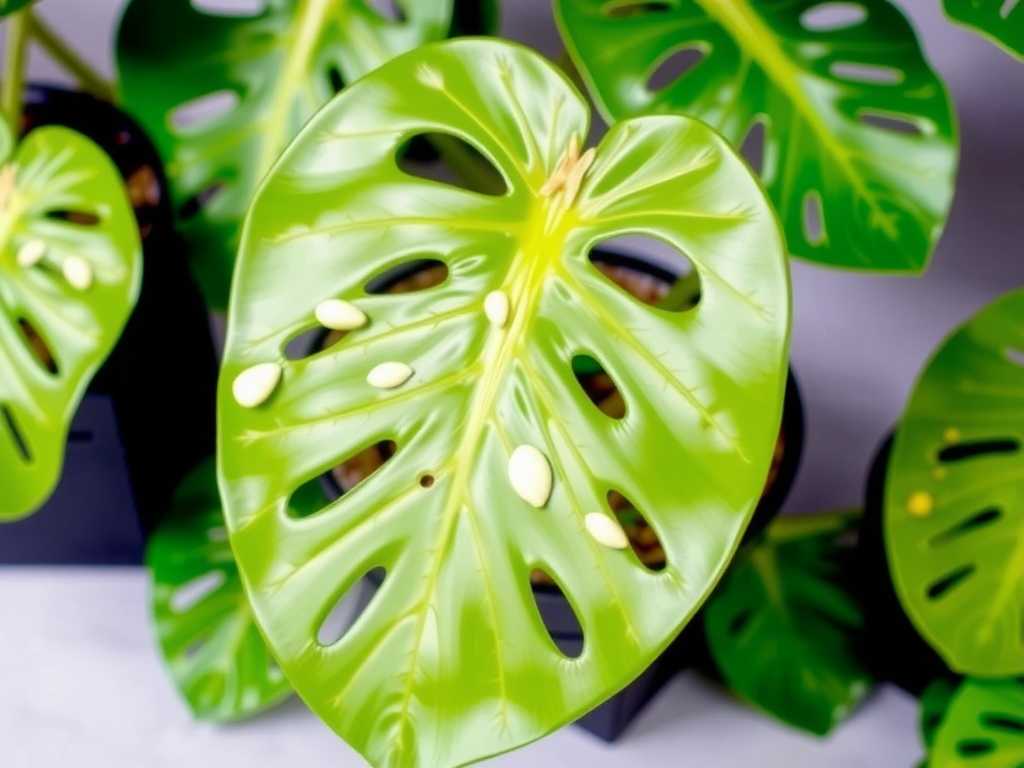
Your success is determined before planting begins. Seek out reputable specialty plant sellers or forums where enthusiasts share fresh seeds. A viable Monstera seed is plump, firm, and often a pale greenish-white color. Dried, shriveled, or dark seeds are likely non-viable.
Once obtained, preparation is key. Gently clean any remaining fruit pulp from the seeds under lukewarm water. Some growers recommend a brief soak in a diluted hydrogen peroxide solution (1 part 3% peroxide to 4 parts water) for 5-10 minutes to disinfect the surface and reduce the risk of rot.
The Ideal Germination Setup
Creating a mini greenhouse is the most effective method. Fill a small, clean container with a sterile, well-draining medium. A mix of sphagnum moss (soaked and wrung out) or a blend of perlite and vermiculite works excellently. These materials retain moisture while allowing oxygen to reach the seed.
Place the seeds on the surface, spacing them apart. Lightly press them into the medium but do not bury them deeply. Cover the container with a clear lid or plastic wrap to maintain high humidity. Place it in a warm location with bright, indirect light. A consistent temperature between 75-80°F (24-27°C) is ideal for triggering germination.
The Critical Seedling Care Phase
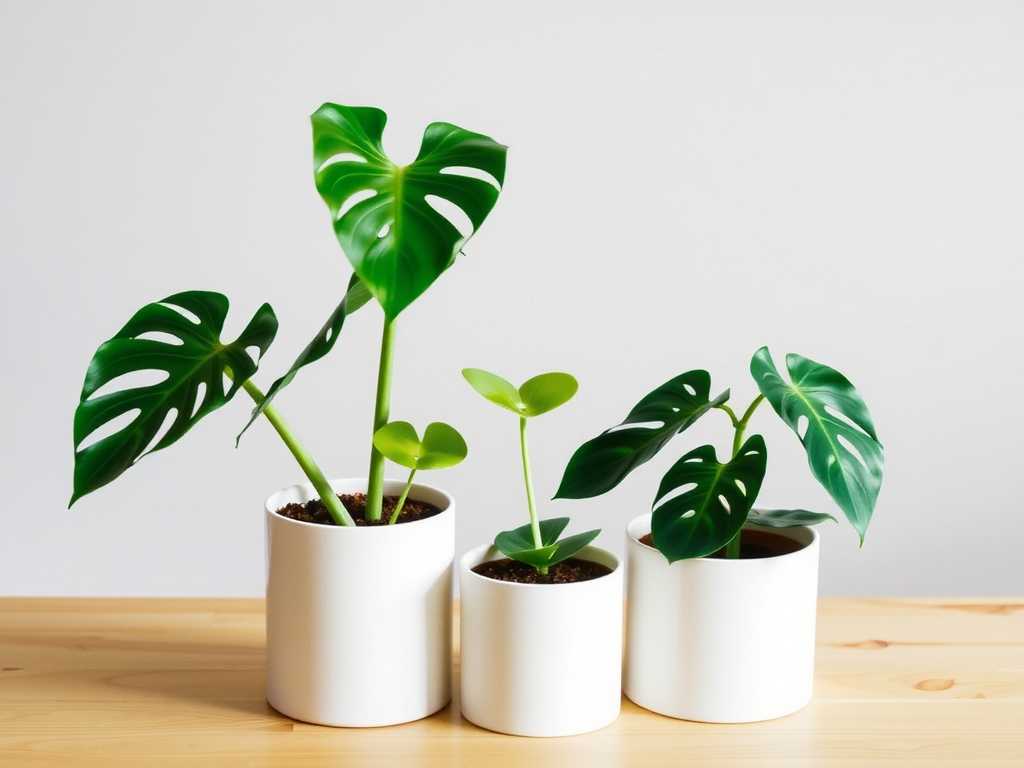
Once the seed cracks and a tiny white radicle (root) emerges, the real work begins. Keep the medium consistently moist but never waterlogged. Condensation on the lid is a good sign. Ventilate the container daily for 15-30 minutes to prevent fungal growth.
When the first true leaf (which will look like a small, heart-shaped leaf without splits) begins to develop, it’s time to think about transplantation. As noted by horticulturist Dr. Linda S. Smith in Tropical Foliage Cultivation, "The transition from germination medium to soil is a critical stress point for seedlings. Ensuring the root system is actively growing before disturbance is paramount."
Essential Tips for Successful Monstera Germination
Beyond the basics, these proven techniques for Monstera seeds will elevate your efforts.
- Master Moisture Control: Use a spray bottle to mist the medium, not pour water. If using sphagnum, the "wrung-out sponge" feel is perfect.
- Prioritize Heat: A seedling heat mat is a worthwhile investment. Bottom heat significantly speeds up germination and encourages strong root development.
- Transplant with Care: Wait until the seedling has at least 2-3 true leaves and a established root system. Gently pot it into a small container with a chunky, airy aroid mix. A standard potting soil is too dense and will cause rot.
- Manage Light Expectations: Seedlings cannot handle direct sun. Provide bright, indirect light for 12-14 hours a day. A grow light can ensure consistent, gentle energy for growth.
Nurturing Your Seedling to Maturity
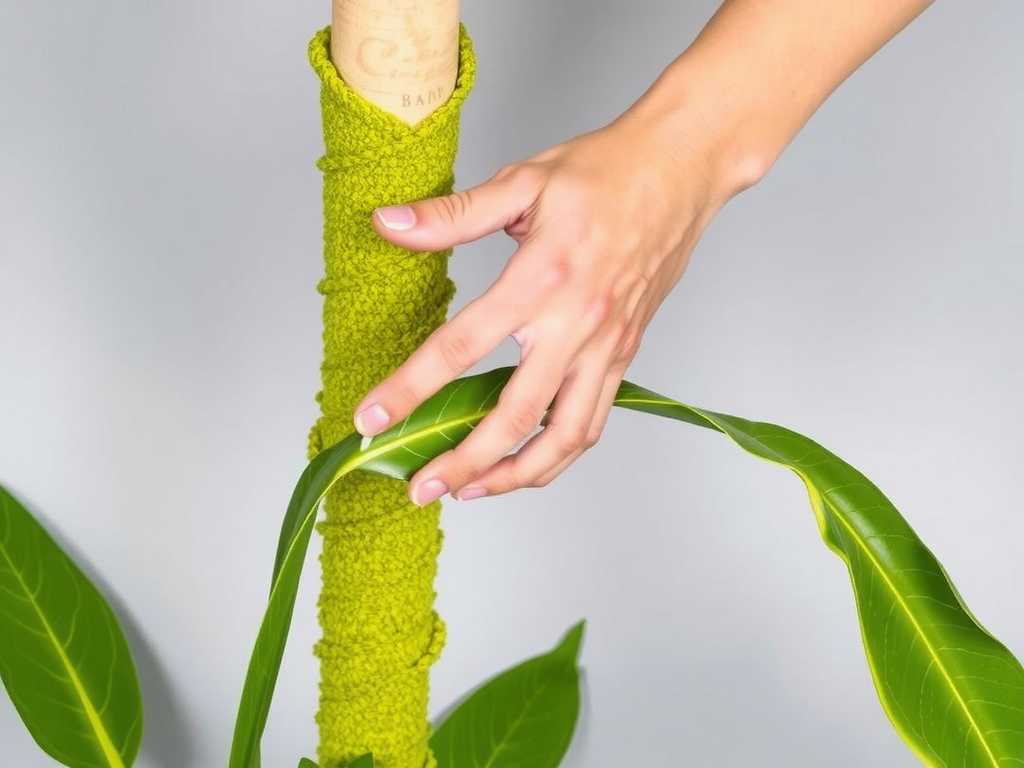
The post-germination journey is long but rewarding. Your young Monstera will need consistent care: water when the top inch of soil is dry, provide stable warmth and humidity, and offer a balanced, diluted fertilizer every 4-6 weeks during the growing season. Support it with a small moss pole as it begins to climb. Remember, juvenile leaves are solid. The iconic fenestrations will appear only as the plant matures, a testament to your patience and care.
How long does it take for Monstera seeds to germinate? Under ideal warm and humid conditions, fresh Monstera seeds can begin to germinate in as little as 2-4 weeks. However, it is not uncommon for the process to take 6 weeks or longer. Patience and consistent environmental conditions are essential.
Can I grow a Monstera from store-bought fruit seeds? It is theoretically possible if the fruit was fully ripe and you extract and plant the seeds immediately. However, store-bought fruit is often harvested early, and the seeds may be immature. The success rate is very low compared to seeds sourced specifically for planting.
Why are my Monstera seedlings leggy and falling over? Leggy seedlings are almost always caused by insufficient light. The seedling stretches to find a light source, resulting in a weak, elongated stem. Move your setup to a brighter location with indirect light or introduce a gentle grow light placed a few inches above the container to promote compact, sturdy growth.
Embarking on Monstera seed propagation is a commitment to the slow magic of plant life. It demands attention to detail, especially in overcoming the challenges of growing Monstera from seeds. Yet, by applying these tips for successful Monstera germination, you transform from a passive observer to an active creator. The first solid leaf, the first aerial root, and ultimately, that first breathtaking fenestration will mark milestones in a uniquely rewarding horticultural achievement. Start with fresh seeds, master the humidity balance, and embrace the pace. Your forest of lush, split leaves begins with a single, carefully nurtured seed.
发表评论