 admin
admin Monstera Propagation in Water vs Soil: Key Differences for Thriving Plants
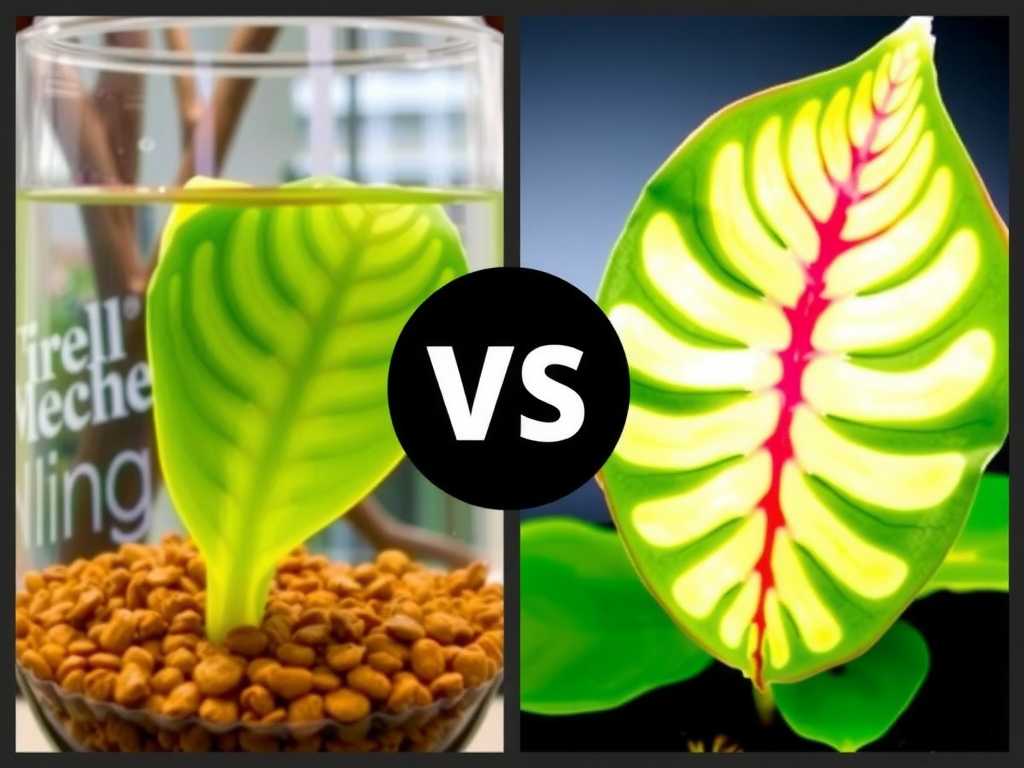
You’ve admired the stunning, fenestrated leaves of a mature Monstera deliciosa and decided it’s time to grow your own collection. You take a beautiful, healthy cutting, but then comes the big question: should you propagate it in water or plant it directly into soil? This single decision can feel overwhelming, leading to uncertainty, slow growth, or even the heartbreaking loss of your precious cutting. Understanding the fundamental differences between water and soil propagation is not just a matter of preference—it’s the key to unlocking successful root development and a resilient, thriving plant.
This guide will dissect every aspect of Monstera propagation in water vs soil, providing you with the clear, actionable knowledge you need to choose the best method for your goals and ensure your new plant gets the perfect start in life.

Understanding the Core Propagation Process
Before diving into the mediums, let’s establish the universal first step: taking a proper cutting. Always use a clean, sharp blade to make a cut just below a node—the brown, bumpy ring on the stem where leaves and aerial roots emerge. A successful cutting must include at least one node and one leaf. This node is the epicenter of new root growth, whether in water or soil.
Water Propagation: A Transparent Journey
The Visual Advantage and Root Development Water propagation is the most popular method, and for good reason. It offers a front-row seat to one of nature’s most fascinating processes. Placing your cutting in a clear vessel allows you to monitor root development daily, providing immense satisfaction and valuable learning. Initially, you’ll see a small bump form at the node, which gradually elongates into a white, fibrous root.
However, it’s crucial to understand that roots grown in water are structurally different from soil roots. They are “water roots”—thinner, more brittle, and adapted to absorbing oxygen and nutrients directly from the water. A study in the Journal of Plant Growth Regulation notes that aquatic-formed roots often have a less developed vascular system and different root hair structures compared to their soil-grown counterparts. This leads us to the most critical phase: the transition.
The Critical Transition to Soil The main challenge of water propagation isn’t growing roots; it’s acclimating those roots to a solid medium. Water roots can go into shock when moved directly to dense soil, a condition sometimes called “transplant shock.” They struggle to adapt to seeking moisture and air in a new environment, potentially leading to wilting or slowed growth. To mitigate this, experts recommend waiting until the water roots are at least 3-4 inches long and have developed secondary branching before transplanting. When you do plant it, keep the soil consistently moist (but not soggy) for the first 2-3 weeks to help the roots gradually adjust.
Step-by-Step Guide to Water Propagation
- Preparation: Use a clean glass jar or vase. Fill with room-temperature, filtered or tap water that has been left out for 24 hours to allow chlorine to evaporate.
- Positioning: Submerge only the node and any emerging aerial roots. Do not submerge the leaf stem or leaf itself.
- Care: Place in bright, indirect light. Change the water completely every 5-7 days to prevent bacterial growth and replenish oxygen.
- Transplanting: Once roots are robust and several inches long, gently transfer to a well-draining aroid soil mix. Water thoroughly and provide high humidity if possible.
Soil Propagation: Going Straight to the Finish Line
Mimicking Natural Growth Conditions Soil propagation skips the intermediate water stage, encouraging roots to form directly in their permanent environment. This method mimics how Monsteras propagate in the wild—aerial roots eventually reach and penetrate the forest floor. The roots that develop are “soil roots” from the very beginning: thicker, sturdier, and immediately adapted to absorbing water and nutrients from a porous medium. This often results in a stronger, more drought-resilient plant in the long run, as noted by horticulturists specializing in aroid care.
Managing the “Black Box” Period The primary drawback of soil propagation is the lack of visibility. You must trust the process without visual confirmation for several weeks. The key to success here is managing moisture and humidity perfectly. The soil must be kept consistently lightly moist to encourage root growth without rotting the stem. This is where many beginners face issues, as overwatering is a common pitfall.
Step-by-Step Guide to Soil Propagation
- Potting Mix: Prepare a very airy, well-draining mix. A combination of potting soil, orchid bark, perlite, and horticultural charcoal is ideal.
- Planting: Insert the cutting’s node about 1-2 inches deep into a small pot filled with the moistened mix. You can use a rooting hormone on the cut end for potentially faster results, though it’s not strictly necessary.
- Environment: Place the pot in a warm location with bright, indirect light. To create a humid microclimate, cover the pot with a clear plastic bag or place it inside a propagation box. Ensure the covering doesn’t touch the leaves.
- Care: Keep the soil lightly moist. Ventilate the cover every few days to prevent mold. Signs of success include new leaf growth or resistance when you give the cutting a very gentle tug, indicating root anchorage.
Direct Comparison: Water vs Soil for Monstera Cuttings
Let’s break down the key factors side-by-side to help you decide.
Success Rate & Speed: For beginners, water propagation often has a higher perceived success rate because problems (like rot) are visible and can be addressed. Root initiation can appear faster in water. However, when you account for the subsequent soil adaptation period, the overall time to a stable, growing plant can be similar to or even longer than soil propagation. Soil propagation, when done correctly, can lead to a more seamlessly established plant without a risky transition phase.
Root Health & Strength: Soil propagation produces tougher, more adapted roots from the start. Water roots must undergo a metabolic adaptation to function in soil, which not all cuttings survive seamlessly. A plant started in soil often exhibits more vigorous growth once established.
Convenience & Learning Curve: Water is undeniably easier to set up and monitor, making it an excellent educational tool. Soil propagation requires more nuanced understanding of moisture levels and humidity control, presenting a steeper initial learning curve but teaching fundamental plant care skills.
Best Use Cases:
- Choose Water Propagation if: You are a beginner who wants to observe root growth, you are propagating a single-node cutting without a leaf (where seeing progress is reassuring), or you simply enjoy the aesthetic of roots in a glass vessel.
- Choose Soil Propagation if: You want to avoid the transplant shock stage, you are propagating a large, multi-node cutting (which is more resilient), you have experience with moisture management, or your goal is the fastest path to a robust, soil-acclimated plant.
Essential Tips for Success in Either Method
Regardless of your choice, these universal principles apply.
- Light & Temperature: Provide bright, indirect light. Direct sun can scorch leaves or overheat water. Maintain temperatures between 65-80°F (18-27°C) for optimal root growth.
- Tools & Hygiene: Always use sterilized shears or a knife. Clean your propagation vessels and pots to prevent fungal and bacterial infections.
- Patience is Key: Propagation is not an instant process. It can take 3-6 weeks to see substantial roots or new growth. Resist the urge to constantly check or disturb your cutting.
Frequently Asked Questions
How long should roots be before moving from water to soil? Wait until the primary water roots are at least 3-4 inches long and have begun to develop their own smaller, lateral root branches. This indicates a more mature root system better equipped to handle the transition.
Why is my soil-propagated cutting wilting or turning yellow? Wilting often indicates that the new roots cannot take up water fast enough to support the leaf. This can be due to low humidity, underwatering, or root rot from overwatering. Yellowing, especially in older leaves, can be a sign of overwatering or stress. Ensure your soil is lightly moist, not wet, and that your humidity is high. A plastic bag tent can often rescue a wilting cutting.
Can I use fertilizer during propagation? It is generally not recommended to use regular-strength fertilizer on unrooted or newly rooting cuttings, as it can burn delicate new growth. For water propagation, a single drop of a very diluted liquid fertilizer in the water after initial roots have formed can provide a boost. For soil, wait until you see consistent new leaf growth before beginning a diluted fertilization routine.
Choosing between water and soil propagation ultimately depends on your confidence, goals, and the specific cutting. Water propagation offers an engaging, visual experience ideal for learning. Soil propagation is a more direct, natural method that builds a sturdier plant from the outset. By understanding these key differences—from root structure and success rates to the critical transition phase—you are now equipped to make the perfect choice for your Monstera. With the right care and a little patience, you’ll soon be watching a new, thriving plant unfurl its magnificent leaves.
发表评论