 admin
admin The Ultimate Guide to the Best Time to Propagate Monstera
You’ve lovingly cared for your Monstera deliciosa, watching its iconic split leaves unfurl. Now, you’re ready for the next step: creating new plants from your beloved green friend. But when you snip that stem, a wave of doubt hits. Will it root, or will it rot? The secret to turning that single cutting into a thriving new plant often lies not just in how you propagate, but when. Choosing the wrong time can lead to frustratingly slow growth or outright failure.
This seasonal guide is designed to eliminate that guesswork. We’ll walk through the science of plant growth cycles and show you precisely why timing is your most powerful ally in Monstera propagation. By aligning your efforts with your plant’s natural rhythm, you significantly boost your chances of lush, vigorous success.
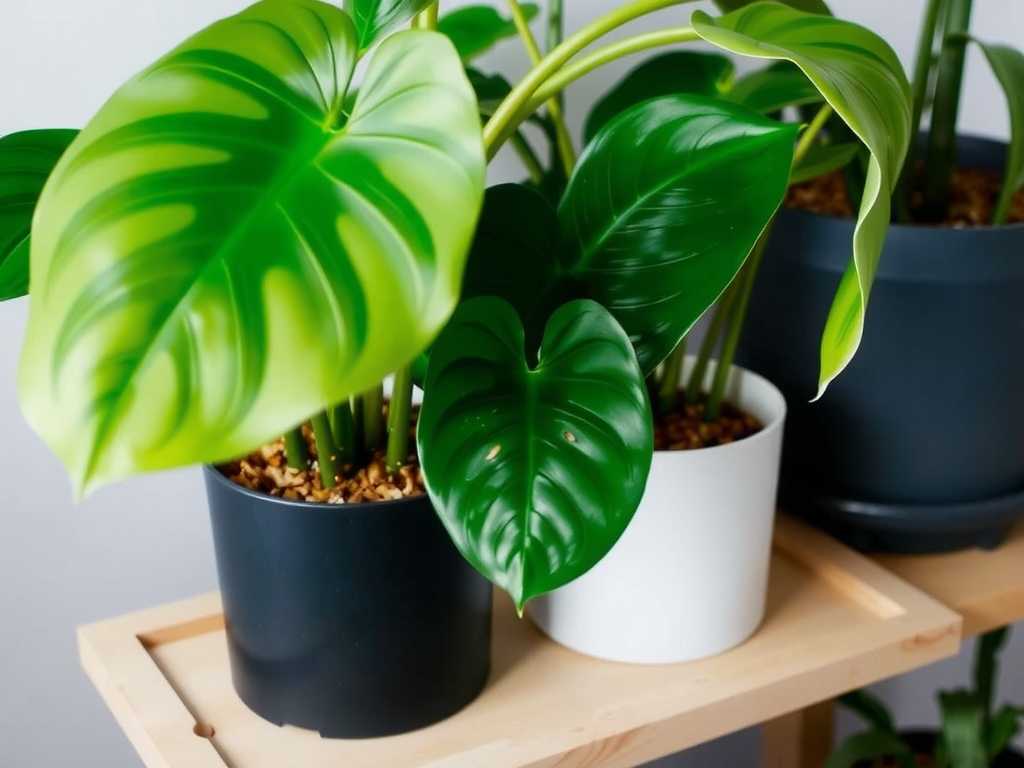
Understanding Plant Dormancy vs. Active Growth
To grasp the best time to propagate Monstera, you must first understand its two primary life phases. Like most plants, Monsteras cycle between dormancy and active growth, dictated largely by light and temperature.
During the active growing season—typically from early spring through summer—your Monstera is in overdrive. Longer daylight hours and warmer temperatures signal the plant to produce new leaves, extend roots, and convert sunlight into energy efficiently. This internal surge of activity is what makes propagation during this window so effective. A cutting taken now is packed with natural growth hormones (auxins) and has the innate drive to establish roots quickly to support new foliage.
Conversely, in fall and winter, the plant enters a dormant or semi-dormant state. With shorter days and cooler temps, growth slows dramatically or pauses altogether. The plant conserves its energy for survival rather than expansion. Propagating during dormancy is an uphill battle. The cutting lacks the hormonal impetus to root rapidly, and the cooler, darker conditions encourage moisture retention, raising the risk of stem rot before roots can form. As noted by horticulturist Dr. Linda Chalker-Scott, “Plant propagation success is intrinsically linked to phenology—the study of cyclic biological events. Intervening during a natural growth surge leverages the plant’s own biological programming.”
Spring: The Prime Season for Propagation
Spring is, without question, the gold standard for propagating Monstera cuttings. As daylight increases and temperatures consistently rise above 65°F (18°C), your Monstera shakes off winter dormancy. You’ll see the telltale sign: a new leaf sheath (cataphyll) emerging from a stem.
This season offers the perfect storm of favorable conditions. Ample indirect light fuels photosynthesis, creating the energy needed for root cell division. Warmer ambient temperatures (70-85°F or 21-29°C) warm the water or soil, accelerating root development. The plant’s sap is flowing vigorously, carrying nutrients and hormones directly to your fresh cutting.
For the home grower, this translates to faster results. Roots may appear in as little as 2-3 weeks in water or a moist propagation mix, compared to 6-8 weeks or more in winter. The subsequent growth of the new plant is also more robust, often producing its first new leaf within a couple of months of potting.
Summer: A Strong Second Choice
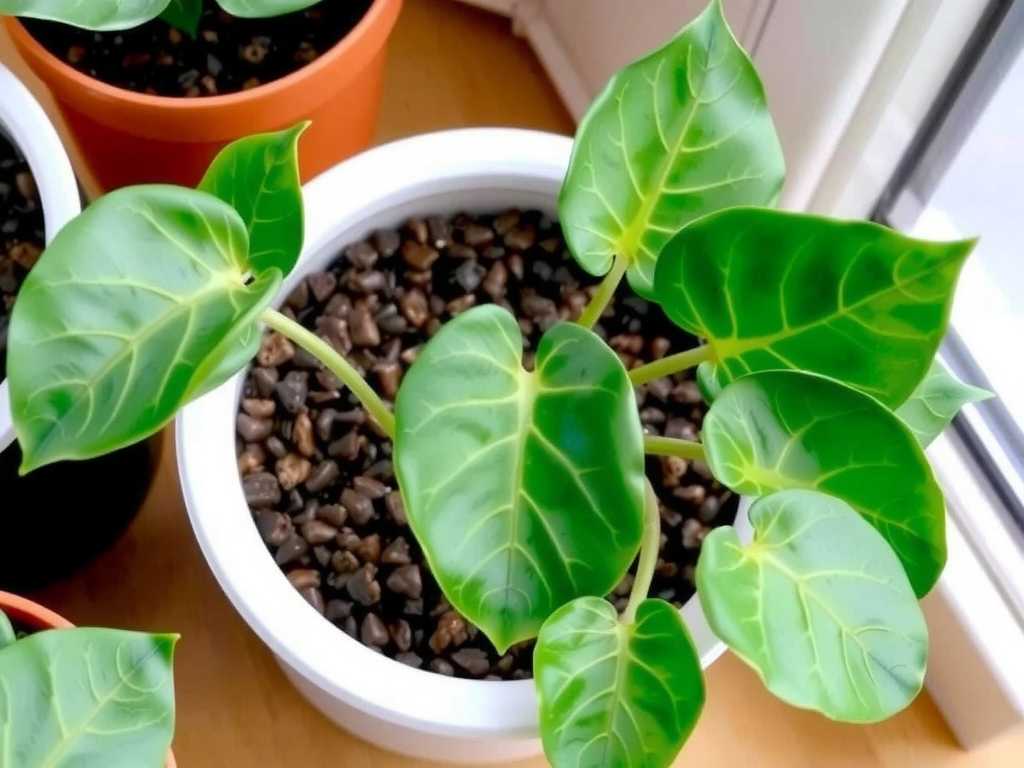
Early to mid-summer continues to be an excellent time for Monstera propagation. The active growth phase is in full swing, providing conditions nearly as ideal as spring. Light is abundant, and warmth is guaranteed.
However, late summer brings minor considerations. In very hot climates, excessive heat can stress a fresh cutting. If propagating in water, ensure it doesn’t get too warm, as this can lower oxygen levels. For soil or moss propagation, monitor moisture closely, as mixes can dry out faster. Providing bright, indirect light (never direct hot sun) and stable temperatures will ensure your summer propagation project is a success. The key advantage is that a cutting taken in early summer can establish a strong root system well before the lower-light season arrives.
Fall and Winter: The Risky Seasons
While it’s technically possible to propagate a Monstera in fall or winter, especially with artificial aids, it is generally not recommended for beginners. The odds are stacked against you.
The core issue is slowed metabolism. Root development may take months, if it initiates at all. The cutting is essentially in stasis, sitting in moisture for prolonged periods, which is an open invitation for fungal and bacterial pathogens. Even if roots do form, the subsequent growth of the new plant will be extremely slow until spring returns.
If you must propagate during this time, you’ll need to create a “spring simulator.” This involves using a seedling heat mat under your propagation vessel to maintain root-zone temperatures around 75°F (24°C) and providing 12-14 hours of bright, artificial grow light. A clear propagation box or humidity dome can help, but vigilance against rot is paramount.
Step-by-Step Propagation Aligned with the Best Season
Once you’ve identified the optimal seasonal window, follow these steps for the highest success rate.
- Select and Prepare Your Cutting. Look for a healthy stem with at least one node (the brown, ring-like bump where leaves and aerial roots emerge) and one leaf. Using sterile shears, make a clean cut just below a node. This node is where all new root growth will originate.
- Choose Your Propagation Medium. For beginners, water propagation is highly recommended during the active seasons. It allows you to monitor root progress easily. Place the cutting in a jar so the node is submerged, but the leaf remains dry. For a more advanced approach, sphagnum moss or a chunky aroid mix provides a seamless transition to soil later.
- Provide the Perfect Environment. Place your cutting in a warm spot with plenty of bright, indirect light. Change the water weekly if using that method. For moss or soil, keep it consistently moist but not soggy.
- Potting Up. Once roots are at least 3-4 inches long (or have secondary roots), it’s time to pot. Use a well-draining potting mix in a small container. This final step in the Monstera propagation process should also be done in the growing season to help the plant settle in quickly.
Signs Your Cutting is Thriving (and Signs It’s Not)
A successful cutting in spring or summer will show a plump, firm stem. The leaf should remain perky, and you may even see a new aerial root nub forming at the node. The most exciting sign is, of course, the appearance of white, fuzzy roots from the node, typically within a few weeks.
Trouble signs include a stem that becomes mushy, brown, or black—a clear indicator of rot. A yellowing or wilting leaf can signal stress, often from cold, darkness, or infection. If rot appears, you can try to recut above the affected area with a sterile tool and start again, but prevention through proper timing is always better.
Can I propagate a Monstera from just a leaf? No, a leaf alone without a node will not grow into a new plant. The node contains the meristematic cells necessary to generate new roots and stems. A leaf in water may develop roots from its petiole (stem), but it will never produce a new vine.
My cutting has roots, but no new leaves are growing. Is this normal? Yes, especially if it’s approaching fall or winter. The plant prioritizes establishing a root system first to ensure it can uptake water and nutrients. Once the roots are sufficiently developed and growing conditions are optimal, it will direct energy to producing a new leaf from a growth point on the stem.
Is it better to propagate in water or soil? For most home gardeners, water propagation is best during the ideal seasons because it’s simple and allows for easy monitoring. However, roots grown in water are structurally different from soil roots. When transferred to soil, they must adapt, which can cause brief transplant shock. Propagating directly in a moist, airy soil mix avoids this shock but requires more careful moisture management to prevent rot.
Choosing the right moment is more than a suggestion; it’s a fundamental principle that works with your plant’s biology. By focusing your propagation efforts in the vibrant window of spring and early summer, you harness the plant’s innate energy, turning a simple cutting into a robust new specimen with remarkable efficiency. Observe your plant, wait for those signs of active growth, and let nature’s schedule guide your gardening success. Your patience will be rewarded with a thriving new generation of Monsteras.

发表评论