 admin
admin The Ultimate Guide to Monstera Propagation Light: Best Light for Cuttings
You've carefully selected your mother plant, made the perfect cut just below a node, and placed your precious Monstera cutting in water or soil. Now, you wait. Days turn into weeks, and instead of vigorous new roots and a sprouting leaf, you're met with yellowing, slow growth, or worse—a rotting stem. The culprit is often overlooked, yet it's the single most critical factor for energy and growth: light. Getting the Monstera propagation light right isn't just a detail; it's the difference between a thriving new plant and a failed experiment.
This guide cuts through the confusion. We'll dive deep into the science and practice of providing the best light for cuttings, ensuring your propagation journey leads to robust, healthy Monsteras.
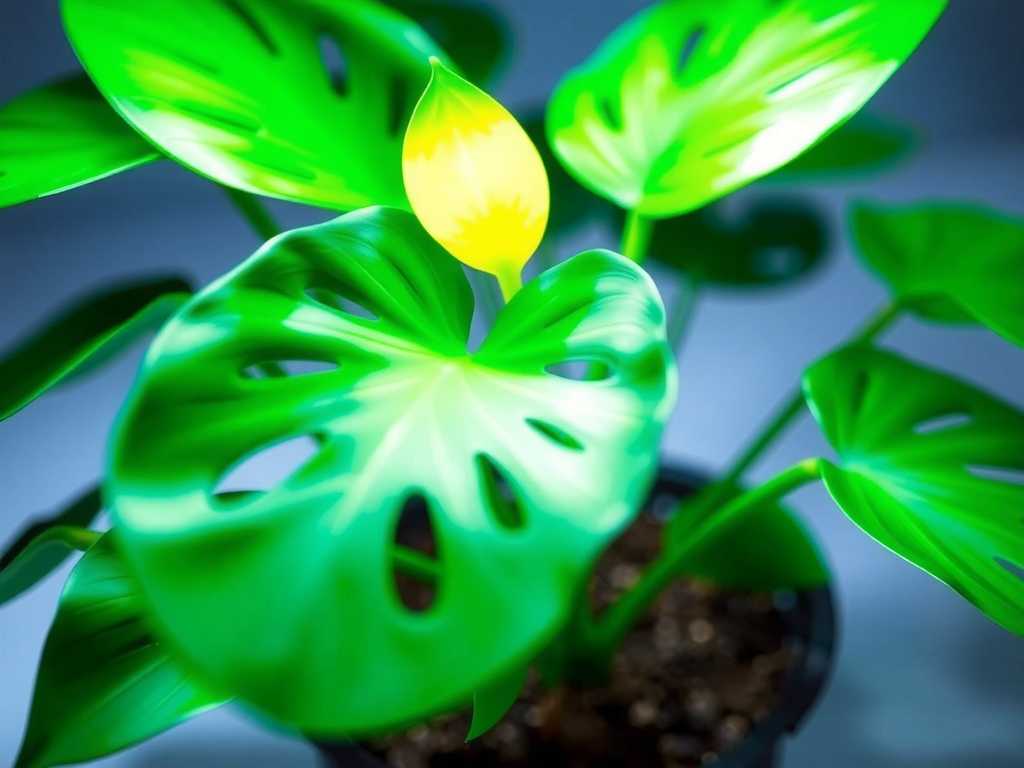
Why Light is Non-Negotiable for Propagating Monsteras
A cutting is a plant in survival mode. Severed from its main root system, it must redirect all its energy into creating new roots. It has no efficient way to uptake water or nutrients until this new system forms. Light is the fuel for this entire process.
Through photosynthesis, the cutting's leaves capture light energy, converting it into chemical energy (sugars). These sugars are then directed to the wounded node to fuel root cell division and growth. Insufficient light means insufficient energy. The cutting will deplete its stored reserves, become weak, and be susceptible to rot. Conversely, too much intense light acts like an oven, scorching leaves and causing excessive water loss (transpiration) that the fledgling roots cannot replace.
Decoding the Best Light Conditions for Monstera Cuttings
The ideal light for Monstera propagation is bright but indirect. Let's break down what that truly means and how to achieve it.
Intensity: Bright Indirect Light Explained
Bright indirect light is the gold standard. Imagine a spot near a window where the sun never directly beams onto the leaves, but the space is filled with ambient, diffused brightness. An east-facing window is often perfect, offering gentle morning sun. A north-facing window can work in the Northern Hemisphere, though it may be too dim in some climates. South or west-facing windows require filtration—use a sheer curtain or place the cutting several feet back from the windowpane.
A simple test: Hold your hand about a foot above the cutting at the brightest time of day. If you see a soft, fuzzy shadow, that's bright indirect light. A sharp, defined shadow indicates direct light, while a barely-there shadow suggests low light.
Duration: How Many Hours of Light Do Cuttings Need?
Consistency is key. Aim for 12 to 14 hours of bright, indirect light daily. This mimics the long tropical days of the Monstera's natural habitat and provides a steady, reliable energy supply. Using a simple outlet timer with a grow light is the easiest way to guarantee this, especially during shorter winter days.
Avoid the temptation to provide 24-hour light. Plants, like all living things, need a rest period (darkness) to respire and process the energy they've created.
The Spectrum: Does Light Color Matter for Rooting?
While cuttings can root under standard cool or warm white lights, a full-spectrum light is superior. Full-spectrum LEDs mimic natural sunlight, providing a balance of blue and red wavelengths.
- Blue Light (cooler spectrum): Encourages strong, compact vegetative growth and is crucial for overall leaf health and photosynthesis.
- Red Light (warmer spectrum): Plays a significant role in stimulating root development and elongation.
A quality full-spectrum grow light ensures your cutting gets a complete "diet" of light for all stages of its propagation journey.
Practical Setup: Water vs. Soil Propagation Lighting
Your propagation medium slightly influences your lighting strategy.
For Water Propagation: Place your vessel in a bright location. Be mindful that clear glass and water can act as a magnifying glass, intensifying light and heat on the submerged stem. If in a very sunny spot, consider using a tinted glass or simply ensure the direct rays don't hit the jar. Rotate the vessel every few days to ensure even light exposure.
For Soil or Sphagnum Moss Propagation: The principles are the same. Ensure the entire cutting receives light, not just the leaves. The node and stem buried in the medium don't need light, but the aerial parts absolutely do. A common mistake is tucking a propagation box in a dark corner, which drastically slows progress.
Grow Lights: The Controlled Solution for Monstera Propagation
For serious propagators or those with poor natural light, a grow light is a game-changer. Horticultural lighting expert Dr. Emma Reed notes, "Modern LED grow lights allow propagators to provide ideal spectral quality and intensity year-round, removing environmental guesswork and significantly increasing success rates."
Choosing a Grow Light:
- Type: LED panels or bulbs are energy-efficient and emit less heat.
- Spectrum: Select "full-spectrum" or "broad-spectrum."
- Intensity & Placement: For a single cutting, a simple bulb in a desk lamp 12-18 inches above the plant is sufficient. For a setup with multiple cuttings, a panel light hung 18-24 inches above provides even coverage. Always follow the manufacturer's guidelines to avoid light burn.
Signs Your Lighting is Wrong (And How to Fix It)
- Yellowing Leaves: Often a sign of too much direct light (causing sunburn) or, conversely, severely low light (causing chlorophyll breakdown). Assess the spot for direct sun exposure and move accordingly.
- Slow or No Root Growth: The most common symptom of insufficient light. The cutting is in energy conservation mode. Increase light intensity or duration immediately.
- Leggy, Stretched Stem: The cutting is etiolating—reaching desperately for any light source. This results in weak, elongated growth. Provide much brighter light.
- Leaf Scorching (Brown, Crispy Patches): Direct sun is burning the tender tissue. Move to a fully shaded location immediately and trim damaged foliage once the plant is stable.
Frequently Asked Questions
Can I propagate a Monstera in low light? It is highly discouraged and often unsuccessful. A cutting in low light lacks the energy to produce roots. It will slowly consume itself, becoming weak and prone to rot. For successful propagation, adequate light is not optional.
How do I know if my grow light is strong enough? Observe your plant's response. Healthy, steady root growth and the maintenance of firm, green leaves indicate good light. If growth is stalled or leaves are yellowing, increase intensity (move light closer, if heat allows) or duration. A light meter can provide precise measurements, but plant response is the ultimate gauge.
Should I change the light once my cutting has rooted? Yes, gradually. Once your cutting has a healthy root system (several inches long for water props, or established in soil), it is transitioning from a cutting to a young plant. You can begin to acclimate it to the light conditions of its permanent home, which for a mature Monstera may tolerate some gentle direct morning sun. Increase light exposure gradually over 7-10 days to prevent shock.
Providing the perfect Monstera propagation light is about balancing science with observation. By focusing on bright, indirect quality light for 12-14 hours a day, you empower your cutting with the essential energy it needs to build a strong foundation. Whether you rely on a perfectly placed windowsill or the consistent glow of a full-spectrum LED, mastering this element transforms propagation from a hopeful gamble into a predictable, rewarding success. Watch as your cuttings, fueled by the right light, respond with the vigorous roots and lush growth you've been waiting for.
发表评论