 admin
admin Monstera Propagation Humidity: How to Boost Root Growth
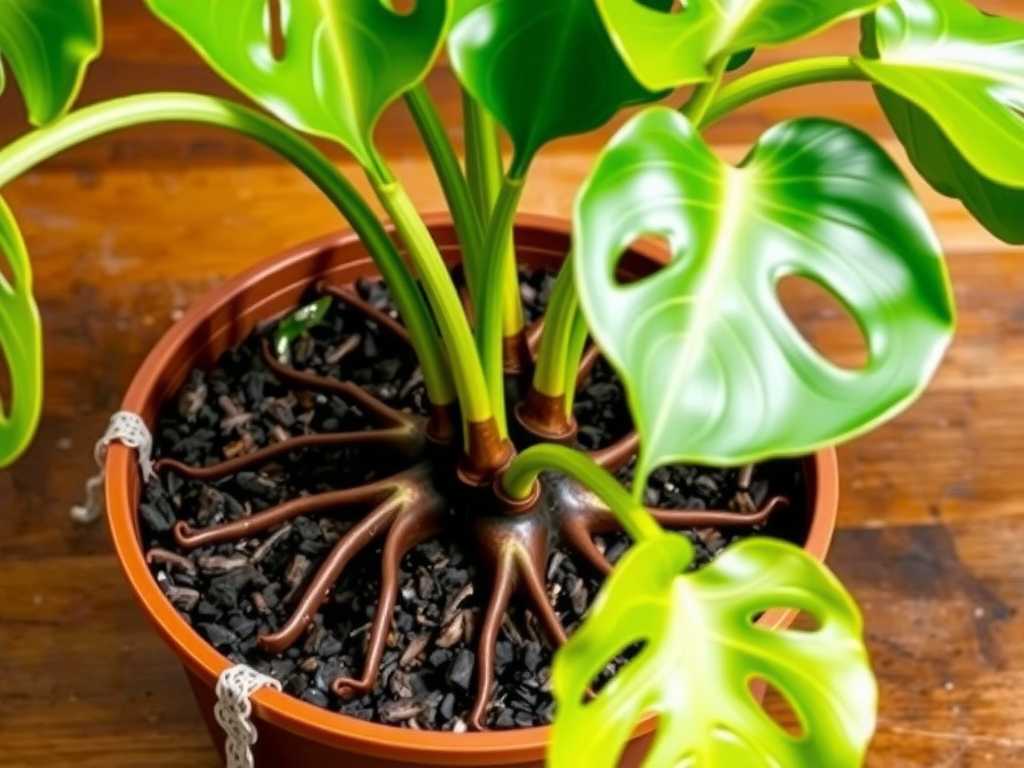
You’ve carefully snipped a beautiful Monstera cutting, placed it in water or moss, and are waiting for those first promising roots to appear. Days turn into weeks, and instead of vigorous growth, you might see a stagnant stem, a yellowing leaf, or worse—a rotting node. The frustration is real. Often, the missing link between a failed propagation attempt and a thriving new plant is one critical factor: humidity. Understanding and mastering Monstera propagation humidity is the secret to unlocking faster, stronger, and healthier root development.
While light, water, and node selection are crucial, humidity directly influences your cutting's ability to retain moisture and channel energy into creating roots rather than simply surviving. This guide will demystify the role of atmospheric moisture and provide you with practical, effective methods to create the ideal environment for success.
Why Humidity is the Game-Changer for Monstera Cuttings
A freshly cut Monstera stem is in a vulnerable state. It has lost its connection to the mother plant’s root system, its primary water source. Until it develops its own aquatic or soil roots, it relies on absorbing moisture through its stem and, to a lesser extent, its leaves. In low-humidity environments, the rate of transpiration (water loss through leaves) can outpace the cutting's limited ability to absorb water, leading to dehydration stress.
This stress forces the cutting to focus on conservation rather than growth. Adequate humidity creates a protective bubble, drastically reducing water loss. According to horticultural principles, a high-humidity microenvironment minimizes stress on the plant's tissues, allowing it to dedicate its stored energy and resources almost exclusively to the vital task of boosting root growth in Monstera. It’s the difference between your cutting merely surviving and actively thriving.
The Ideal Humidity Range for Propagating Monstera
So, what is the magic number? For optimal Monstera propagation, aim to maintain a relative humidity level of 70% or higher. This range significantly slows transpiration without encouraging fungal issues that can arise in stagnant, ultra-saturated air.
At levels below 50%, cuttings are at high risk of drying out, especially if they have aerial roots or large leaves. You might notice leaf edges curling or browning as the first sign of humidity deficit. While mature Monsteras can adapt to average household humidity (often 30-50%), your unrooted cuttings need that extra tropical boost to get started.
Practical Methods to Increase Humidity for Propagation
You don’t need a professional greenhouse to achieve these levels. Here are several effective techniques, from simple to more involved.
The Plastic Bag or Dome Method This is the most accessible and highly effective DIY humidity dome. After placing your cutting in its moist medium (sphagnum moss, perlite, or soil), simply cover the entire pot with a clear plastic bag. Use sticks or chopsticks to prop the bag up so it doesn’t touch the leaves. This creates a miniature biosphere. Open the bag for 15-30 minutes every few days to allow fresh air exchange and prevent mold.
Using a Propagation Box (The "Takeaway Tek") A clear plastic storage box with a lid makes an excellent propagation chamber. Line the bottom with moist sphagnum moss or perlite, place your cuttings inside, and close the lid. You have just created a controlled, high-humidity environment perfect for accelerating Monstera root development. Monitor for condensation; if the box is completely fogged, crack the lid slightly for airflow.
Investing in a Humidifier For the serious plant propagator, a cool-mist humidifier is a worthwhile investment. Placing it near your propagation station allows you to consistently maintain the ideal range for multiple cuttings at once. This method is excellent for providing consistent humidity without the need for individual bagging.
The Role of Sphagnum Moss in Maintaining Moisture While not a method for increasing ambient air humidity, using moist (not soggy) sphagnum moss as a propagation medium is a game-changer. It holds immense amounts of moisture around the stem and nodes while still allowing air circulation. This creates a localized, high-humidity root zone that is incredibly effective for encouraging plump, healthy aerial and soil roots.
Balancing Humidity with Airflow to Prevent Rot
High humidity is essential, but without airflow, it becomes a recipe for fungal and bacterial growth, leading to stem rot. This is the critical balance. Your goal is humid air, not wet, stagnant air.
Ensure your propagation setup has periodic air circulation. Whether it’s opening a bag daily, cracking the lid of a box, or using a small, oscillating fan on low in a room (not directly blowing on cuttings), airflow is non-negotiable. It strengthens the developing tissues and keeps pathogens at bay. A study on plant pathology consistently shows that stagnant, humid conditions are the primary driver of damping-off and stem rot in cuttings.
Signs Your Humidity Levels Are Incorrect
- Too Low: Slow or stalled root growth, curling or crispy leaf edges, overall wilting or drooping of the cutting despite moist medium.
- Too High with Poor Airflow: Appearance of fuzzy white or gray mold on the medium or stem, a soft, mushy, or blackened stem (rot), yellowing leaves that fall off easily.
Transitioning Your Rooted Cutting to Lower Humidity
Once your Monstera cutting has developed a robust root system (at least 3-4 inches long with secondary roots), it’s time to acclimate it to normal room conditions. This process, called hardening off, prevents transplant shock.
Do not move a plant from 80% humidity directly to 40%. Over 7-10 days, gradually reduce the humidity. Increase the ventilation in your dome, open the propagation box lid for longer periods each day, or move the humidifier farther away. After this period, your young plant will be much better prepared for life in its new pot and your home environment.
Expert Insight for Advanced Success
Renowned horticulturist and author, Jane Perrone, emphasizes the connection between humidity and energy: "A cutting in high humidity isn't fighting for hydration. Its energy budget is freed up for the complex biochemical process of root initiation and cell division. It’s about reducing stress to promote growth." This expert view underscores that managing humidity for Monstera cuttings is about creating a low-stress foundation.
Frequently Asked Questions
Can I propagate Monstera in water without extra humidity? Yes, water propagation can be successful in average humidity because the stem is constantly submerged, solving the hydration issue. However, the exposed leaves still experience transpiration. Adding humidity, even for water props, will reduce leaf stress and can lead to even faster and healthier root growth.
My cutting is in a humid dome but not rooting. What’s wrong? Humidity is just one factor. Check that your cutting includes a node (the root growth point), that it’s receiving bright, indirect light, and that temperatures are warm enough (70-75°F or 21-24°C is ideal). Also, ensure the medium (moss, water) is fresh and clean.
How long should I keep my cutting in high humidity? Maintain high humidity consistently until the root system is well-established. For a single leaf/node cutting, this may be until roots are several inches long. For a larger top cutting, it may need support until new leaf growth emerges, indicating the roots are fully functional. Always harden off before removing the humidity source completely.
Mastering Monstera propagation humidity transforms the process from a guessing game into a reliable science. By creating that nurturing, tropical-like atmosphere, you provide your cuttings with the ultimate support system. You’re not just waiting for roots; you’re actively engineering the conditions that make robust root growth inevitable. Start by choosing one method—a simple bag or a propagation box—and observe the remarkable difference it makes. Your patience, paired with this controlled environment, will be rewarded with a strong, independent plant ready to grow and thrive for years to come.
发表评论