 admin
admin The Ultimate Guide to Monstera Propagation Tools: Essential Supplies You Need
You’ve admired the stunning fenestrations of a mature Monstera deliciosa and decided it’s time to grow your own collection. You carefully make a cutting, place it in a glass of water, and wait. Weeks pass, but instead of robust roots, you’re met with a slimy stem, yellowing leaves, or worse—rot. This frustrating scenario is all too common, and often, the culprit isn’t a lack of skill but a lack of the right Monstera propagation tools. Using improper or makeshift supplies can turn an exciting project into a disappointing one. This guide will walk you through every essential tool and supply, transforming you from a hopeful beginner into a confident propagator, ready to multiply your Swiss Cheese plants successfully.
Having the correct toolkit is not just about convenience; it’s about creating the optimal environment for your cutting to thrive. It minimizes stress on the plant, maximizes your success rate, and makes the entire process more enjoyable and systematic. Let’s build your propagation kit from the ground up.
The Foundation: Cutting and Preparation Tools
Before any root touches water or soil, the initial cut sets the stage for everything that follows. Using the wrong tool here can cause damage that hinders root development.
Sharp, Sterile Pruning Shears or Scissors This is the most critical tool in your kit. A clean, sharp cut is essential. Dull blades crush and tear the plant’s vascular tissues, creating a wound that is more susceptible to infection and slower to heal. Always use bypass pruners or sharp, fine-point scissors designed for plants.
Sterilization is equally important. Wiping your blades with isopropyl alcohol (70% or higher) before and after each use prevents the transfer of bacteria or fungi from one plant to another. Think of it as surgery for your plant—cleanliness is paramount.
Supporting Supplies for the Cut Once you have your cutting, you’ll need a few more items for preparation. Rubbing alcohol and clean cotton pads or paper towels for sterilization are mandatory. Having a clean cutting board or mat dedicated to plant work provides a stable, disinfected surface.
For applying rooting hormone (which we’ll discuss next), keep some disposable cups or small containers on hand. You never want to dip your cutting directly into the main hormone container to avoid contaminating the entire supply.
Rooting Aids: Giving Your Cuttings a Head Start
While many Monsteras will root in water alone, using a rooting aid can significantly speed up the process, encourage stronger root systems, and improve overall success rates, especially for more challenging cuttings.
Rooting Hormone: Powder, Gel, or Liquid? Rooting hormones contain auxins, natural plant hormones that stimulate root cell growth.
- Powder: The most common and affordable form. It’s easy to use—just dip the moistened stem end into the powder, tap off the excess, and plant. However, it can sometimes clump and may not adhere as well to the stem.
- Gel: This is often considered the most effective form. It coats the stem evenly, seals the cut site, and stays in place better than powder. It provides moisture and hormone directly to the wound.
- Liquid: Can be used for dipping or diluted for watering-in. It’s excellent for providing sustained hormone exposure.
For Monstera propagation, a standard powder or gel rooting hormone is perfectly adequate. The key is a light, even application on the freshly cut node area.
Sphagnum Moss: The Versatile Medium Propagating Monstera in sphagnum moss has become a hugely popular method, and for good reason. It’s a fantastic tool for Monstera propagation that offers a balance between water and air propagation. Moss retains moisture beautifully while still allowing for crucial oxygen flow to the developing roots, reducing the risk of rot. You’ll need:
- High-quality, long-fiber sphagnum moss.
- A container (like a clear plastic cup or jar).
- Possibly some plastic wrap or a propagation box to maintain humidity.
This method allows you to visibly monitor root growth without disturbing the cutting, much like water propagation, but often results in roots that transition to soil more easily.
The Vessels: Choosing Your Propagation Medium Home
Where your cutting spends its rooting days is a major decision. The vessel supports the plant and contains your chosen medium.
Classic Water Propagation Jars and Vessels The simplest method requires a clear glass jar, vase, or cup. Clarity is beneficial as it allows you to monitor root development and water clarity. Ensure the vessel’s opening appropriately supports the cutting, keeping the leaves out of the water and the node submerged. Narrow-necked bottles can help with support, but wide-mouth jars work well for larger cuttings with multiple nodes.
Specialized Propagation Stations For the dedicated plant enthusiast, dedicated propagation stations offer function and style. These often feature test tube-like vials or small jars held in a rack or stand. They keep cuttings organized, upright, and make it easy to change water without disturbing the roots.
Pots and Containers for Soil or Moss If you’re starting directly in a soil mix or sphagnum moss, choose a small pot with excellent drainage. Terracotta pots are breathable and help wick away excess moisture, while plastic nursery pots are lightweight and retain moisture longer. Always pair them with a saucer. For moss propagation, clear plastic cups are ideal as they let you see root growth.
The Essentials: Supporting Supplies for Success
Beyond the core tools, these supporting items create the ideal microenvironment for root growth.
The Right Water: Not All H2O is Equal Tap water is convenient, but chlorine and chloramines can be harsh on delicate new roots. Letting tap water sit out for 24 hours allows chlorine to dissipate. For better results, use filtered water, rainwater, or distilled water. This minimizes mineral buildup and provides a purer environment. A small watering can with a narrow spout is perfect for topping up vessels.
Light and Location: The Energy Source Your cutting needs bright, indirect light to fuel photosynthesis and root growth. A north or east-facing window is ideal. Direct hot sun will scorch leaves and overheat the water. If natural light is limited, a basic LED grow light can provide consistent, gentle light without the heat of traditional bulbs.
Humidity Helpers While not always mandatory, maintaining higher humidity can prevent leaf dehydration, especially for cuttings with large leaves. You can:
- Use a clear plastic bag loosely placed over the cutting and pot.
- Employ a humidity dome designed for seed starting.
- Group your propagating cuttings together to create a microclimate.
- Use a small room humidifier nearby.
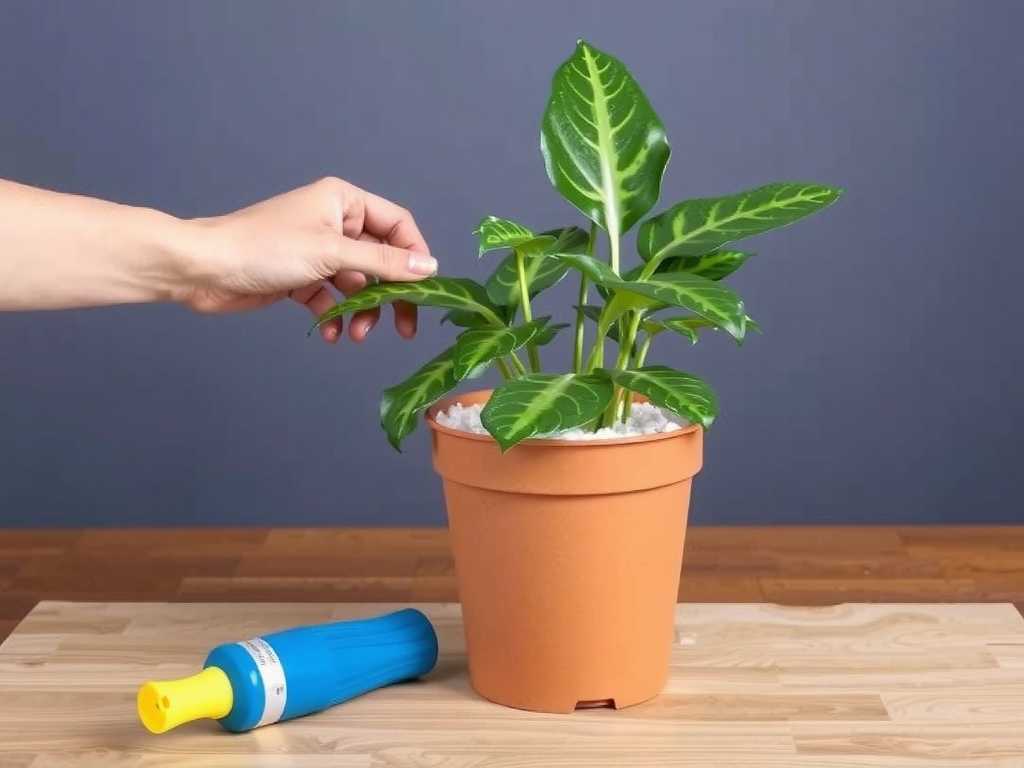
Monitoring and Maintenance Tools Keep a spray bottle filled with water for lightly misting aerial roots or moss. Long tweezers or chopsticks are invaluable for gently positioning cuttings or checking root growth in moss. Most importantly, practice patience. Roots can take weeks to appear. Check water levels weekly and change the water completely if it looks cloudy.
How long does it take for a Monstera cutting to root? In warm conditions with bright, indirect light, you can expect to see the first white, nub-like roots emerging from a node in 2-4 weeks. Substantial roots suitable for potting may take 2-3 months. Propagation in sphagnum moss or with rooting hormone can sometimes accelerate this timeline.
Can I propagate a Monstera leaf without a node? No, a leaf alone, even with a piece of stem, will not grow into a new plant if it does not include a node. The node is the growth point containing the cells needed to produce both roots and new stems. A leaf without a node may root in water but will eventually die.
What is the most foolproof method for beginners? Water propagation is generally considered the simplest and most foolproof method for beginners. It requires minimal supplies (just a jar and water), allows for easy root monitoring, and reduces the risk of overwatering issues that can occur in soil. Once roots are a few inches long, you can transition the cutting to soil.
发表评论