 admin
admin Monstera Cutting Without Node: Can It Root? (Answer & Fixes)
You’ve snipped a beautiful piece of your Monstera deliciosa, only to realize with a sinking feeling that you might have missed the most crucial part—the node. Now you’re left holding a stunning leaf with a long stem, wondering if this cutting has any chance at life. It’s a common, frustrating moment for many plant enthusiasts. The short, direct answer is no, a Monstera cutting without a node cannot develop roots and grow into a new plant. But don’t discard that cutting just yet. Understanding the “why” behind this rule and knowing your potential fixes can turn this disappointment into a valuable learning experience.
Why a Node is Non-Negotiable for Propagation
To understand why your node-less cutting won’t root, we need to look at plant biology. A node is a specific point on a plant’s stem where leaves, branches, and aerial roots emerge. It contains specialized tissues called meristems, which are essentially hubs of undifferentiated cells. Think of these cells as the plant’s stem cells—they have the unique ability to divide and develop into various new tissues, such as roots or new stems.
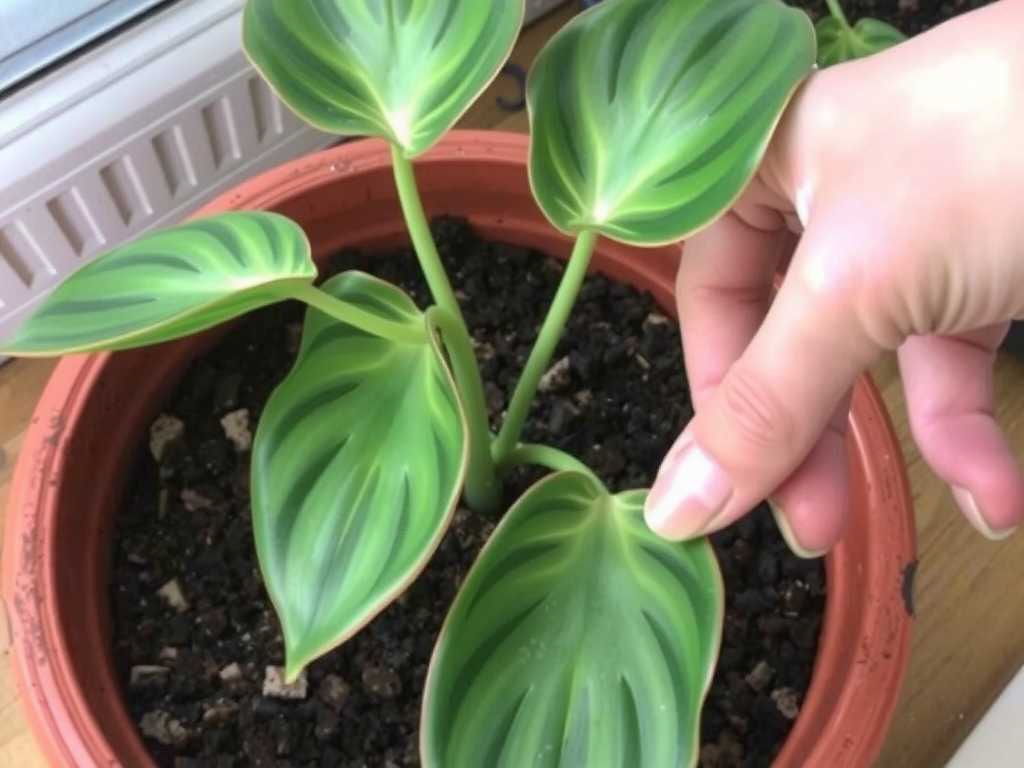
When you take a proper cutting that includes a node, you are harvesting a complete growth center. The meristematic tissue at the node can be triggered by moisture and warmth to produce adventitious roots. The stem below the node simply serves as a conduit; it cannot generate new growth points on its own. A cutting consisting of only a leaf and an internode (the stem section between two nodes) lacks this essential cellular machinery. As noted by horticulturist Dr. Linda Chalker-Scott, “Propagation success hinges entirely on the presence of meristematic tissue. Without it, you have a beautiful but ultimately terminal leaf cutting.”
What You Can Do With a Leafless Node vs. a Node-Less Leaf
This is the critical distinction that often causes confusion.
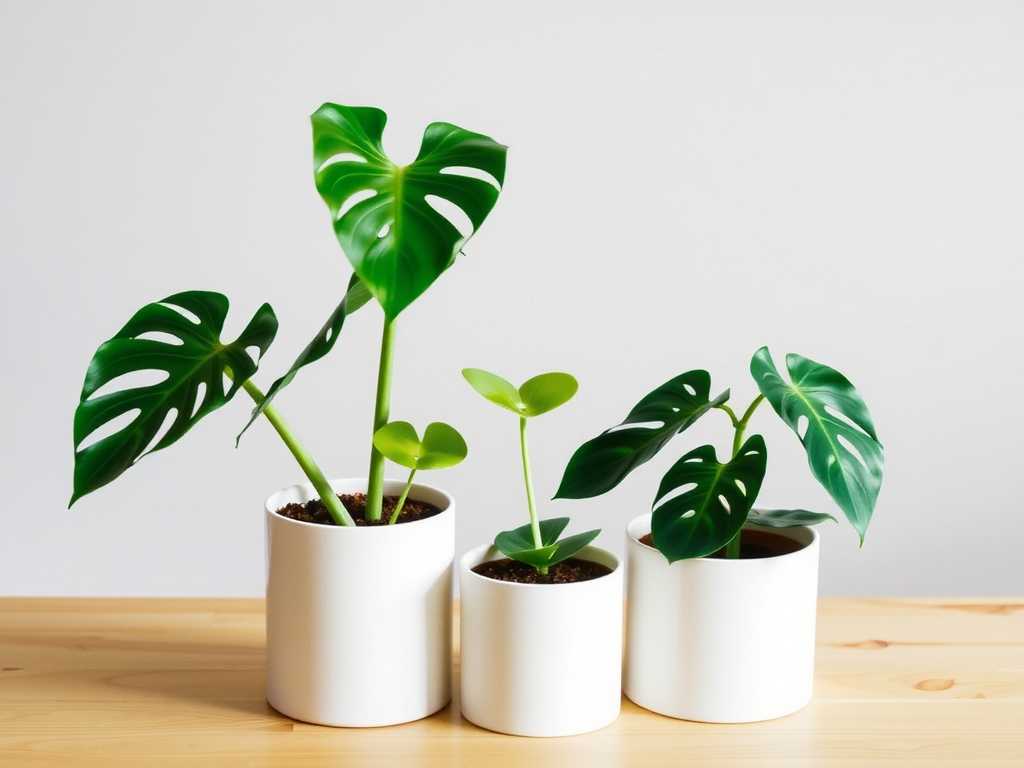
- A Leafless Node CAN Root: If you have a section of stem with a healthy node but no leaf (or a tiny, emerging leaf), you are in luck. This is often called a “wet stick.” Place it in water or sphagnum moss, and given the right conditions, the node’s meristem will activate, first producing roots and then a new leaf shoot.
- A Node-Less Leaf CANNOT Root: This is your current situation—a leaf with a stem that has no nodes. The leaf may even produce some white, fibrous structures from the cut end if placed in water. These are often callus tissue or remnants of vascular strands, not true, organized roots with root caps and the capacity for growth. The leaf may survive for weeks or even months, drawing on its stored energy, but it will eventually yellow and die without ever producing a new plant.
Immediate Fixes and Salvage Operations
Before you give up, try these steps to potentially salvage the situation.
1. Re-examine Your Cutting Meticulously Sometimes, what looks like a bare stem may have a tiny, underdeveloped node bump. Carefully inspect the area where the leaf petiole meets the main stem. Look for any slight swelling, a faint ring around the stem, or the tiniest brownish bump that could be a dormant aerial root bud. Use a magnifying glass. If you find even a hint of a node, adjust your propagation setup to keep that specific area submerged in water or pressed against moist sphagnum moss.
2. Attempt the “Split-Stem” Method (A Long Shot) If your stem piece is long, you have one speculative option. Using a sterile, sharp blade, carefully split the bottom inch of the stem lengthwise into two or four quarters. This dramatically increases the surface area of the inner cambium layer. Dip it in a quality rooting hormone and place it in water. The theory is that this may encourage callusing over a larger area, which might, in rare instances, trigger root initiation from non-nodal tissue. Success rates are extremely low, but it is an experimental last resort for a cutting you were otherwise prepared to compost.
3. Use It as a Decorative Element Your node-less Monstera leaf is still a gorgeous, vibrant piece of foliage. Place it in a elegant vase with fresh water, much like you would a cut flower. It can brighten up your space for a significant time. Change the water weekly to prevent bacterial growth. This isn’t propagation, but it’s a wonderful way to appreciate its beauty and extend its life.
How to Take a Perfect Monstera Cutting Next Time
Let this experience ensure your future propagation success. Here is the fail-proof method.
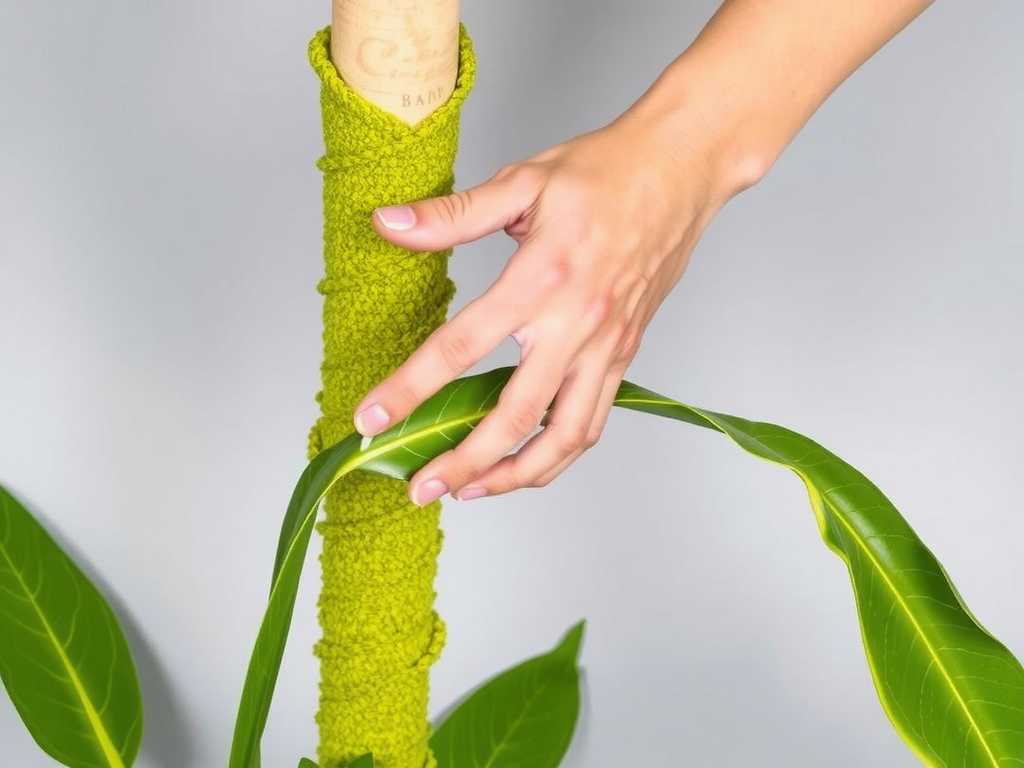
Identify the Right Node: Look for a healthy, mature stem section. The node is a brownish, ring-like band, often with one or more aerial roots (thick, nubby, brown growths) already emerging. Choose a section with at least one leaf, and if possible, an aerial root.
Make a Clean Cut: Using sterilized pruning shears or a sharp knife, cut about a half-inch below the identified node. This ensures the node is included on your cutting. Your cutting should include the node, the stem below it, and at least one leaf.
Choose Your Propagation Medium: You have two excellent choices.
- Water Propagation: Place the cutting in a jar so the node is fully submerged. Roots typically appear from the node in 2-4 weeks. Change the water weekly.
- Sphagnum Moss Propagation: Soak sphagnum moss, wring it out until it’s moist like a damp sponge, and place it in a clear container. Nestle the node into the moss. The high humidity and airiness of moss encourage strong root growth and allow you to monitor progress.
Provide Optimal Conditions: Whether in water or moss, place your cutting in a spot with bright, indirect light and warm temperatures (65-80°F or 18-27°C). Patience is key.
Frequently Asked Questions
Can a Monstera leaf grow roots in water? It may produce white, thread-like structures from the cut stem, but these are not functional roots capable of sustaining new growth. Without a node, the leaf lacks the cells needed to create a root system and a new growth point, so it will not develop into a plant.
How long will a Monstera leaf without a node last? When placed in fresh water and kept in a cool, bright spot away from direct sun, a single Monstera leaf can remain green and decorative for several weeks to a few months. Its lifespan is similar to that of most cut flowers, relying solely on its internal water and nutrient reserves.
What’s the difference between an aerial root and a node? The node is the primary growth point on the stem—the “command center.” An aerial root is a structure that grows from the node. While a cutting with both a node and an aerial root often roots faster, the aerial root alone cannot produce a plant. The node itself is the indispensable component.
While a stem without a node cannot start a new Monstera deliciosa journey, it doesn’t have to be a total loss. Use it as a chance to master node identification for next time. Propagating plants successfully is a skill built on understanding their fundamental biology. By ensuring your future cuttings always include that essential bump of meristematic tissue, you’ll transform from hopeful snipper to confident propagator, ready to fill your home with thriving, new Monsteras.
发表评论