 admin
admin Monstera Propagation Rooting Hormone: To Use or Not?
You’ve just made the perfect cut on your prized Monstera deliciosa, holding a beautiful stem with a node and a lush aerial root. Now, as you prepare to place it in water or moss, you hesitate. A small bottle of rooting hormone powder sits on your shelf. Should you use it? Will it guarantee success, or could it potentially harm your precious cutting? This dilemma is common among plant enthusiasts eager to expand their collection but wary of introducing unnecessary chemicals. The decision isn't always straightforward, and understanding the science and practical application is key to confident propagation.
This guide will demystify rooting hormones for Monstera propagation. We’ll explore what they are, their proven benefits, potential drawbacks, and clear, step-by-step instructions for their safe use. By the end, you’ll be equipped to make an informed choice tailored to your specific propagation method and plant parenting style.
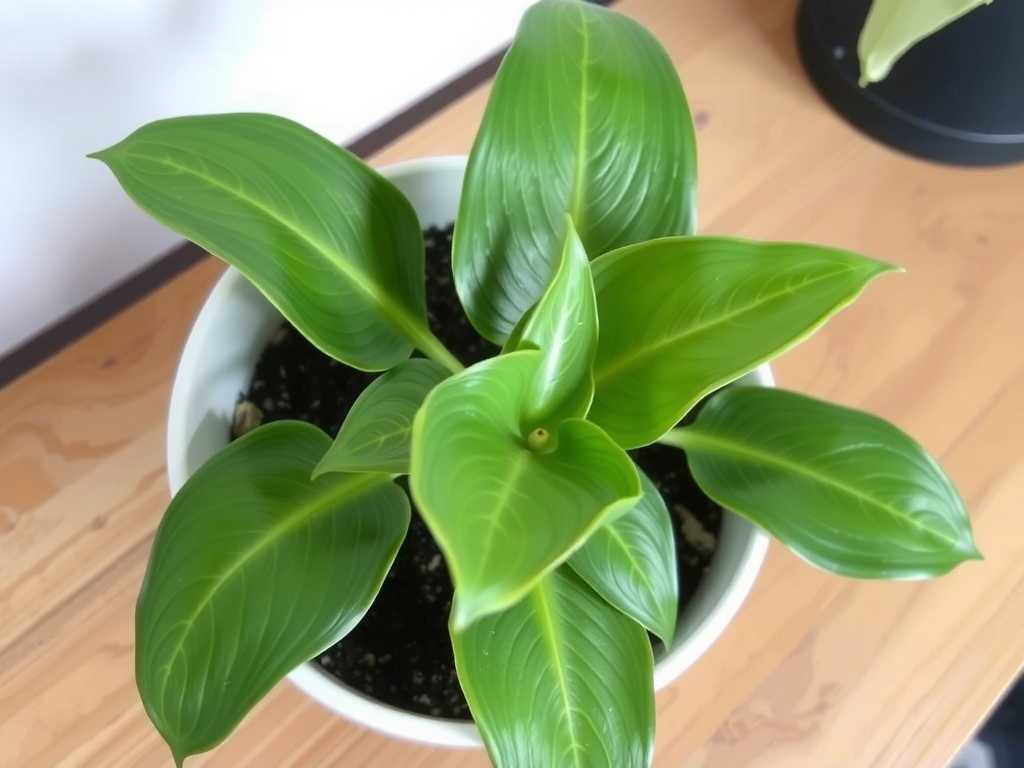
What Exactly is Rooting Hormone?
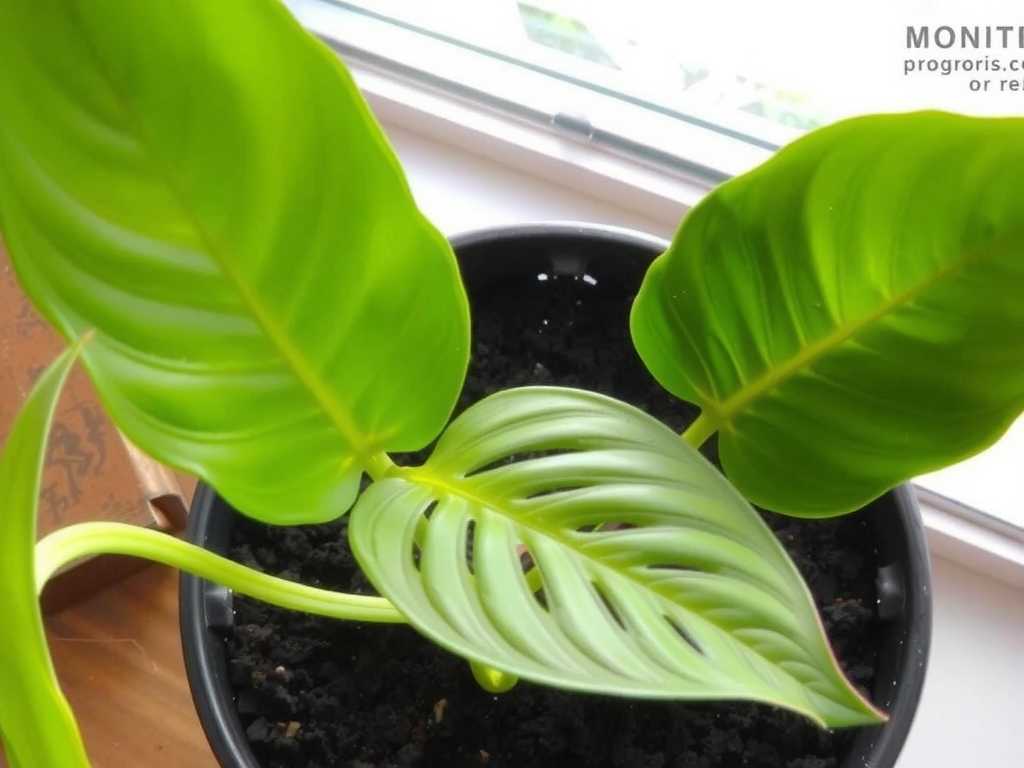
At its core, rooting hormone is a synthetic or naturally derived substance that mimics auxins—the plant hormones responsible for cell growth and root development. When you take a cutting, you sever it from its main source of these hormones. Applying a rooting supplement provides a concentrated boost at the cut site, stimulating the plant cells to differentiate and form root primordia, the tiny beginnings of new roots.
Most commercial powders, gels, or liquids contain one of these active ingredients:
- Indole-3-butyric acid (IBA): The most common and widely effective synthetic auxin for a broad range of plants, including Monsteras.
- 1-Naphthaleneacetic acid (NAA): Often used in combination with IBA to enhance effectiveness.
- Natural alternatives: Some products use compounds derived from willow bark (salicylic acid) or other plants, though their concentration and efficacy can be less consistent than synthetic versions.
A study published in the Journal of Environmental Horticulture noted that the application of IBA-based rooting hormones significantly increased the root number and overall root mass in woody ornamental cuttings compared to untreated controls. This scientific backing highlights their potential utility.
The Potential Benefits: Why You Might Consider Using It
For many propagators, especially beginners or those working with valuable cuttings, rooting hormone offers several compelling advantages.
Increased Success Rate and Faster Rooting The primary benefit is improved reliability. While Monsteras are generally easy to propagate, a hormone can tip the scales in your favor, particularly for cuttings that are less than ideal—perhaps with a smaller node or a less vigorous aerial root. It can accelerate the rooting process by days or even weeks, getting your new plant established more quickly. Horticulture expert Dr. Linda Chalker-Scott, in an article for the University of Washington, acknowledges that while not always necessary, rooting hormones can improve the uniformity and speed of root development in many species.
Support for Challenging Propagations If you are attempting to propagate a rare variegated Monstera like an Albo or Thai Constellation, where each cutting is incredibly valuable, minimizing risk is paramount. Using a rooting hormone can provide an extra layer of insurance. It’s also highly recommended for propagating from less vigorous parts of the plant, such as a stem section without a leaf (a wet stick), where the plant’s natural hormone reserves are lower.
Enhanced Initial Root System Development A strong start matters. Cuttings treated with hormone often develop a denser, more robust initial root system. This "root vigor" translates to a smoother transition when you eventually pot the cutting into soil, as the plant is better equipped to uptake water and nutrients immediately.
The Drawbacks and Considerations: Why You Might Skip It
Rooting hormone is not a magical potion, and its misuse can lead to problems. Understanding the potential downsides is crucial for making an informed decision.
Risk of Over-Application and Damage The most common error is using too much. A thick coating of powder can form a barrier that actually prevents root emergence and may burn the tender stem tissue, leading to rot. The mantra "less is more" is essential. Furthermore, hormone is typically applied to the stem and node area; it should never be applied to leaves or the emerging root tips themselves.
Not Always Necessary for Easy-Going Monsteras Monstera deliciosa is notoriously resilient. A healthy cutting with a node and an aerial root placed in water or moist sphagnum moss will almost certainly root on its own without any added assistance. Many experienced plant lovers successfully propagate dozens of Monsteras using just water. Adding hormone in these straightforward cases is an optional step, not a requirement.
Environmental and Personal Preference Factors Some gardeners prefer a completely organic or chemical-free approach to plant care. For them, the use of synthetic hormones feels unnecessary. Additionally, proper environmental conditions—consistent warmth (70-75°F or 21-24°C), bright indirect light, and high humidity—are far more critical for propagation success than any additive. A hormone cannot compensate for poor lighting or cold, drafty conditions.
A Step-by-Step Guide to Using Rooting Hormone Correctly
If you decide to use rooting hormone, correct application is everything. Follow these steps for the best results.
1. Preparing Your Monstera Cutting Start with a healthy mother plant. Using a sterile, sharp blade (pruners or a knife), take a cutting that includes at least one node and, ideally, one leaf. An aerial root is a major bonus. Make a clean, angled cut just below a node. Allow the cut end to callous over for about an hour. This step is vital, as applying hormone to a freshly cut, wet surface can dilute the powder and increase rot risk.
2. The Application Process: Less is More Shake a small amount of powder into a separate container—never dip the cutting directly into the original jar to avoid contamination. Lightly moisten the bottom inch of the stem, focusing on the node area. Dip this moistened section into the powder, ensuring a thin, even coating. Gently tap off any excess. The goal is a barely visible dusting.
3. Planting and Post-Application Care Immediately place the treated cutting into your chosen medium. Do not let it dry out first.
- For Water Propagation: Place the cutting in a clean jar of water, ensuring the powdered node is submerged. Change the water weekly.
- For Sphagnum Moss/Perlite: Use pre-moistened moss or perlite. Insert the cutting and place the container in a warm, bright spot. Keep the medium consistently moist but not soggy.
Maintain high humidity around the leaves (a clear plastic bag or propagation box works well) and provide bright, indirect light. Be patient; roots may appear in 2-6 weeks.
Natural Alternatives to Commercial Rooting Hormones
For those seeking an organic boost, several home remedies are popular. Willow water, made by steeping young willow twigs, contains salicylic acid, which can encourage rooting and fight disease. Similarly, a dilute honey solution (for its antibacterial properties) or aloe vera gel (which contains natural growth enzymes) are sometimes used. While these methods lack the consistent potency of synthetic IBA, they can offer a gentle, chemical-free nudge and are excellent for cuttings that are already very likely to succeed on their own.
Frequently Asked Questions
Can rooting hormone harm my Monstera cutting? Yes, if used incorrectly. Applying too much can burn the stem and inhibit rooting. Always use a minimal amount and apply it only to the calloused stem and node, not to leaves or roots. Proper cutting preparation and environmental care are more important than the hormone itself.
Is it better to use powder, gel, or liquid rooting hormone for Monsteras? For beginners, powders are often easiest to control for a light application. Gels can provide better adhesion to the stem. Liquids are typically used for soaking and are more common in commercial settings. The active ingredient (like IBA) is more important than the form. Choose a reputable brand and follow its specific instructions.
Do I need to use rooting hormone when propagating in water? It is not necessary. Many Monsteras root readily in water alone. However, using a hormone can potentially speed up the process and lead to a more robust initial root system. If you use it in water, ensure you change the water regularly to prevent bacterial growth around the powdered stem.
The choice to use Monstera propagation rooting hormone ultimately depends on your confidence, the value of your cutting, and your personal gardening philosophy. For high-stakes propagations or to maximize success rates, a light, correct application of an IBA-based product is a valuable tool. For standard, healthy Monstera cuttings, you can achieve excellent results with just clean water, a suitable medium, and optimal care. The most critical factors remain a healthy parent plant, a proper cutting with a node, and a supportive environment. Whether you choose to use a hormone or not, understanding the process empowers you to propagate your Monsteras successfully and watch your indoor jungle thrive.

发表评论