 admin
admin The Ultimate Monstera Soil Propagation Mix Recipe for Fast, Healthy Roots
You’ve carefully taken a beautiful Monstera cutting, placed it in water, and watched with excitement as those first white roots appear. But then comes the tricky part: transitioning your water-propagated Monstera to soil. This is where many plant lovers face disappointment. The roots, accustomed to water, often struggle to adapt, leading to transplant shock, root rot, and a once-promising cutting that wilts away. The secret to avoiding this heartbreak isn’t just in the propagation method—it’s in the soil. Using the wrong medium is the single biggest mistake in Monstera propagation. This guide will provide you with the definitive, expert-backed recipe for the best Monstera soil propagation mix, ensuring your cuttings develop a robust, soil-ready root system from the start.
Why Your Monstera Propagation Mix Matters More Than You Think
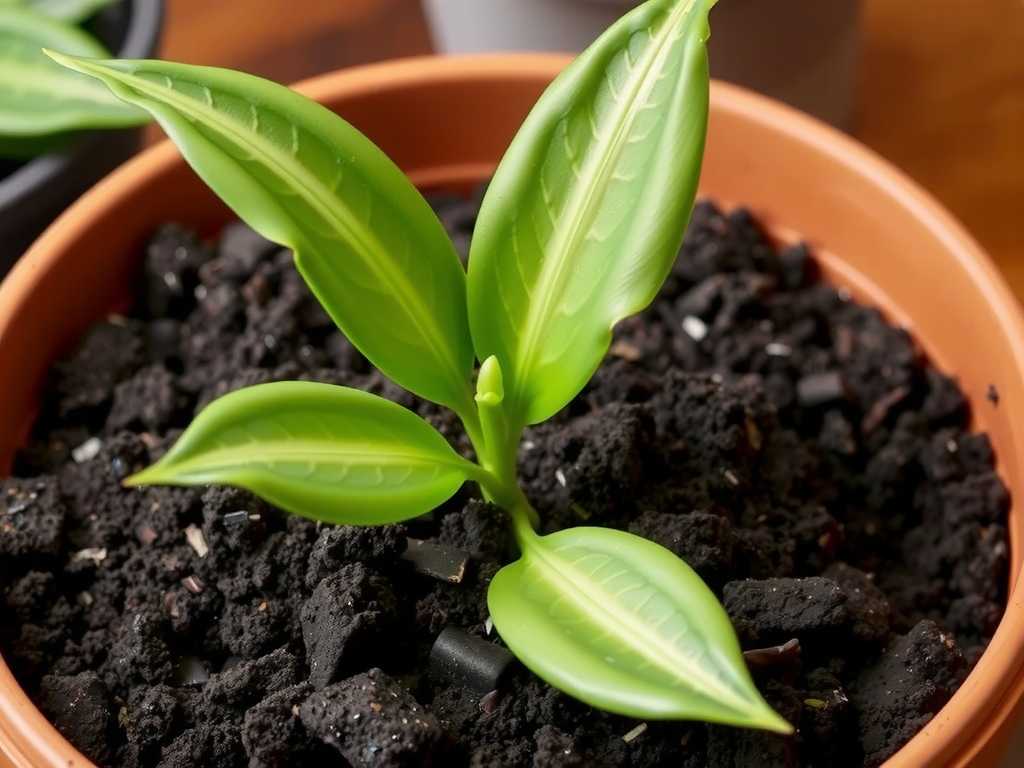
Monstera deliciosa, in its natural habitat, roots in the chunky, airy, and well-draining forest floor. Its roots demand oxygen as much as they demand moisture. A standard, dense potting soil suffocates delicate new roots, holds excessive water, and creates a breeding ground for pathogens. The goal of a dedicated propagation mix is to mimic those ideal natural conditions: providing structural support, consistent (but not excessive) moisture, and unparalleled airflow to encourage rapid root cell development and prevent rot.
Experts from institutions like the University of Florida IFAS Extension emphasize the importance of a sterile, well-aerated medium for successful propagation. A tailored mix directly addresses the core needs of a cutting, which has no established root system to seek out water or recover from stress.
Deconstructing the Perfect Monstera Soil Propagation Mix Recipe
This recipe is designed for simplicity and effectiveness. It balances moisture retention with drainage and aeration, creating the perfect nursery for your Monstera cuttings.
The Core Ingredients:
- Coarse Perlite (40%): This is the non-negotiable champion of aeration. These white, porous volcanic rocks create permanent air pockets in the mix, ensuring roots can breathe. They are sterile and help wick away excess moisture. For propagation, choose coarse or chunky perlite over the fine variety for better structure.
- Coconut Coir or Sphagnum Peat Moss (40%): This component provides the necessary moisture retention.
- Coconut Coir: A sustainable choice made from coconut husks. It’s excellent at holding water while rewetting easily and has a naturally airy texture. It is also typically pH neutral.
- Sphagnum Peat Moss: A classic, highly acidic ingredient that holds significant water. It can be harder to rehydrate once dry. Pre-moisten it thoroughly before mixing.
- Orchid Bark (20%): Specifically, small to medium-sized pine or fir bark chips. This ingredient introduces chunkiness, mimicking the Monstera’s epiphytic tendencies. It improves drainage, adds long-term structure, and provides surfaces for roots to anchor to as they grow.
The Simple Method: In a large container, combine 4 parts perlite, 4 parts coir (or peat), and 2 parts orchid bark. Mix thoroughly until the components are evenly distributed. Before planting your cutting, lightly moisten the mix so it is damp like a wrung-out sponge, not soggy.
Advanced Additives for the Enthusiast
For those looking to optimize further, consider these optional additions:
- Horticultural Charcoal (A handful): Helps absorb impurities and toxins, can slightly improve drainage, and has mild antifungal properties.
- Worm Castings (A small scoop, <10%): Introduce a gentle, organic source of nutrients that won’t burn new roots. It also improves the overall texture and microbial life of the mix.
Step-by-Step: Propagating Your Monstera in the Custom Mix
1. Taking and Preparing Your Cutting Use a sterile, sharp blade to take a cutting with at least one node (the brown, ring-like bump on the stem) and one healthy leaf. Allow the cut end to callous over for an hour or two to form a seal, reducing the risk of rot when planted.
2. Planting and Initial Care Fill a small pot with drainage holes with your pre-moistened propagation mix. Make a small hole and insert the cutting, ensuring the node is buried. Gently firm the mix around the stem for support. Place the pot in a location with bright, indirect light—never direct sun, which can cook your cutting. Maintain consistent warmth (70-80°F is ideal).
3. Watering and Monitoring Your Propagation This is where discipline is key. The top layer of the mix will dry out fairly quickly due to its airy nature. Check moisture by sticking your finger an inch into the pot. Water only when it feels barely damp. The goal is to maintain slight, even moisture, not wetness. Roots should begin to develop from the buried node within 2-4 weeks.
Common Pitfalls and How to Avoid Them
- Overwatering: The fastest killer. Your chunky mix dries from the top down, but moisture remains below. Trust the “finger test” over a schedule.
- Using a Pot That’s Too Large: A small cutting in a large pot sits in too much wet medium, encouraging rot. Choose a pot just big enough for the cutting.
- Skipping the Callousing Step: Planting a fresh, wet cut end invites bacteria into the stem. Always let it dry briefly.
- Neglecting Humidity: While not as critical as for some plants, moderate humidity (50-60%) can support a cutting with leaves. A simple pebble tray can help.
Transitioning to a Long-Term Monstera Potting Mix
Once your cutting has established a healthy network of roots that fill the small pot (you can check by gently tugging—if there’s resistance, roots are holding on), it’s ready for a standard pot. Do not use the propagation mix long-term, as it lacks sufficient nutrients. Repot into a more nutrient-rich but still well-draining Monstera potting mix, which might have a higher proportion of coir and compost, with less perlite. This transition will be seamless because the roots are already adapted to a perfect, airy structure.
Frequently Asked Questions
Can I propagate Monstera directly in soil? Absolutely. Direct soil propagation for Monstera is often more successful than water propagation because the roots develop in their final environment, eliminating transplant shock. The key is using the precise airy mix described above and being meticulous with moisture control.
How often should I water my Monstera cutting in this mix? There is no fixed schedule. Watering frequency depends on temperature, light, and humidity. Always perform the finger test. It may be every 5-7 days, but it could be longer. It’s better to err on the side of slightly dry.
My cutting has been in the mix for weeks and hasn’t grown new leaves. Is it a failure? Not necessarily. The plant’s initial energy is directed underground toward root development. As long as the stem is firm and the leaf (if present) is stable, it is likely establishing a strong root foundation. New leaf growth is a sign that this foundation is secure and the plant is ready to expand.
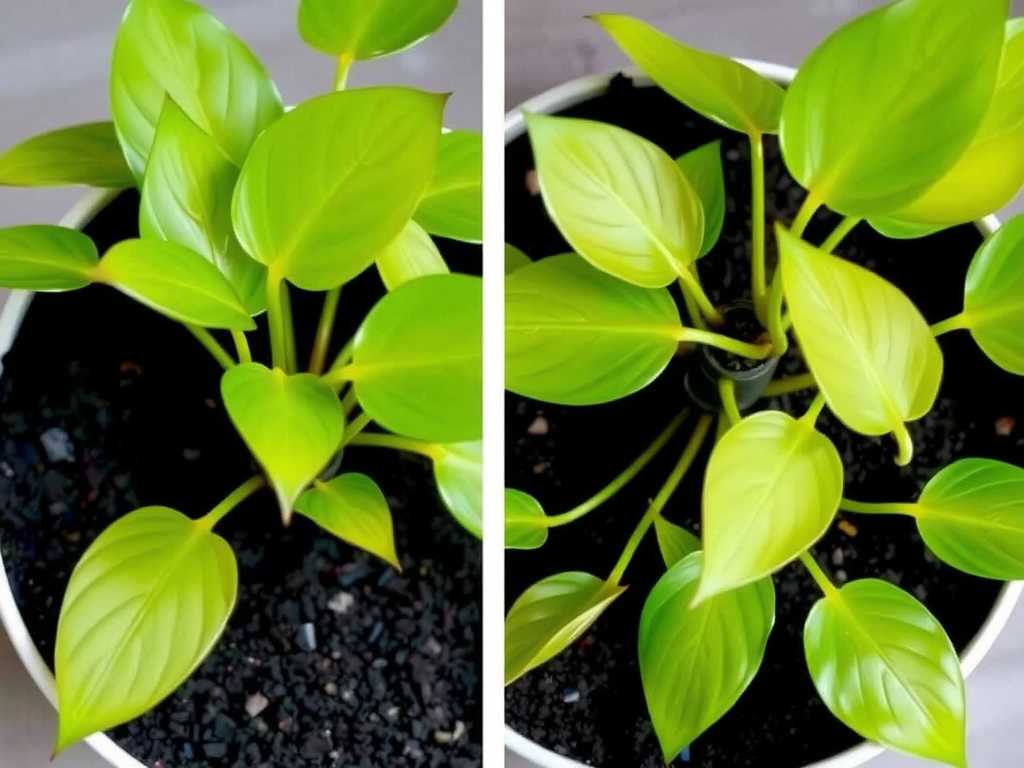
Successfully propagating a Monstera is a rewarding experience that hinges on understanding what the plant needs beneath the surface. By providing a mix that prioritizes oxygen and careful moisture management—using a simple blend of perlite, coir, and bark—you create the ideal foundation for vigorous growth. This method not only increases your success rate but also produces a stronger, more resilient plant from its very beginning. Give your cuttings the best start by building them the perfect home.

发表评论