 admin
admin The Ultimate Guide to Monstera Water Propagation: Mastering Water Changes and Preventing Root Rot
You've carefully snipped a beautiful Monstera cutting, placed it in a clear vase of water, and are eagerly awaiting those first signs of new roots. But then, anxiety creeps in. The water looks a bit cloudy. Is that a slimy film on the stem? Is your precious cutting doomed to rot before it even begins? If this sounds familiar, you're not alone. The journey of Monstera water propagation is thrilling, yet the twin challenges of maintaining pristine water and preventing fatal rot are the most common hurdles plant enthusiasts face. This guide is designed to transform that anxiety into confidence. We will dive deep into the critical practices of changing water during propagation and implementing foolproof strategies for preventing rot in water propagation, ensuring your Monstera cuttings thrive.
Why Water Quality is Non-Negotiable for Propagation
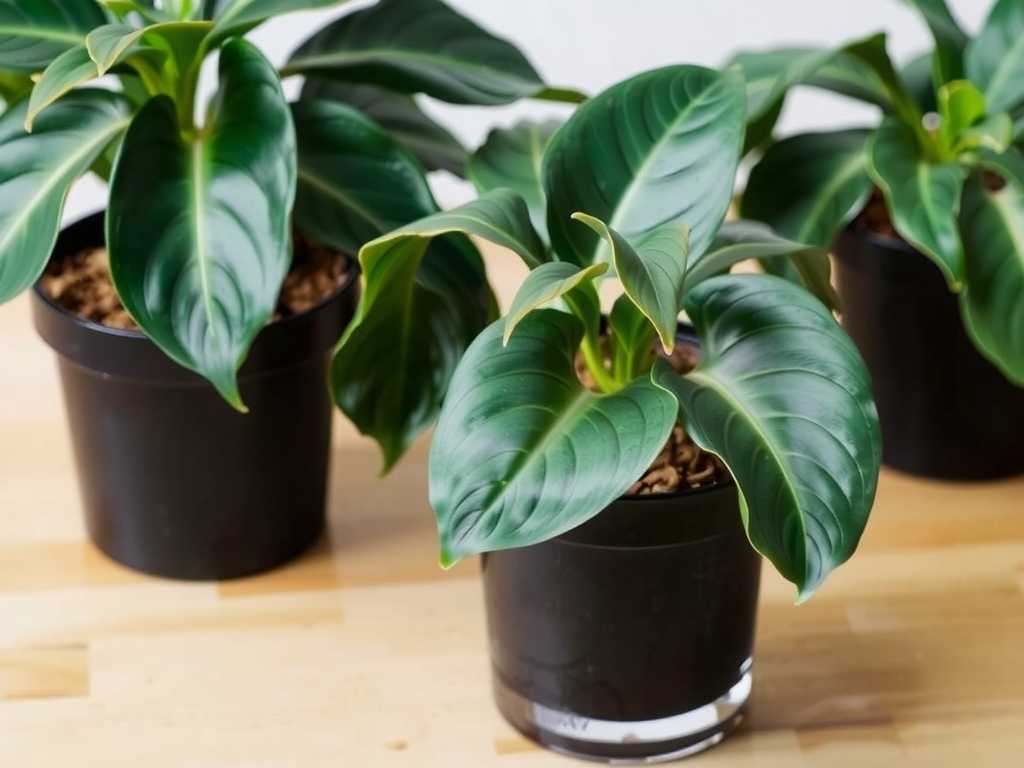
Think of the water in your propagation vessel as the cutting's entire world. It's the sole source of hydration and oxygen before roots form. Stagnant water quickly becomes a breeding ground for anaerobic bacteria and fungi, which compete with your cutting for oxygen and directly attack vulnerable stem tissues. This leads to the dreaded rot—a mushy, brown, and often smelly demise. Conversely, fresh, oxygen-rich water encourages healthy callus formation and stimulates the growth of robust, white roots. The simple act of changing the water for propagation is not just maintenance; it's the most proactive step you can take to ensure success.
The Step-by-Step Guide to Changing Your Propagation Water
A consistent and careful water-changing routine is the backbone of successful propagation. Here’s how to do it right.
Gathering Your Supplies You don't need much: a clean vessel (the original one is fine if washed), fresh room-temperature water (filtered or tap water left out for 24 hours is ideal to dissipate chlorine), and optionally, a soft brush or cloth for gentle cleaning.
The Gentle Cleaning Process First, carefully remove your Monstera cutting from its current water. Hold it by a leaf or a clean part of the stem, avoiding any nascent root bumps. Pour out the old water and thoroughly rinse the vessel with hot water. Use your brush to wipe away any algal film or bacterial biofilm—these slimy layers suffocate stems. This step of cleaning your propagation vessel is as crucial as changing the water itself.
Refilling with Care Fill the clean vessel with your prepared room-temperature water. Cold water can shock the cutting's tissues. Re-submerge the stem node(s), ensuring any aerial roots are underwater, but keep the leaves completely dry. Place the cutting back in its bright, indirect light location. A clear vessel allows you to monitor root progress and water clarity easily, a tip often emphasized by horticulturalists for educational purposes.
How Often Should You Change the Water? Frequency is key. A common recommendation is to refresh propagation water weekly. However, let conditions be your guide. If you notice the water becoming cloudy, developing particles, or smelling off, change it immediately—even if it's only been a couple of days. In warm environments, more frequent changes (every 5-6 days) may be necessary. Your goal is to maintain crystal-clear water at all times.
Preventing Rot: Proactive Strategies from the First Cut
Prevention starts before the cutting even touches water. By following these steps, you build a strong defense against rot.
Starting with a Sterile Cutting Always use a sharp, sterilized blade (wipe with isopropyl alcohol) to make a clean cut just below a node. A crushed or ragged stem from dull scissors is an open invitation for pathogens. According to a study on plant pathology, clean cuts heal into protective callus tissue faster, significantly reducing infection risk.
The Node is Everything Ensure at least one, preferably two, nodes are submerged. These are the brown, ring-like bumps on the stem where roots and leaves emerge. Never submerge leaves, as they will decay rapidly and pollute the water. The stem between nodes does not need to be underwater and is more prone to rotting.
The Power of Callusing (A Controversial but Effective Tip) For plants prone to rot, like Monstera, some expert propagators swear by a "callusing period." After taking your cutting, let it sit in a dry, shaded place for an hour or two so the cut end forms a slight seal. This can create a barrier against bacteria when first immersed. While not always necessary, it's a valuable technique for extra-vulnerable cuttings.
Monitoring and Early Intervention Your daily check is your best diagnostic tool. A healthy stem is firm and may show white or green root initials. Signs of trouble include a soft, mushy, or brown stem, a foul smell from the water, or a slimy coating on the stem. If you see this, act fast.
How to Rescue a Cutting Showing Signs of Rot Immediately remove the cutting and rinse the stem under lukewarm water. With your sterilized tool, cut away all soft, brown, or black tissue until you only see clean, firm, white or green stem. You may need to cut back to a point above the next healthy node. Let it callus for an hour, then place it in a fresh vessel with clean water. Sometimes, switching to a smaller vessel that better supports the stem can prevent re-submergence of a wounded area.
Can You Use Additives to Prevent Rot? While plain water is perfectly sufficient, some additives can help. A single drop of hydrogen peroxide per cup of water can introduce oxygen and inhibit bacterial growth without harming the cutting. A very weak dilution of a liquid rooting hormone designed for water propagation can also stimulate faster root growth, giving the cutting stability sooner. Avoid organic additives like aspirin or cinnamon in water, as they can decompose and foul the water.
From Water to Soil: Making the Transition Successfully
Your cutting has grown a healthy network of roots at least 3-4 inches long. Now what? The transition to soil is a critical phase.
Timing the Move Wait until roots have developed secondary roots (smaller roots branching off the main water roots). These are more adaptable. Water roots are fragile and differ from soil roots; transplanting too early is a shock.
The Acclimation Method Don't just plop it into dry soil. Pre-moisten a well-draining aroid mix. Gently plant the cutting, being careful not to break the tender roots. For the first 1-2 weeks, keep the soil consistently moist (not soggy) to help the roots acclimate from a water to a soil environment. You can gradually reduce watering frequency after this period. Place it in bright, indirect light and expect some initial drooping as it adjusts—this is normal.
Why Did My Propagated Cutting Rot Even in Fresh Water? This often traces back to the initial cut or stem quality. A hidden bruise, a contaminated tool, or submerging a leaf petiole (leaf stem) can introduce rot from the inside. Always inspect your cutting stem thoroughly before propagating and ensure only the main stem node is underwater. Using a cutting from an already unhealthy, overwatered mother plant can also carry problems forward.
Is It Better to Propagate in Soil to Avoid Rot Altogether? While soil propagation avoids water rot, it introduces other challenges like "out of sight, out of mind" overwatering and less visibility. Water propagation allows you to monitor root development and health directly, making issues like rot easier to spot and address early. For beginners, the visual feedback of water propagation is often more reassuring and educational.
Can I Use a Decorative Vase with a Narrow Neck for Propagation? It's not recommended. Narrow necks trap ethylene gas (produced by the plant) and limit oxygen exchange at the water's surface, creating a stagnant environment. They also make cleaning the vase thoroughly nearly impossible. Always opt for a vessel with a wide opening for optimal air flow and easy maintenance.
Successful Monstera water propagation is a blend of science and attentive care. By establishing a disciplined routine for changing water during propagation and understanding the proactive measures for preventing rot in water propagation, you turn potential failure into guaranteed growth. Remember, the clear vase is your window into the process—use it. Observe, react, and maintain that pristine aquatic environment. Your patience and consistency will be rewarded with strong, healthy roots, ready to support a magnificent new Monstera plant for years to come.


发表评论