 admin
admin The Ultimate Guide to Monstera Propagation Pot: Choosing the Right Container for Thriving Roots
You’ve carefully selected a healthy Monstera stem cutting, made a clean cut, and are ready to witness the magic of new roots. But then, doubt creeps in. Should you use that stylish glass vase, a simple mason jar, or a proper nursery pot? The wrong choice at this critical stage can lead to stagnant growth, dreaded root rot, or a propagation project that simply fails to launch. Choosing the perfect Monstera propagation pot is not just an aesthetic decision; it’s the foundational step that determines the health, speed, and success of your new plant’s journey. This guide will demystify the process, ensuring you provide the ideal environment for those precious first roots.
Understanding Your Monstera Cutting’s Needs
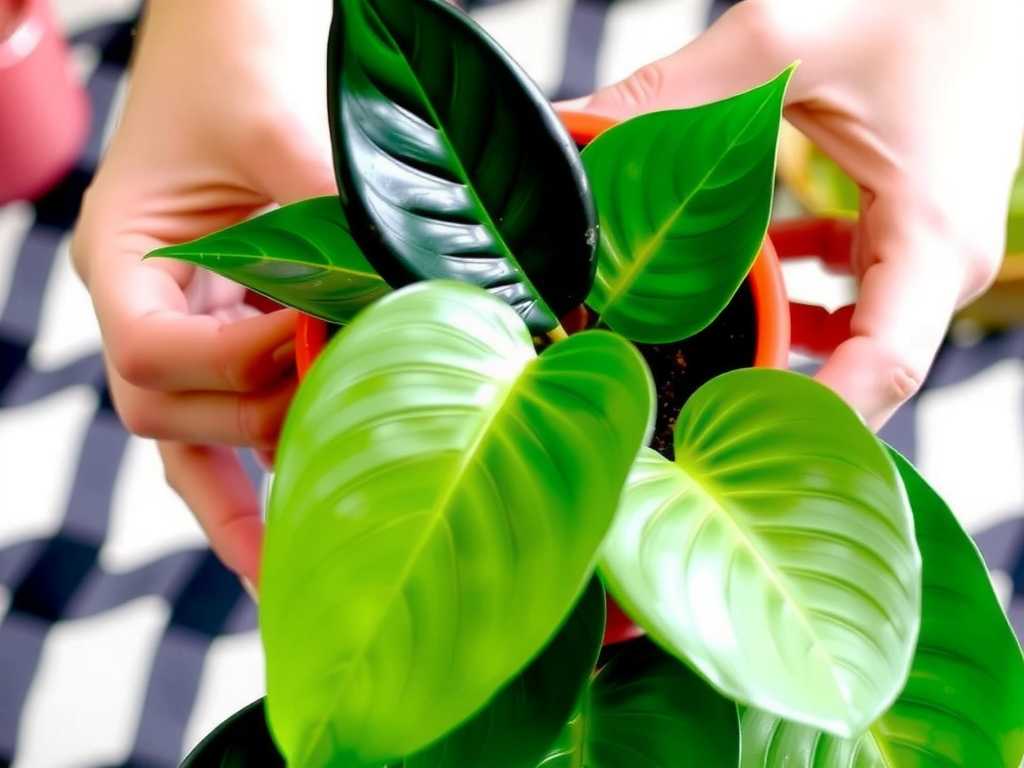
Before browsing containers, understand what your cutting requires. The primary goal is to develop a robust, healthy root system capable of sustaining the plant. This process demands oxygen, the right amount of moisture, and stability. A container that is too large can hold excess water, suffocating roots. One that’s too small or unstable can hinder development or cause physical damage. The ideal container for propagating Monstera acts as a supportive incubator, balancing these elements perfectly.
Key Factors in Selecting a Propagation Vessel
Several critical factors come into play when selecting your propagation pot. Ignoring these can turn your propagation dream into a soggy nightmare.
Material Matters: Pros and Cons
The material of your pot influences moisture retention, air flow, and temperature.
- Glass (Jars, Vases): Excellent for water propagation, allowing you to monitor root growth easily. However, they offer zero airflow to the water, which can promote algae growth. Clear glass also exposes sensitive new roots to light, which isn’t ideal.
- Plastic (Nursery Pots, Cups): Lightweight, affordable, and often come with excellent drainage. They retain moisture well for soil propagation. Opt for pots with multiple drainage holes. You can easily create your own from recycled containers.
- Terracotta & Ceramic: Porous materials that “breathe,” allowing excess moisture to evaporate and promoting air circulation to the roots. This makes them a superb choice for soil propagation of Monstera cuttings, as they help prevent overwatering. Ensure they have a drainage hole.
- Specialized Propagation Stations: These often combine glass vessels with supportive collars to hold stems, offering a balance of visibility and stability.
The Non-Negotiable: Drainage Holes
For any method other than pure water propagation, drainage holes are absolutely essential. They are your primary defense against root rot. A pot without holes traps water at the bottom, creating an anaerobic environment where harmful fungi thrive. As horticulturist Dr. Linda Chalker-Scott emphasizes, “Excess water in the root zone is the most common abiotic cause of plant death.” Always choose a container that allows free drainage.
Size and Shape: Finding the Goldilocks Fit
The size of your propagation pot should be proportional to your cutting.
- For Water Propagation: The vessel should be narrow enough to support the stem, preventing it from falling in or being fully submerged. Only the node and a small portion of the stem should be underwater.
- For Soil Propagation: A pot that is too large will retain moisture for too long around a small root system. Choose a container just 1-2 inches wider in diameter than the root mass you expect to develop initially. A deeper pot is better than a wide, shallow one for downward-growing roots.
Water vs. Soil Propagation: Vessel Requirements
Your choice of propagation method dictates the best type of container.
Choosing a Container for Water Propagation
This method is popular for its visual appeal. The key is root health, not just clarity.
- Vessel Type: Use narrow-necked bottles, propagation tubes, or jars. A dark-colored glass or a vessel kept in a low-light area can inhibit algae.
- Water Quality: Change the water every 5-7 days to maintain oxygen levels and prevent bacterial buildup.
- The Transition: Once roots are 2-3 inches long, plan to move the cutting to soil. Prolonged water propagation can lead to water-adapted roots that struggle to transition.
Selecting the Best Pot for Soil Propagation
Soil propagation often leads to a stronger, more adapted root system from the start.
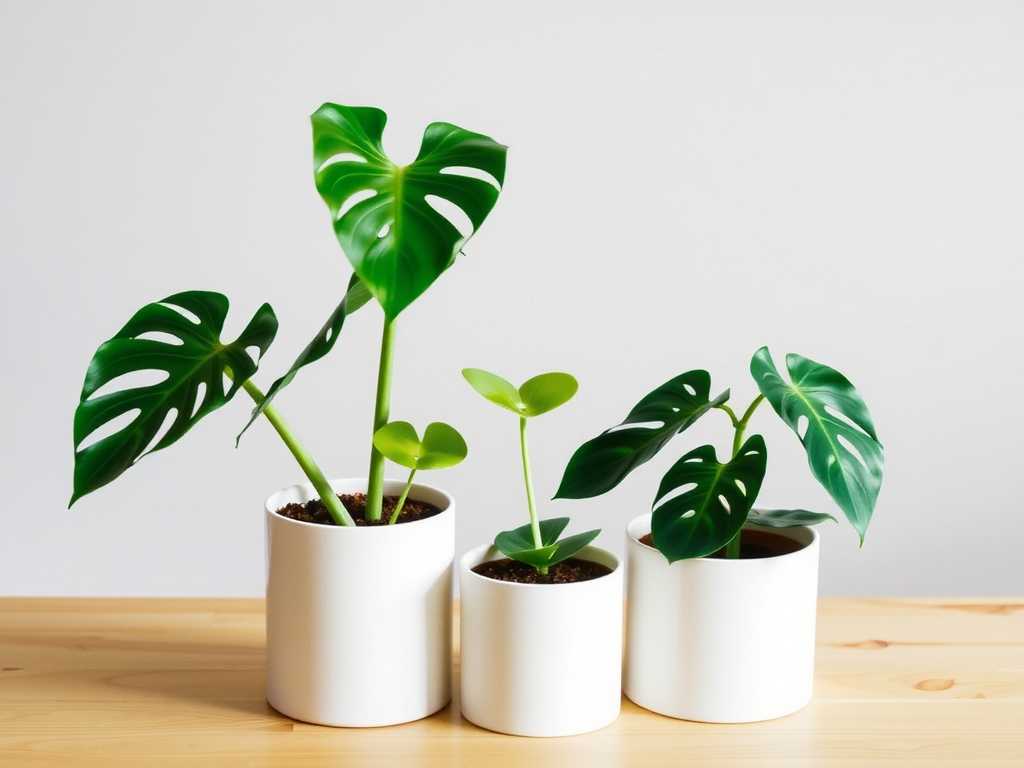
- The Ideal Setup: A small plastic or terracotta pot with ample drainage holes is ideal. A standard 4-inch nursery pot is often perfect for a single-node cutting.
- Soil Mix: Use a light, airy, and well-draining mix. A blend of potting soil, perlite, and orchid bark is excellent. This ensures moisture is available without waterlogging.
- Creating Humidity: While the pot handles drainage, a clear plastic bag or a humidity dome over the pot can maintain high humidity around the leaves, reducing transpiration stress while roots form.
Advanced Considerations and Pro Tips
Beyond the basics, a few extra steps can optimize your success.
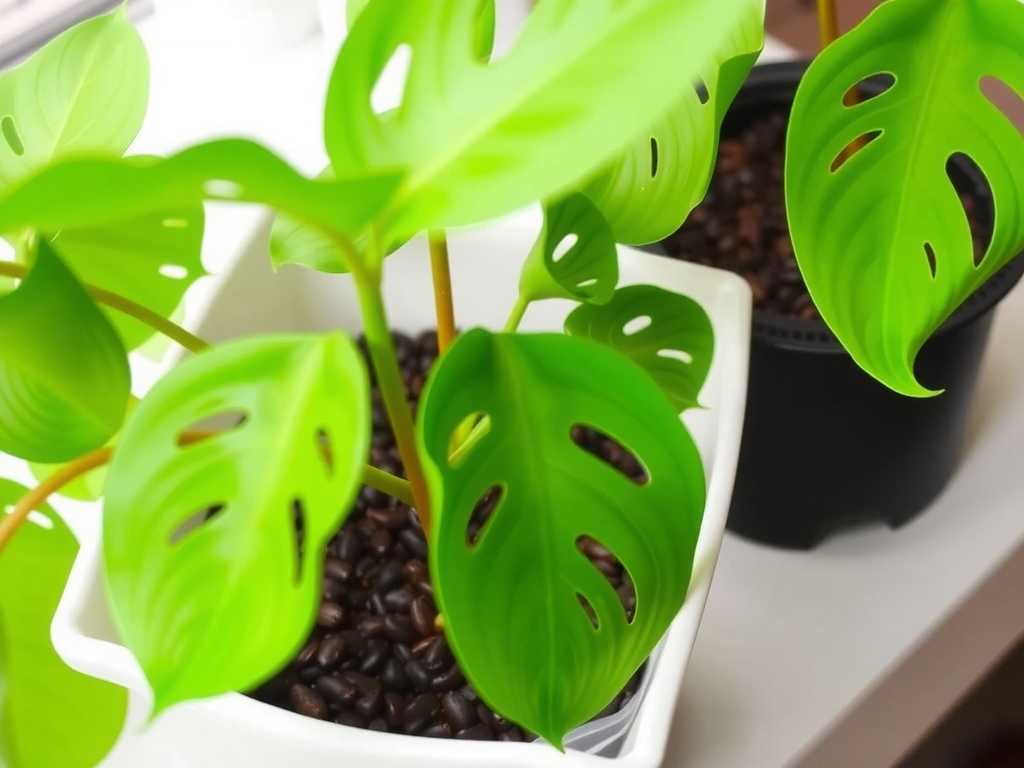
- Sterilization: Always clean and sterilize reused pots with a mild bleach solution to eliminate pathogens.
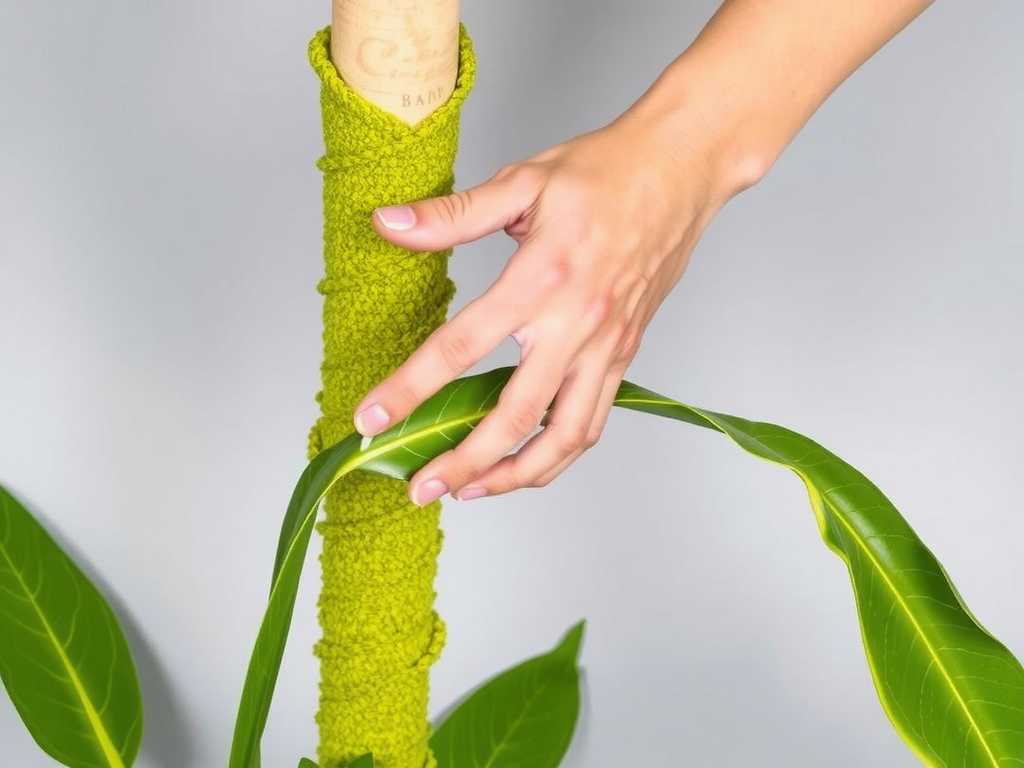
- Support Systems: For top-heavy or aerial root-heavy cuttings, use a small moss pole inserted into the pot at the propagation stage, or secure the stem with soft ties.
- Monitoring Health: Regardless of your container, watch for signs of trouble: yellowing leaves (often overwatering), dry soil (underwatering), or a foul smell (rot).
Frequently Asked Questions
Can I propagate a Monstera directly into a large, decorative pot? It’s not recommended. A large pot holds too much moisture for a small, developing root system, significantly increasing the risk of rot. Start in a small, appropriately-sized propagation pot and “pot up” gradually as the plant grows.
How long should I wait before repotting a water-propagated Monstera? Wait until the primary roots have developed secondary roots (smaller roots branching off). Typically, when roots are 2-3 inches long and look robust, they are ready for the transition to soil. Handle them gently during planting.
Is a transparent pot better for soil propagation to see the roots? While the idea is appealing, transparent pots expose roots to light, which can stress them and encourage algae growth in the soil. An opaque pot is generally better for root health. You can check progress by gently tipping the pot to see if roots are emerging from the drainage holes.
Selecting the right Monstera propagation pot is a simple yet powerful act of care. By matching the container’s material, size, and function to the specific needs of your cutting—whether in water or soil—you provide a stable launchpad for a lifetime of growth. Remember, the goal is to create a supportive environment where roots can breathe, access moisture without drowning, and establish themselves with confidence. With this knowledge, you can approach your next propagation project not with uncertainty, but with the assurance that you’ve built the best possible first home for your new Monstera.
发表评论