 admin
admin Monstera Propagation Drainage: The Ultimate Guide to Avoiding Root Rot in Cuttings
You’ve carefully chosen a beautiful, healthy Monstera stem, made the perfect cut, and placed it in water with excitement. Days turn into weeks, and instead of robust, white roots, you’re greeted with a mushy, brown, and foul-smelling stem. Your propagation dream has turned into a root rot nightmare. This frustrating scenario is all too common, and the culprit is often overlooked: inadequate drainage and poor practices during the critical rooting phase. Mastering Monstera propagation drainage isn't just about the pot you use later; it's about managing moisture and air from the very first moment you take a cutting. This guide will walk you through the exact steps to create the ideal environment for your cuttings, ensuring they develop strong, healthy roots free from rot.
Why Drainage is Non-Negotiable for Monstera Cuttings
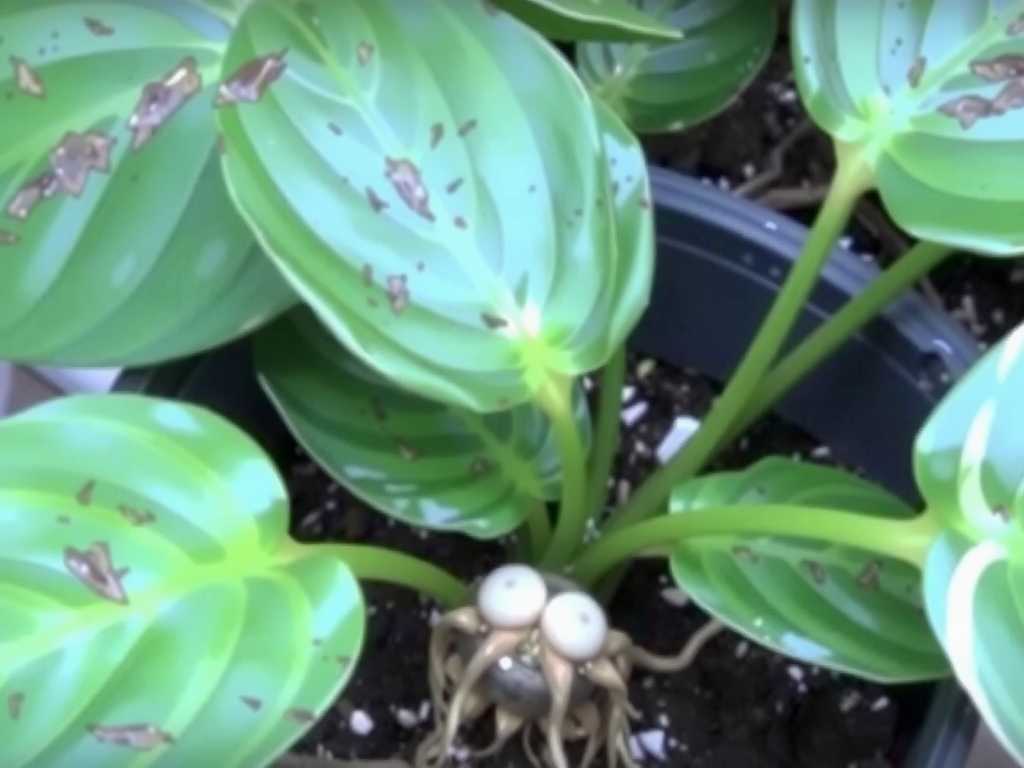
Root rot is caused by oxygen-deprived environments where harmful anaerobic bacteria and fungi thrive. A cutting, lacking an established root system, is exceptionally vulnerable. While we often associate drainage with pots and soil, the principle begins the second your cutting is separated from the mother plant. Proper drainage practices ensure that the cutting’s tissues have access to both moisture and oxygen, the two essential ingredients for successful root initiation and growth. According to horticultural best practices, preventing rot is always more effective than trying to cure it, making your initial setup the most critical step.
The Water Propagation Method: Setting Up for Success
Water propagation is popular for its simplicity, but it requires more than just a jar and tap water. Here’s how to optimize it for drainage and aeration.
Choosing Your Vessel and Water The container matters. Opt for a clear, narrow-necked vase or jar that can support the cutting upright, preventing the leaves from being submerged. Clear glass allows you to monitor root and stem health easily. Always use room-temperature, filtered, or distilled water. Tap water can contain chlorine and minerals that may hinder root development. Change the water completely every 5-7 days. This refreshes oxygen levels and removes any bacterial buildup, acting as a manual drainage flush.
The Critical Node Placement This is where many fail. Only the node—the brown, bumpy ring on the stem—should be submerged. No part of the green stem or any leaf petiole should be underwater. Submerging stem tissue creates a direct pathway for rot. Ensure all leaves are well above the waterline. Placing your vessel in a spot with bright, indirect light will encourage growth while keeping water temperatures stable.
Transitioning from Water to Soil: The Most Dangerous Phase
The move from water to soil is the riskiest period for root rot. Water roots are fragile and adapted to an aquatic environment, not soil.
How to Strengthen Water Roots Before Planting Don’t rush. Wait until the primary roots from the node are at least 4-6 inches long and have developed their own smaller secondary roots. This stronger system is more resilient. Some propagators swear by a transitional step: adding a small handful of the potting mix you’ll use into the water over the final week. This gently acclimates the roots to the presence of solid particles.
The Perfect First Pot and Soil Mix Your choice here is paramount for long-term drainage. Select a small pot—no larger than 1-2 inches wider than the root ball. A huge pot holds excess moisture, drowning the delicate roots. The pot must have multiple drainage holes. Terracotta pots are excellent for beginners as they are porous and wick away moisture. Your soil mix must be chunky and airy. A standard houseplant soil is too dense. Create a well-draining mix: combine 1 part high-quality potting soil, 1 part orchid bark (for aeration), and 1 part perlite or coarse horticultural sand (for drainage). This mix mimics the Monstera’s natural epiphytic growing conditions, allowing water to flow through while providing structure for roots to anchor.
The Initial Watering and Aftercare After planting, water the soil thoroughly until it runs freely from the drainage holes. This settles the soil around the roots. Then, the key is to let the top 1-2 inches of soil dry out completely before watering again. Do not keep the soil constantly wet. Maintain high humidity around the leaves (using a pebble tray or humidifier) while the roots establish, but keep the soil itself on the drier side of moist.
Propagating Directly into Soil: A Faster Path with Higher Risk
For experienced plant lovers, soil propagation can yield stronger, soil-adapted roots faster, but it demands precision.
Preparing Your Cutting for Soil Take your cutting as usual, ensuring a clean cut below a node. Let the cut end callous over for at least 30-60 minutes. This forms a dry seal over the wound, acting as a barrier against soil-borne pathogens that cause rot.
Creating the Ideal Well-Draining Propagation Environment Fill a small pot with the same chunky, airy soil mix described earlier. Moisten the mix lightly so it’s barely damp, not soggy. Insert the calloused node into the soil, ensuring at least one node is buried. You can use a rooting hormone on the cut end before planting to encourage faster root development and provide some antifungal protection.
Mastering the Moisture Balance This is a delicate dance. Your goal is to keep the rooting zone slightly moist, not the entire pot. Water only around the base of the stem with a small amount of water. Covering the pot with a clear plastic bag or dome creates a humid microclimate, reducing the plant’s need for water from the soil. However, you must air it out daily for 10-15 minutes to prevent fungal growth. Always keep the setup in warm, bright, indirect light.
Advanced Tips and Troubleshooting
Even with the best setup, issues can arise. Here’s how to troubleshoot common drainage-related problems.
Identifying Early and Late-Stage Root Rot Early signs in water include a slimy film on the stem or a slightly mushy feel. In soil, look for a cutting that wilts despite moist soil, or leaves turning yellow and black from the base up. A foul smell from the soil or water is a definitive red flag.
Can You Save a Rotting Cutting? Act immediately. Remove the cutting and rinse the roots. With sterilized shears, cut away all soft, brown, or black mushy tissue until only firm, healthy white or green stem remains. If any node remains healthy, you can restart the propagation process in fresh water or sphagnum moss, a medium known for its excellent moisture control and aeration. Disinfect your tools and pot before reusing.
Choosing the Right Medium for Your Lifestyle While water and soil are common, consider LECA (clay pebbles) or sphagnum moss. These semi-hydroponic mediums offer superior aeration and controlled moisture, significantly reducing rot risk. They require specific watering techniques but can be excellent for propagation, especially for high-value cuttings.
Why is my Monstera cutting rotting in water even though I change it? The most likely cause is that part of the green stem, not just the node, is submerged. This tissue rots quickly. Ensure only the nodal area is in water. Also, verify your water isn’t too cold and your vessel is clean. Using a support to keep the leaves dry is crucial.
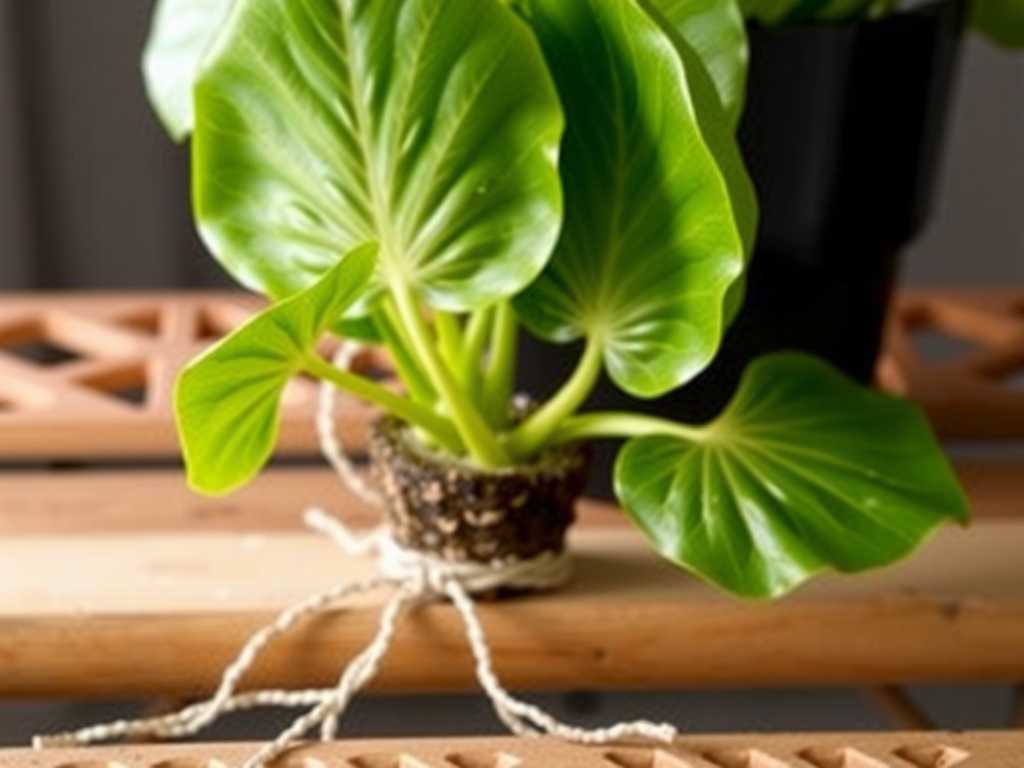
How do I know if my soil mix is well-draining enough for Monstera cuttings? Perform a simple test. Mix your soil as you normally would and water it thoroughly. The water should drain out the bottom within seconds, not pool on the surface. After draining, the soil should feel moist but not waterlogged, and it should hold its structure without compacting.
Should I use a pot with a drainage hole for a freshly potted Monstera cutting? Absolutely, and this is non-negotiable. A pot without a drainage hole is the single biggest cause of root rot. It traps all excess water at the bottom, creating a perfect environment for rot. Always choose a pot with holes, and you can place it inside a more decorative cache pot if desired.
Successful Monstera propagation hinges on your ability to manage the balance between hydration and oxygen. By prioritizing drainage from the very start—whether through vigilant water changes, a perfectly formulated chunky soil mix, or the use of alternative aerated mediums—you build a strong foundation against root rot. Remember, a cutting’s needs are simple: consistent moisture at the root zone, plenty of indirect light, and, above all, an environment where its nascent roots can breathe. Apply these principles, and you’ll transform the anxious wait for roots into a confident journey toward a thriving new plant.

发表评论