 admin
admin How Long Does Monstera Propagation Take? Your Complete Rooting Timeline Guide
You’ve carefully chosen a healthy stem, made the perfect cut just below a node, and placed your precious Monstera cutting in water or moss. Now, the waiting begins. The most common and anxious question every plant parent faces is: How long does Monstera propagation take? The anticipation of seeing those first white, fuzzy roots can feel endless. The truth is, there’s no single answer—the rooting timeline varies dramatically based on your method, environment, and the plant’s own rhythm. Understanding this timeline and the factors that influence it is key to propagation success, turning uncertainty into confident expectation.
This guide will walk you through the complete Monstera propagation rooting timeline for every popular method, explain what’s happening beneath the surface at each stage, and provide expert tips to accelerate healthy root growth.
Understanding the Monstera Propagation Process: What’s Happening Beneath the Node
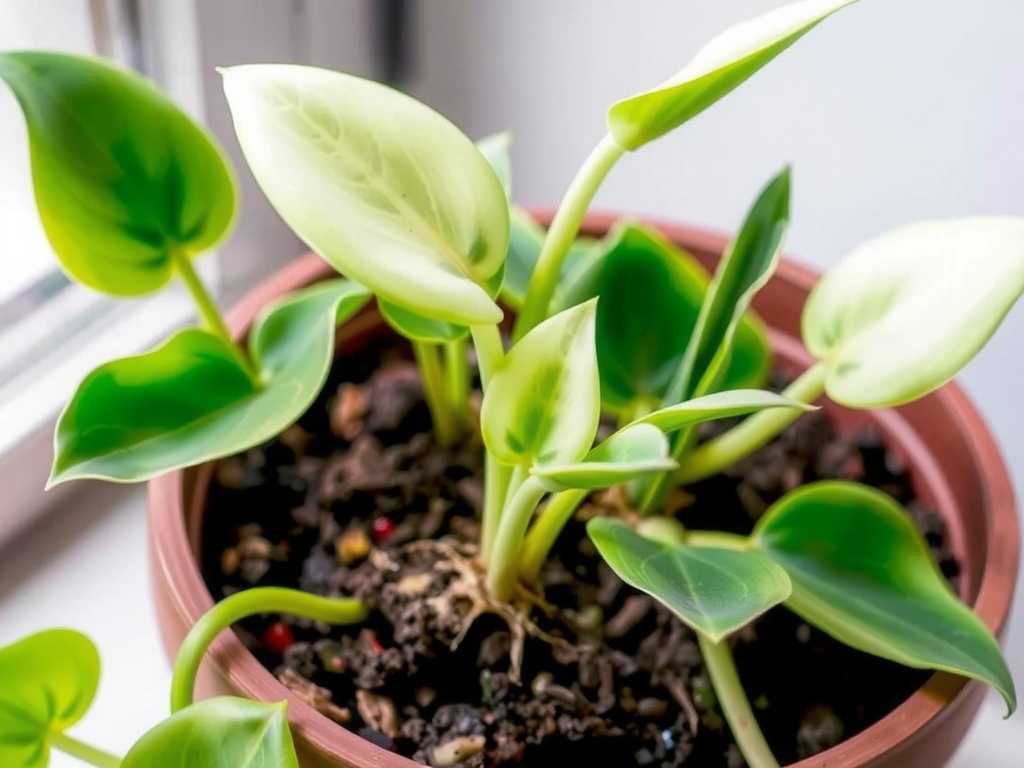
Before diving into timelines, it’s crucial to understand the science. When you take a cutting, you are wounding the plant. Its immediate biological priority is to seal that wound and then initiate root growth from special cells called meristematic tissue, located at the nodes (those brown, ring-like bumps where leaves and aerial roots emerge).
The plant must convert stored energy into building new cellular structures. This process, from callus formation (a protective layer over the cut) to the emergence of primordial root cells, takes time and energy. Factors like light, temperature, and humidity don’t just speed things up—they provide the essential signals and resources the cutting needs to prioritize root development.
The Complete Rooting Timeline by Propagation Method
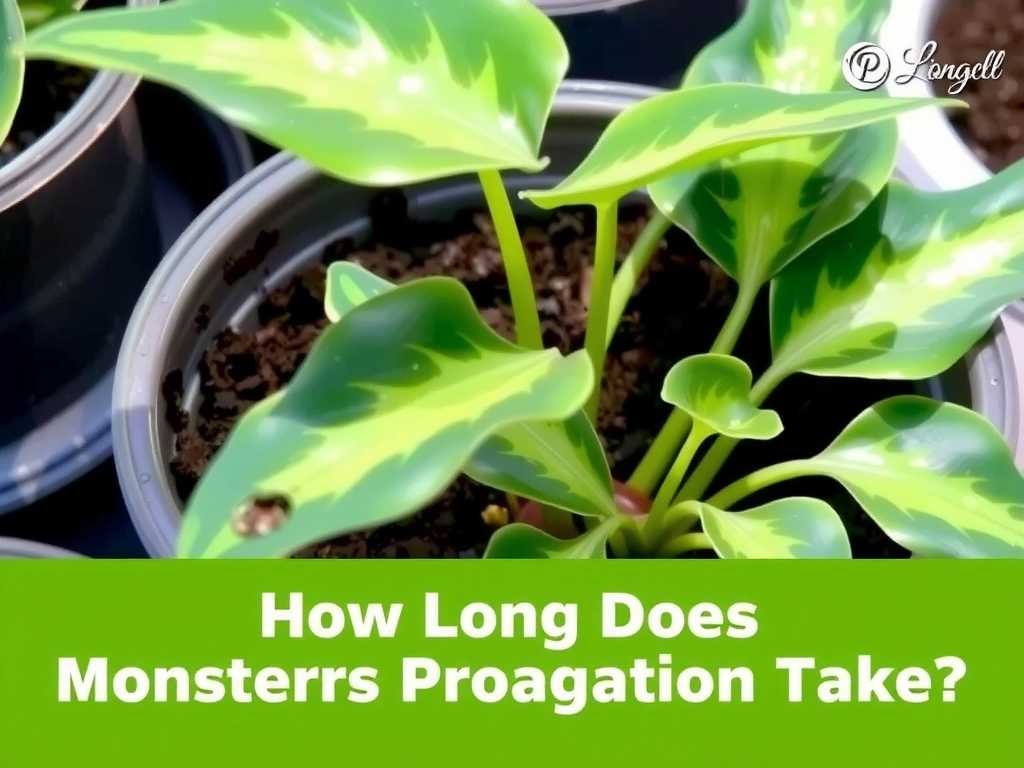
The method you choose is the single biggest determinant of your Monstera propagation time. Here’s what you can realistically expect.
Water Propagation: The Visual Favorite
Water propagation is popular because it allows you to watch every milestone.
- Weeks 1-2: The Waiting Period. After placing your cutting in fresh water, change the water weekly to prevent bacterial growth. In these first two weeks, the cut end will begin to form a callus. You likely won’t see any visible changes, but internal cellular activity is high.
- Weeks 3-5: Root Initiation. This is when the magic becomes visible. Small, white nubs or bumps will emerge from the node. These will slowly elongate into primary roots. According to horticultural studies, consistent warmth (70-75°F or 21-24°C) can trigger this phase earlier.
- Weeks 6-8: Establishing a Root System. The primary roots will grow longer and may begin to develop smaller, hair-like secondary roots. A cutting is generally considered ready for soil once the main roots are 3-5 inches long and have some branching, which typically takes 6 to 8 weeks in ideal conditions.
- Key Advantage: Visibility reduces anxiety.
- Key Consideration: Water roots are different from soil roots. The transition to soil can cause some shock, potentially adding 2-3 weeks of adjustment time after potting.
Sphagnum Moss Propagation: The Balanced Approach
Moist sphagnum moss provides a humid, airy environment that mimics a tropical forest floor, encouraging strong root growth.
- Weeks 1-3: Callusing and Early Growth. Keep the moss consistently moist but not soggy. The high humidity around the node encourages rapid callus formation and the early emergence of root initials, often faster than in water.
- Weeks 4-7: Rapid Root Development. Roots tend to grow vigorously in moss. They are often thicker and more robust compared to water roots. You’ll have a network of roots sufficient for potting in approximately 5 to 7 weeks.
- Key Advantage: Produces hardy roots adapted to a moist medium, leading to an easier transition to soil.
- Key Consideration: Requires checking moisture levels regularly to avoid drying out or rot.
Soil Propagation: The Direct Route
Propagating directly into soil skips the transfer step, but requires careful moisture management.
- Weeks 1-4: The Critical Invisible Phase. The cutting is working underground to callus and form roots. You must keep the soil lightly moist and provide high humidity (using a plastic bag or propagator). There are no visual cues, so patience is essential.
- Weeks 5-8: Signs of Success. The first sign of success is usually new leaf growth, indicating that roots have formed and are taking up nutrients. This can take 7 weeks or more. A gentle tug that meets resistance also indicates root establishment.
- Key Advantage: No risk of transplant shock.
- Key Consideration: The highest risk of rot due to overwatering and the most challenging method for beginners due to the lack of visibility.
Air Layering: The Low-Stress Technique
Air layering allows roots to develop on the mother plant before the cutting is taken.
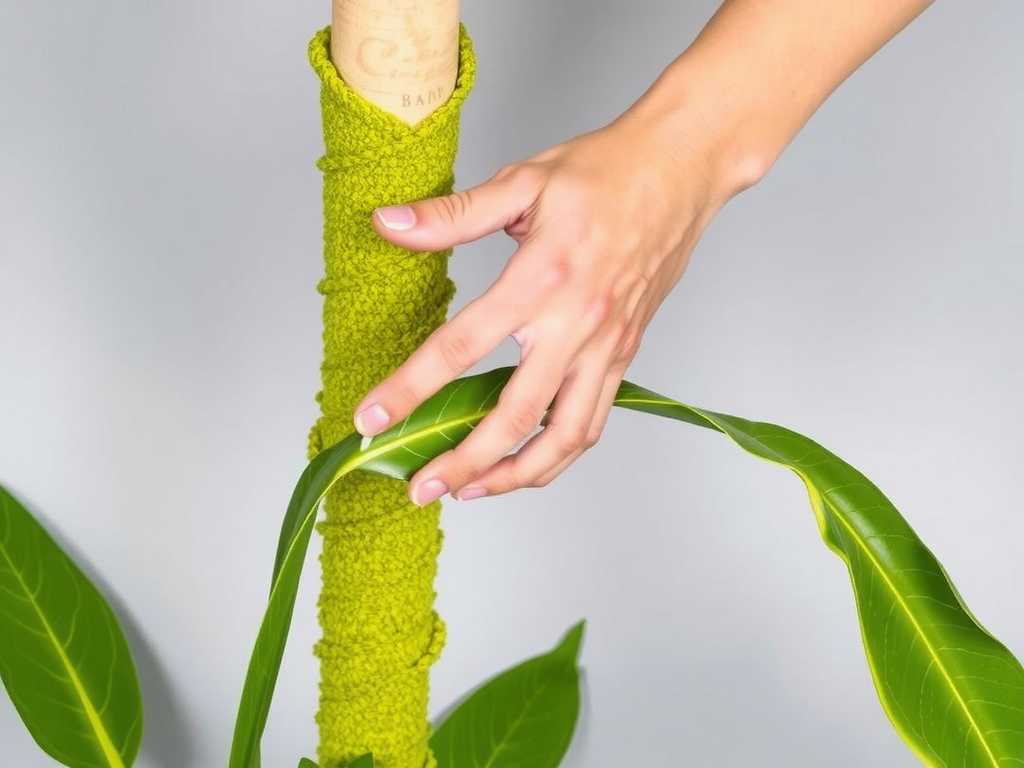
- Week 1-6: Encouraging Aerial Roots. You moisten a node wrapped in moss and secure it with plastic. The existing aerial root or node will begin to grow and branch into the moist environment. Root development can take 4 to 6 weeks.
- Once Rooted: Once a healthy root ball is visible through the plastic, you can cut the stem below it and pot the new plant. Because it’s already rooted, it continues growing with minimal to no shock.
4 Critical Factors That Accelerate or Slow Down Rooting
Why does one cutting root in a month while another takes three? These variables control the clock.
- Light & Temperature: Bright, indirect light is the engine of photosynthesis, providing energy for root growth. Avoid direct sun, which can stress the cutting. Ideal temperatures are between 70-80°F (21-27°C). Cold temperatures will dramatically slow or stall the process.
- Seasonality: Monsteras are tropical plants with a growing season. Propagation in spring and early summer yields the fastest results, as the plant is in its active growth phase. Propagation in fall or winter can double or triple the expected timeline.
- Cutting Health & Size: A cutting taken from a healthy, pest-free mother plant with at least one node and one healthy leaf has ample energy stores. Larger cuttings with more leaves may root slower as they support more foliage, while single-node cuttings can sometimes focus energy more efficiently.
- Humidity: High humidity (70%+) reduces water loss through the leaves (transpiration), allowing the cutting to dedicate resources to root creation rather than survival. Using a clear plastic bag or dome can create a mini-greenhouse effect.
Expert Tips for Faster, Healthier Monstera Roots
- Use a Rooting Hormone (Powder or Gel): While not strictly necessary, rooting hormones contain auxins that stimulate root cell division. They can shave 1-2 weeks off the timeline and encourage a denser root system. Dip the callused end into the hormone before placing it in your medium.
- Provide Bottom Heat: Placing your propagation vessel on a seedling heat mat set to a gentle warmth (around 72°F / 22°C) can significantly boost root initiation speed by warming the root zone.
- Prioritize Airflow: In moss or soil, ensure your setup has some air circulation to prevent fungal growth. Don’t seal a plastic bag completely airtight.
- Be Patient and Observe: Resist the urge to constantly check water roots or unpot soil cuttings. Disturbance can delay growth. Look for cues like new root growth in water or a new leaf in soil.
Frequently Asked Questions
My cutting has been in water for a month and only has a small nub. Is it a failure? Not at all. As long as the stem and leaf are firm and not rotting, the cutting is still alive. Some cuttings are simply slower. Ensure it’s getting enough warm light and be patient. Growth can often seem slow until it suddenly accelerates.
Can I speed up Monstera propagation by putting it in direct sunlight? No, this is a common mistake. Direct sunlight will cook the cutting, cause excessive transpiration, and lead to yellowing or burning. Bright, filtered indirect light is the goal. Think of the dappled light under a jungle canopy.
The roots in my water propagation are long, but they look thin and stringy. Are they healthy? Water roots are often more delicate than soil roots. While they are functional, their thin nature is why the transition to soil can be tricky. To encourage sturdier roots, you can add a dilute amount of liquid fertilizer to the water once roots are over an inch long, or consider transferring to moss for a few weeks to thicken them up before potting.
Successfully propagating a Monstera is a rewarding exercise in patience and observation. While the average Monstera propagation time ranges from 6 to 8 weeks, your experience will depend on the choices you make and the environment you provide. By selecting the right method for your lifestyle, optimizing light and warmth, and understanding the natural rhythms of the plant, you can navigate the rooting timeline with confidence. The moment you finally spot those first roots or that new leaf unfurling makes every day of the wait worthwhile, marking the beginning of a new plant’s life.

发表评论