 admin
admin Monstera Care in Apartments: Low-Light Growing Hacks
Let’s be honest. You’ve scrolled through a thousand stunning photos of lush, fenestrated Monstera deliciosa leaves, only to look at your own apartment’s dim corners and sigh. The dream of that iconic jungle vibe seems impossible when your biggest window faces a brick wall, or your living room only gets gentle, indirect light for a few precious hours. I know that feeling all too well. For years, I believed Monsteras were reserved for those with south-facing sunrooms. That is, until I decided to experiment. This guide isn’t just theory; it’s my documented, two-week journey of Monstera care in apartments with genuinely low light. I’ll share the exact hacks that worked, the mistakes I made, and how you can help your Monstera not just survive, but thrive.
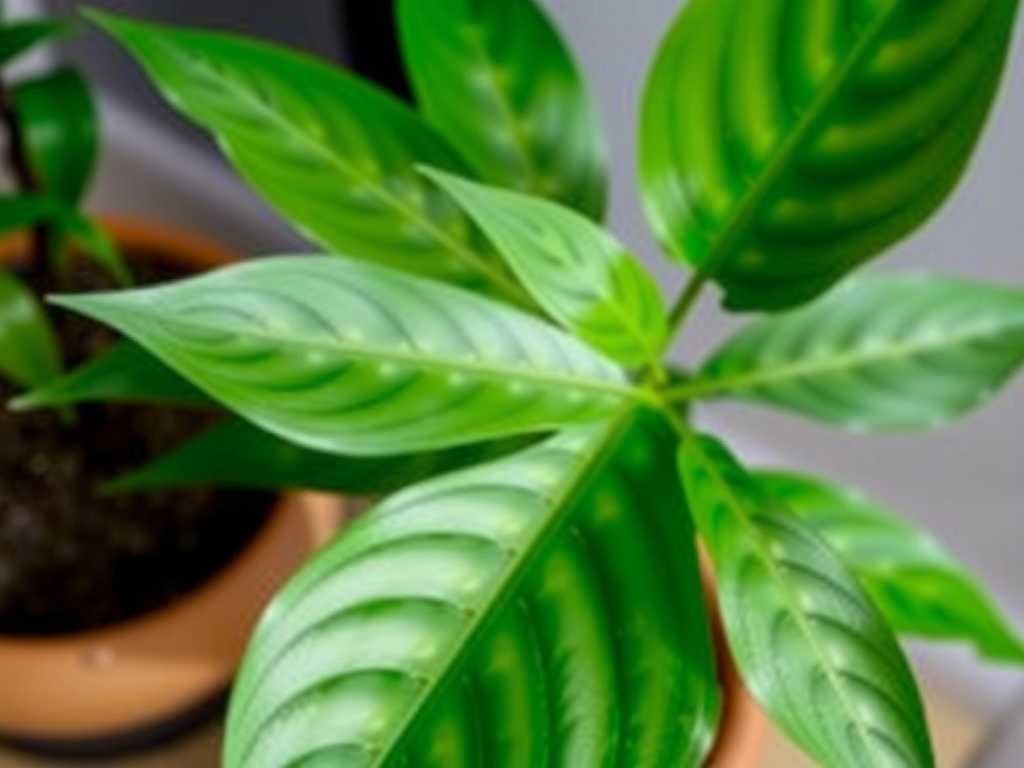
Understanding Your Apartment’s Light: It’s Not Just “Dark”

Before you move a single plant, you need to become a light detective. “Low light” is a vague term. I used a simple light meter app (they’re not perfectly accurate but great for comparison) to map my space. A spot I thought was bright measured a mere 50 foot-candles (fc), while a shelf just 3 feet closer to the window measured 150 fc. The Royal Horticultural Society (RHS) notes that Monsteras can tolerate lower light but grow best with bright, indirect light (around 200-400 fc). My mission was to bridge that gap.
My first hack was strategic placement. I identified the brightest low-light spot: directly in front of my largest window, but set back about 4-5 feet to avoid any direct sun rays that could scorch the leaves. I also employed reflectors. I placed a large, white foam board on the side of the plant opposite the window. This simple trick, often used by interior photographers, bounced available light back onto the foliage. Within the first week, I noticed the leaves seemed to orient themselves more confidently toward the light source.
Hack #1: The Supplemental Lighting Setup That Actually Works
Accepting that my ambient light was insufficient for robust growth, I turned to grow lights. This is where I made my biggest initial mistake. I bought a cheap, blurple (red/blue) LED panel from an unknown brand. It was harsh, cast a strange purple glow in my living room, and after three days, the tips of two older leaves started to brown. I realized the light was too intense and placed too close.
I switched to a full-spectrum, white LED grow light bulb designed to screw into a standard desk lamp. According to the American Horticultural Society (AHA), full-spectrum LEDs provide a balanced light quality that supports photosynthesis without distorting the plant’s natural color. I placed the lamp about 18 inches above my Monstera and set it on a 12-hour timer (7 AM to 7 PM). This consistency was key.
The Two-Week Observation: A Turning Point
For the first 4-5 days under the new light, nothing dramatic happened. Then, I started noticing subtle changes. The deep green of the leaves seemed richer. The most exciting sign appeared at the end of week two: a new aerial root from a lower node became more active and elongated, and a tiny, tightly rolled leaf sheath (a cataphyll) at the growth point began to swell. This was a clear signal the plant was gathering energy to push out new growth—something it hadn’t done in the previous three months of winter gloom. The key was the consistent, gentle supplement, not a brutal, short blast of artificial light.
Hack #2: Watering and Feeding for Low-Light Conditions
This is the most critical adjustment. In low light, your Monstera’s metabolism slows down. It uses water and nutrients much more slowly. My old habit of watering every 7-10 days was a recipe for root rot. I adopted the “finger test” religiously, inserting my finger 2-3 inches into the soil. In my low-light setup, the soil stayed moist for nearly 18 days!
I also completely revised my feeding schedule. During this experiment, I did not use any standard liquid fertilizer. Instead, I incorporated a single, slow-release fertilizer stick into the soil at the beginning. The RHS advises reducing fertilizer by half in low-light conditions to prevent salt buildup and leaf burn, as the plant cannot utilize the nutrients fully. Over-fertilizing was a pitfall I avoided this time, and my plant showed no signs of nutrient burn or stress.
Support and Pruning: Directing Energy
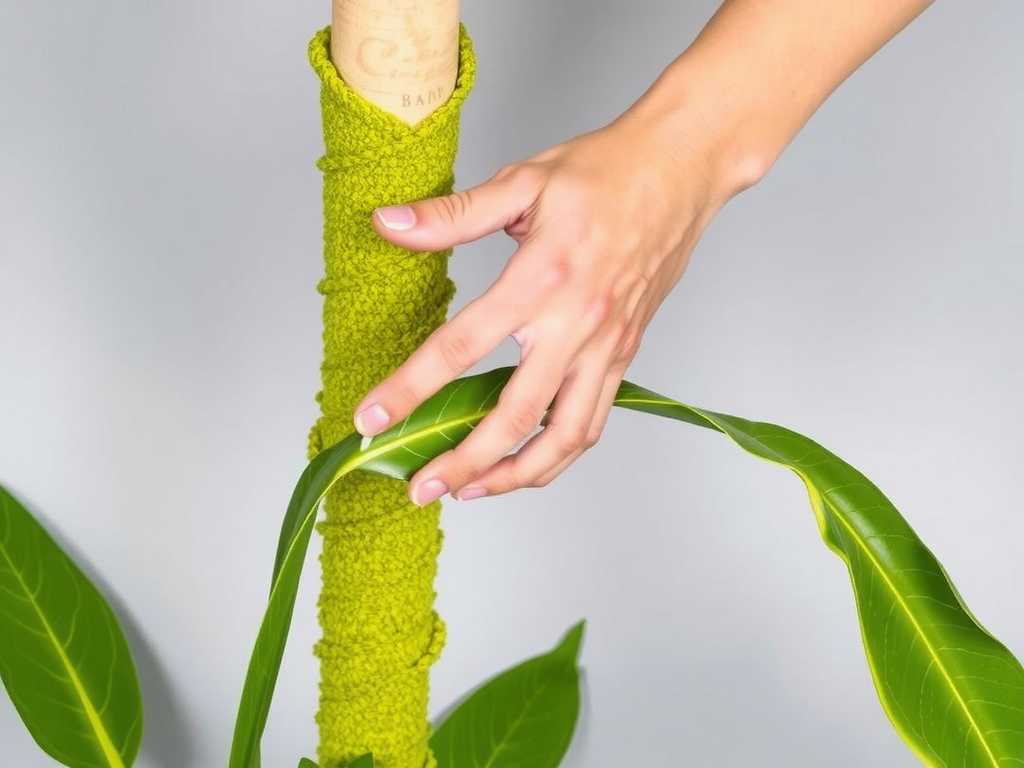
A Monstera in low light will naturally grow more slowly and may have longer internodes (the space between leaves) as it “reaches” for light. To prevent a leggy, unstable plant, I provided a moss pole. I gently tied the main stem to the pole, which encouraged the aerial roots to attach. This vertical support tells the plant to grow upwards rather than sprawl outwards, creating a more aesthetically pleasing form and directing energy more efficiently.
I also examined the plant for any small, yellowing, or damaged lower leaves. I carefully pruned one such leaf. In low-energy environments, removing leaves that are costing the plant more than they give back allows it to redirect precious resources to new, healthy growth and its root system.
Creating a Microclimate: More Than Just Light
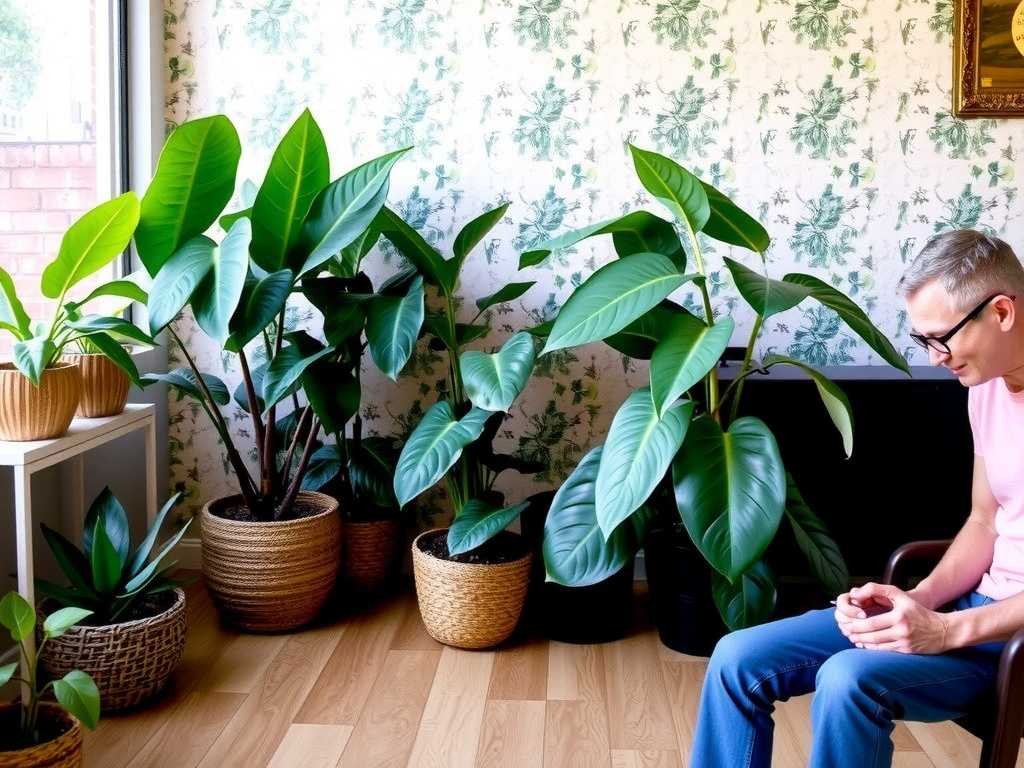
Light is king, but humidity is its queen, especially for tropical plants. My apartment air was dry, around 35% RH. While Monsteras are adaptable, I wanted to reduce any additional stress. I didn’t buy a humidifier. Instead, I grouped my Monstera with a few other humidity-loving plants like a Peace Lily. I also placed a wide, shallow tray filled with water and pebbles beneath the plant group. As the water evaporates, it locally increases humidity. I noticed the leaves felt less dry to the touch and had a healthier sheen after implementing this.
What’s the absolute minimum light a Monstera needs to survive? While it can survive in very low light (50-100 fc) for a long time, it will essentially enter a holding pattern with little to no growth and may become leggy. For any meaningful growth and the development of those coveted leaf fenestrations, you’ll need to provide bright, indirect light or a suitable grow light supplement. Think of it as the difference between surviving and thriving.
Can I use a regular LED desk lamp as a grow light? It depends. A standard cool-white or daylight LED bulb will provide some beneficial light and is better than nothing. However, a bulb labeled as “full-spectrum” or specifically designed for plant growth will have a better balance of wavelengths (especially in the red and blue spectra) that optimize photosynthesis. My successful experiment used a dedicated full-spectrum grow bulb in a regular lamp.
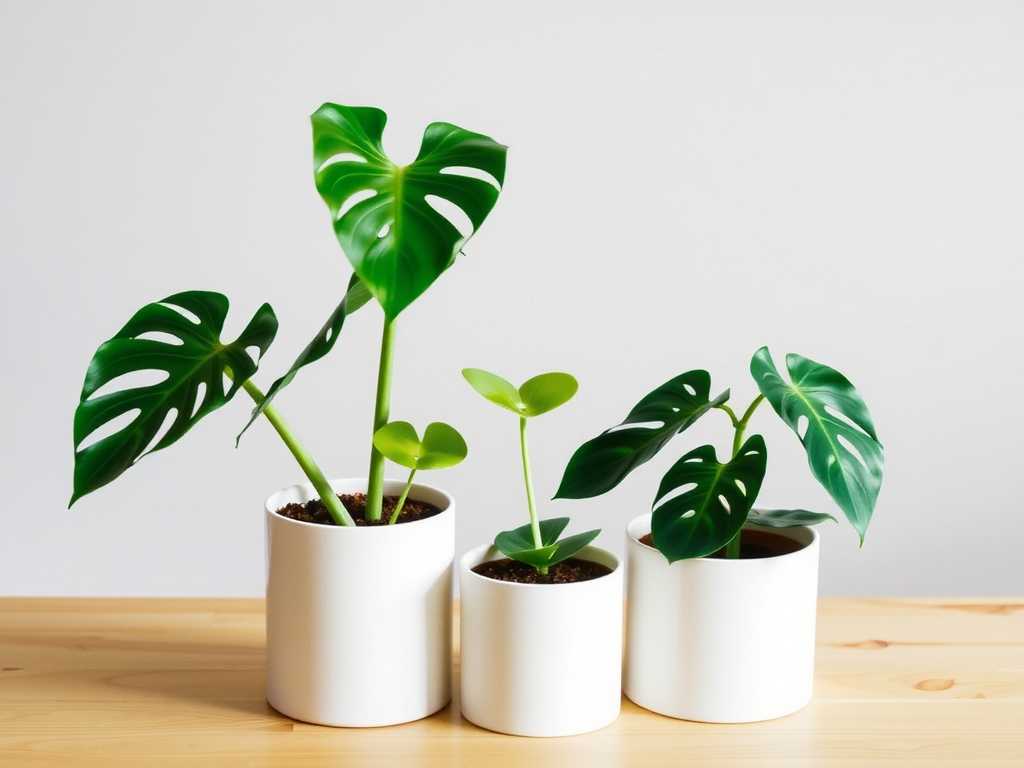
My Monstera in low light is putting out small, solid leaves without splits. Is it dying? Not at all! This is the plant’s intelligent response to its environment. Fenestrations (splits and holes) are the plant’s way of allowing light to pass through to lower leaves in its native, bright jungle environment. In low light, it doesn’t “need” to create these; it prioritizes making solid leaves to capture as much light energy as possible. To encourage fenestrations, you need to increase the light level.
Caring for a Monstera in a low-light apartment is entirely possible, but it requires a shift from a standard care routine. It’s about working smarter, not harder: amplifying every bit of natural light, choosing the right supplemental light carefully, and, most importantly, dramatically adjusting your watering and feeding habits to match your plant’s slower pace. My two-week experiment proved that with these targeted low-light growing hacks, you can witness signs of active health and anticipation of new growth. Your apartment jungle dream is still within reach—you just need the right map.
发表评论