 admin
admin Monstera Care in Bathrooms: Unlocking the Humidity Benefits While Avoiding the Risks
I’ve lost count of the times I’ve seen that stunning photo: a lush, giant Monstera deliciosa thriving in a bright, tiled bathroom, its leaves deep green and split with perfect fenestrations. It’s the ultimate urban jungle dream. But as a plant enthusiast who has killed my fair share of “easy” plants, I knew that reality is often messier than the Pinterest grid. Can these popular houseplants truly flourish in a bathroom, or is it a fast track to root rot and pest infestations?
That question led me to a two-week experiment. I moved one of my mature Monstera plants into my primary bathroom to document the real-world effects. I wanted to move beyond theory and understand the practical Monstera care in bathrooms, measuring the tangible humidity benefits while vigilantly watching for the very real risks. What I learned was a nuanced lesson in microclimates, plant observation, and adaptation.
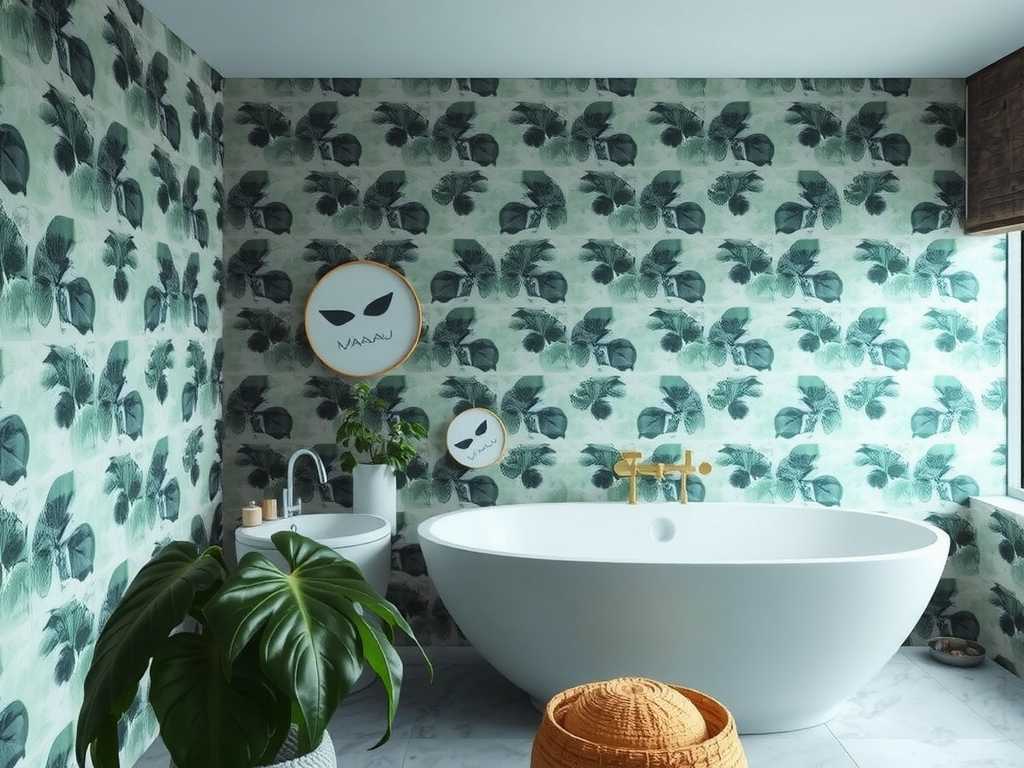
Why Bathrooms Seem Like a Monstera Paradise
Let’s start with the science behind the allure. Monsteras are native to the tropical rainforests of Central America, where they climb trees in a warm, humid, and dappled-light environment. The bathroom, in theory, mimics two key elements: moisture in the air and (often) indirect light.
The American Horticultural Society notes that many tropical foliage plants, including Monsteras, prefer a relative humidity of 60% or higher. Most homes, especially those with air conditioning or heating, sit at a dry 30-50%. Bathrooms naturally spike in humidity during and after showers, creating a temporary high-humidity zone. This is the core benefit. In higher humidity, Monsteras can perform better photosynthesis with less stress, potentially leading to larger leaves, faster growth, and more pronounced fenestrations. The plant’s stomata (tiny pores on leaves) stay open longer for gas exchange without risking excessive water loss.
My Two-Week Bathroom Monstera Experiment: Setup and Initial Observations
I selected a healthy Monstera I’d had for over a year. Before the move, I noted its condition: five leaves, the newest two showing small fenestrations. It was in a well-draining aroid mix and a pot with drainage holes. My bathroom has a north-east facing window with frosted glass, providing bright, indirect light all morning—no direct sun hits the leaves.

Week 1: The Honeymoon Phase The initial change was visibly positive. The ambient humidity, which I tracked with a digital hygrometer, averaged 65-75%, spiking to over 90% after hot showers. The plant looked perkier. The leaves felt sturdier, and that slight curling at the very edges of the oldest leaf seemed to relax. I was thrilled. I followed my usual watering schedule, checking the soil moisture by finger before watering. However, I quickly encountered my first “pitfall.”
Pitfall #1: The Watering Misconception Here’s the critical mistake I almost made: assuming humid air meant wet soil. It does not. In fact, because the soil took much longer to dry out due to the lack of air circulation and constant ambient moisture, my plant needed far less frequent watering. By day 5, when I would typically water, the soil was still moist 2 inches down. Watering then would have been a disaster. I skipped the watering and only gave a small drink on day 10.
The Hidden Risks of Bathroom Life for Your Monstera
My initial excitement was tempered as I entered the second week. The benefits of humidity were clear, but the risks began to reveal themselves.
Risk #1: Poor Air Circulation and Fungal Threats Bathrooms, especially smaller ones, are often stagnant. The constant high humidity without airflow is a breeding ground for fungal issues like powdery mildew or leaf spot. By the start of week two, I noticed a single, small yellow spot on a lower leaf. Upon closer inspection, it was the beginning of a fungal issue, likely exacerbated by water droplets lingering on the leaf after my showers. The Royal Horticultural Society advises that good ventilation is crucial to prevent such problems in humid environments.
My Solution: I started running the bathroom exhaust fan for at least 30 minutes after every shower. I also made a point of gently wiping the leaves with a dry microfiber cloth every few days to remove any moisture film. This simple step halted the fungal spot in its tracks.
Risk #2: Inadequate or Harsh Light Not all bathroom windows are created equal. Many have textured or frosted glass that diffuses light, which is good, but it can also reduce light intensity by a significant percentage. A Monstera in a dark, humid bathroom will not thrive; it will merely survive, becoming leggy as it stretches for light. Furthermore, if the window provides direct, hot afternoon sun, the magnifying effect of water droplets on the leaves can cause severe burns.
My Solution: I used a light meter app on my phone to confirm the levels. While it was sufficient for “medium” light needs, I wanted to ensure robust growth. I supplemented with a small, low-wattage full-spectrum grow light placed a few feet away, timed for 4 extra hours in the late afternoon. This provided the energy it needed without the risk of burn.
Risk #3: Temperature Fluctuations and Chemical Exposure Bathrooms can experience dramatic temperature swings from hot showers to cooler nights. Monsteras dislike drafts and sudden chills. Additionally, hairsprays, cleaning aerosols, and strong air fresheners can settle on leaves and clog their pores or cause chemical damage.
My Solution: I kept the plant away from the direct path of the shower’s hot steam and the draft from the door. I also instituted a strict “no aerosol” policy in that bathroom for the duration of the experiment, opting for pump sprays instead.
Optimizing Your Bathroom for Monstera Success: A Practical Guide
Based on my two-week trial and ongoing adjustments, here is a actionable guide to make this setup work.
1. Assess Your Bathroom’s Core Conditions First.
- Light: Is there a window? Use a light meter or observe. Your Monstera should cast a soft, but defined shadow for most of the day. If not, plan for a grow light.
- Humidity: Get a hygrometer. If your bathroom’s average humidity is below 50%, the benefit is minimal. If it’s constantly above 80% without ventilation, the risk is high.
- Space: Is there room for air to circulate around the plant? Avoid cramming it into a damp corner.
2. Adapt Your Care Routine Drastically.
- Watering: This is the most crucial adjustment. Always, always check the soil moisture first. I switched to watering only when the top 50-75% of the soil was dry, which became nearly twice as long as its previous spot. Consider using a moisture meter for accuracy.
- Fertilizing: With potentially slower soil drying and different light, reduce fertilizer strength and frequency during lower-light winter months to avoid salt buildup in the damp soil.
- Cleaning: Regularly wipe leaves to prevent dust and moisture buildup, and inspect closely for early signs of pests (like spider mites, who can thrive in dry pockets of a humid room) or fungus.
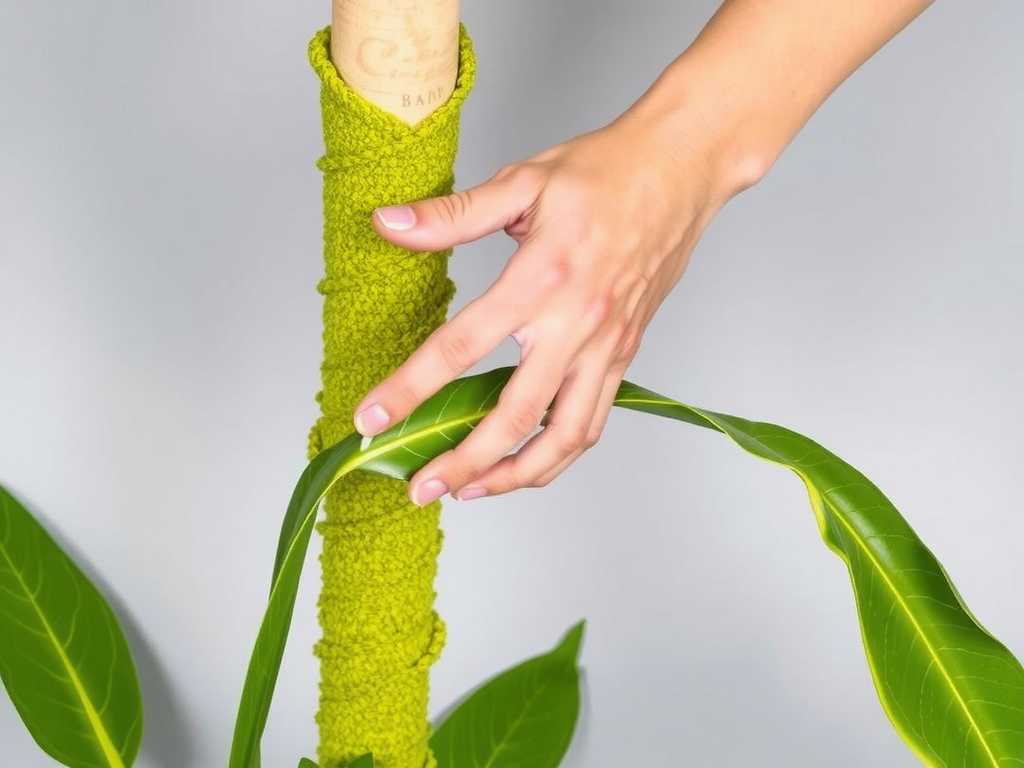
3. Create a Support System.
- Ventilation: Use that exhaust fan. If you don’t have one, a small, oscillating fan placed outside the doorway can help move air.
- Pots and Soil: Non-negotiable: a pot with excellent drainage and a chunky, airy potting mix. I use a blend of orchid bark, perlite, coco coir, and a handful of worm castings. This prevents the roots from sitting in water.
- Humidity Control: If your bathroom is too dry, group plants together or use a pebble tray. If it’s too wet (condensation constantly on walls), increase ventilation.
The Verdict: Is a Bathroom Right for Your Monstera?
After two weeks of intense observation, I decided to keep my Monstera in the bathroom, but with all my new protocols in place. The key takeaway is that a bathroom is not a “set it and forget it” environment. It’s a specialized microclimate that requires you to be a more attentive plant parent, not a less active one.
The benefits of high humidity for leaf health and growth are real and measurable. My plant pushed out a new leaf during the second week, and the sheath unfurled more smoothly than previous ones. However, the risks of root rot and fungal diseases are equally real and can quickly outweigh the benefits if you don’t adjust your care.
It’s a perfect fit for a plant lover who enjoys fine-tuning conditions. It’s a potential death sentence for a beginner who assumes the humidity does all the work.
Common Questions Answered
Will my Monstera get enough light in a bathroom without a window? Almost certainly not. Monsteras need a significant amount of bright, indirect light to photosynthesize and produce split leaves. A windowless bathroom’s artificial light is insufficient. You would need to provide a high-quality grow light for 10-12 hours a day to make this viable, turning the bathroom into a de facto grow tent.
How often should I water my Monstera in a high-humidity bathroom? There is no universal schedule. The only reliable method is to physically check the soil. Forget the calendar. In my setup, watering frequency was reduced by about 40%. Let the plant’s soil condition, not the room’s air, dictate your watering.
What are the first signs that my bathroom is harming my Monstera? Watch for yellowing leaves, particularly starting at the base or with soft, dark spots—a classic sign of overwatering in damp soil. Also, look for a white, powdery residue on leaves (powdery mildew) or black/brown spots with a yellow halo (leaf spot). Stagnant growth or leggy, small leaves indicate insufficient light. Any of these signs mean it’s time to reassess your light, airflow, or watering habits immediately.
Ultimately, the success of Monstera care in a bathroom hinges on balancing the natural humidity benefits with proactive management of the environmental risks. It’s a rewarding challenge that can yield a spectacular, happy plant, but it demands observation and a willingness to adapt. For every stunning bathroom Monstera photo you see, remember there’s a plant parent behind the scenes who has likely learned to run the exhaust fan just as diligently as they admire their beautiful, hole-filled leaves.
发表评论