 admin
admin Monstera Variegata Care: Special Tips for Albo & Thai Constellation
You’ve finally done it. You’ve brought home that stunning, dream plant—a variegated Monstera with those breathtaking splashes of cream, white, or yellow. Whether it’s the dramatic, painterly strokes of a Monstera Albo Borsigiana or the elegant, constellation-like speckles of a Thai Constellation, the initial joy is quickly followed by a wave of anxiety. I’ve been there. These aren’t just regular Monsteras; they’re living art, often carrying a hefty price tag. The fear is real: Will I kill it? Why is the white part browning? Is it getting enough light without burning? Why won’t it grow?
After years of nurturing these captivating plants and learning from both glorious successes and heartbreaking failures, I want to share a practical, step-by-step guide. This isn’t just theory; it’s born from my hands-on experience, including a recent two-week rescue mission on a struggling Albo that taught me more than any textbook could. Let’s demystify the care for these beauties together.
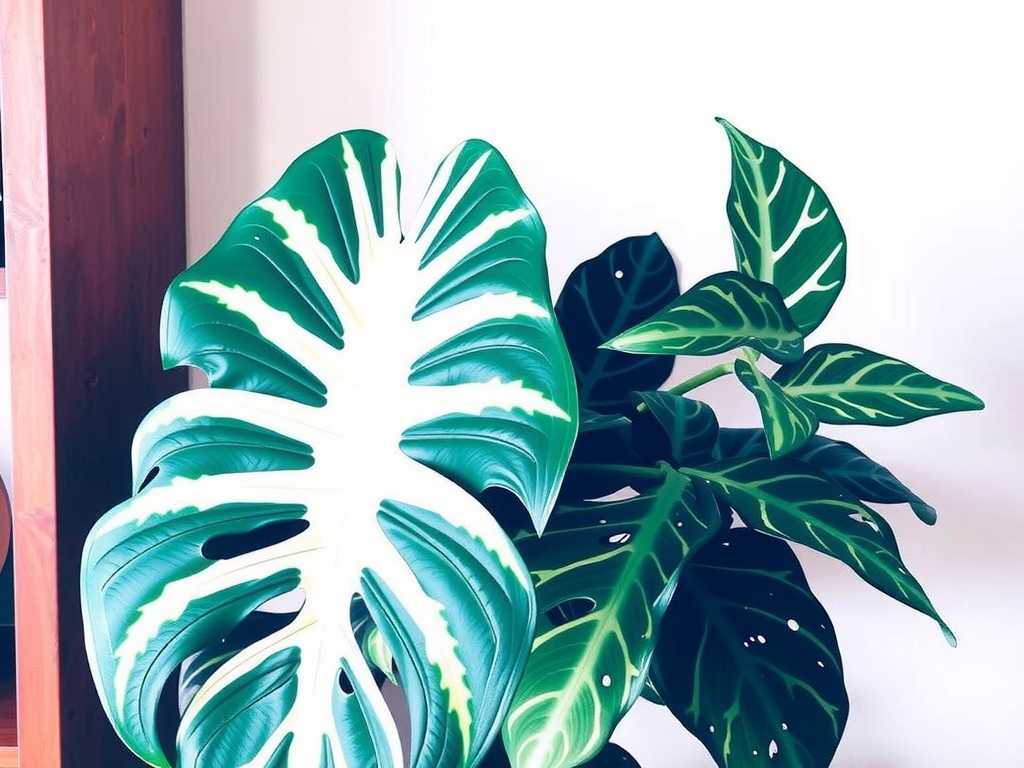
Understanding Your Variegated Monstera: It’s All in the Genes
First, knowing what you have is crucial. The variegation in Albos and Thai Constellations is fundamentally different, which affects their stability and care.
Monstera Albo Borsigiana (M. deliciosa ‘Albo-Variegata’): This plant produces stunning, large sectors of pure white or cream. This is a form of chimeric variegation, meaning the white sections completely lack chlorophyll. It’s unstable. A new stem growth, or “sport,” can revert to all-green or produce an all-white leaf, both of which are problematic. Reversion means you lose the prized variegation; an all-white leaf cannot photosynthesize and will eventually die, draining the plant’s energy.

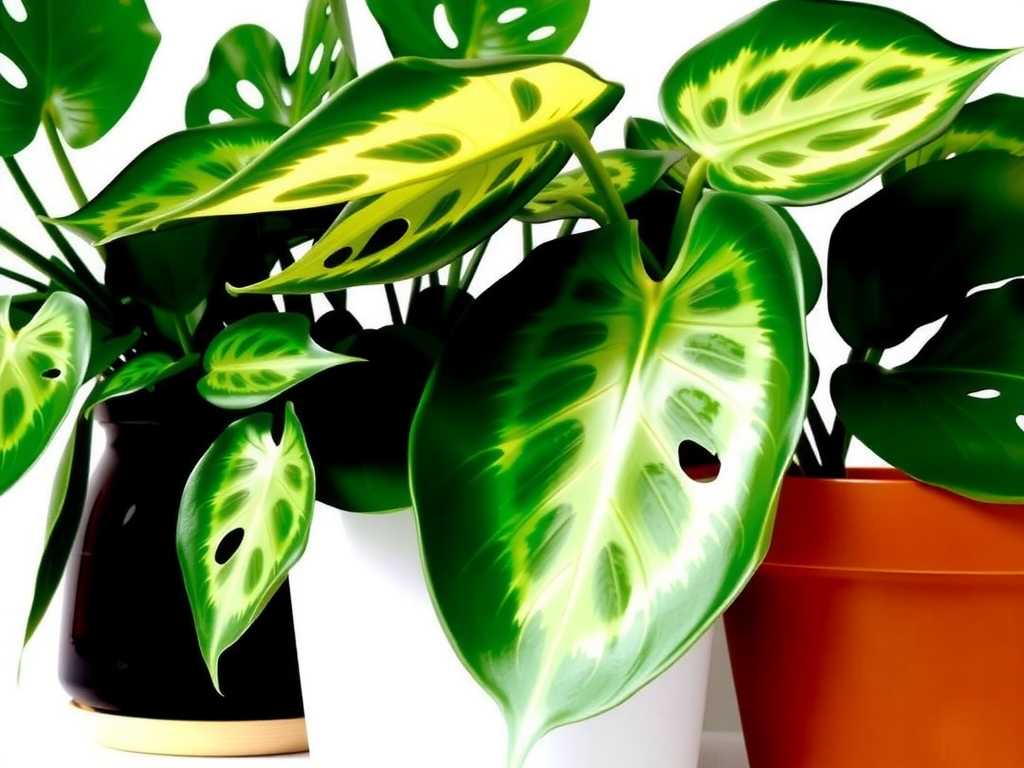
Monstera ‘Thai Constellation’ (M. deliciosa ‘Thai Constellation’): Developed in a laboratory in Thailand, this cultivar boasts creamy-yellow speckles and marbling that looks like a starry night sky. Its variegation is genetically stable and encoded in every cell. This means every new leaf will be variegated, and reversion is extremely rare. It also tends to have a more compact growth habit.
As the Royal Horticultural Society (RHS) notes, chimeric variegates like the Albo require more attentive pruning to manage growth points and maintain the variegation pattern, while stable cultivars like the Thai Constellation offer more predictable growth.
The Golden Rule: Light is Your Best Friend (And Biggest Challenge)
This is the most critical factor. Variegated leaves have less chlorophyll, so they need more bright, indirect light to produce the same energy as an all-green plant. However, the white portions are highly susceptible to sunburn.
My Two-Week Light Experiment: I acquired an Albo cutting with one mature, half-white leaf that was starting to develop a faint brown edge. I placed it in what I thought was a bright spot—about 6 feet from a north-east facing window. For two weeks, I monitored it daily. Growth was stagnant. The brown edge slowly progressed. I realized the plant was essentially “starving” in low light while still getting scorched by brief moments of direct sun.
The Fix: I moved it to a spot directly in front of a large, filtered east-facing window (sheer curtain diffused the morning sun). Within days, I noticed a change. The existing aerial root became more active, and a tiny nub at the node swelled. After two weeks, the browning on the leaf edge had completely halted, and that nub had developed into a visible new growth point. The lesson was clear: bright, consistent, indirect light is non-negotiable. Consider grow lights if your home is naturally dim. The American Horticultural Society’s (AHA) light guide recommends “bright, filtered light” for variegated foliage plants to support photosynthesis while preventing photobleaching or scorch.
Watering Wisdom: The “Soak and Dry” Method, Perfected
Overwatering is the fastest killer. These plants are epiphytic, meaning their roots need air as much as they need moisture.
My Process and Pitfall: I use a chunky, airy aroid mix (orchid bark, perlite, coco coir, charcoal). I water only when the pot feels noticeably light or when a moisture meter reads 2-3 (out of 10). I then take the plant to the sink and water thoroughly until it runs freely from the drainage holes, ensuring the entire root ball is saturated. I let it drain completely before returning it to its decorative pot.
The pitfall? I once used a pot that was slightly too deep and retained moisture at the bottom despite the good mix. The lower roots became suffocated, leading to root rot. The plant showed subtle signs: a leaf yellowing from the stem outward and a general lack of perkiness.
The Fix: I unpotted it, removed the mushy, brown roots (they smell foul), treated the healthy roots with a hydrogen peroxide solution (1 part 3% H2O2 to 4 parts water), and repotted into a shallower, terracotta pot. Terracotta’s porosity helps wick away excess moisture. Recovery took months, but it taught me that pot selection is as important as your watering routine.
Humidity & Support: Mimicking the Jungle Canopy
Aim for 60% humidity or higher. This prevents the delicate, thin white edges from crisping. I use a humidifier in my plant room, which I’ve found far more effective than misting. Misting can leave water spots and promote fungal issues if foliage stays wet.
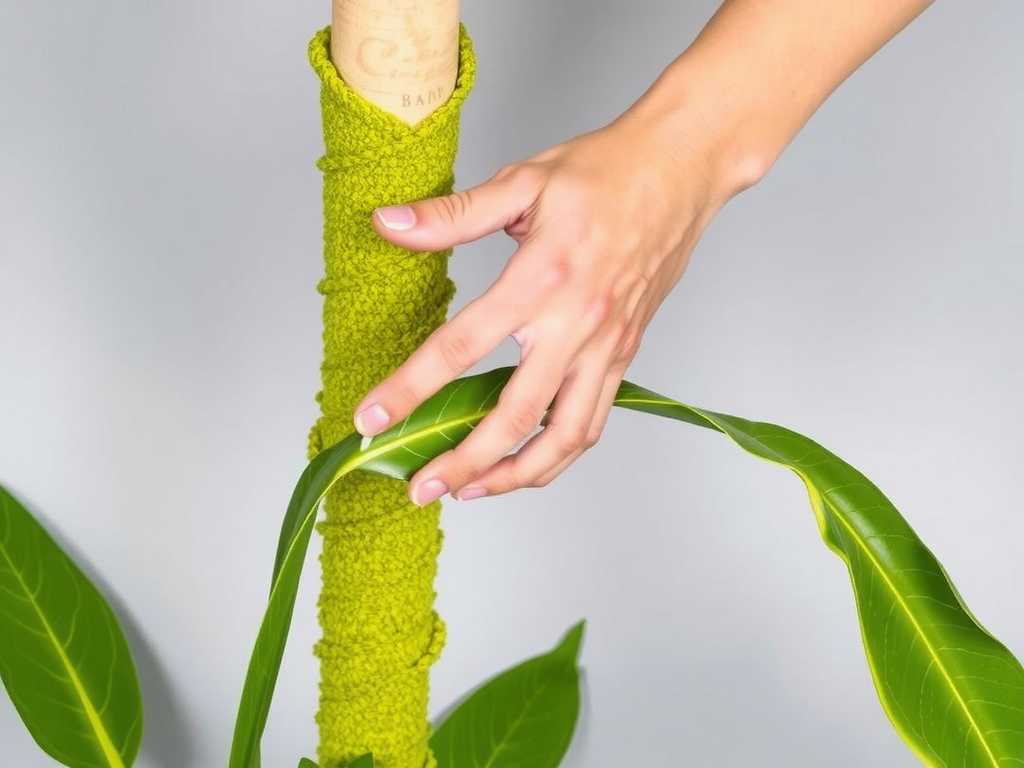
Both varieties are climbers. Providing a moss pole or wooden plank encourages larger, more mature leaf development with deeper fenestrations (splits and holes). I attach my stems gently using velcro plant ties, ensuring the aerial roots can grow into the moist moss pole. This makes a dramatic difference in growth form and plant health.
Fertilizing for Balanced Growth
The white parts cannot utilize fertilizer. Therefore, you must feed carefully to support the green parts without forcing excessive, weak growth. I use a balanced, liquid fertilizer (like a 3-1-2 NPK ratio) diluted to half-strength only during the active growing season (spring and summer). I do not fertilize in autumn and winter. Over-fertilizing can cause salt buildup and leaf burn, particularly on variegated sections.
Troubleshooting Common Issues
- Brown Crispy Edges on White Variegation: This is almost always due to low humidity, physical damage, or (less commonly) fertilizer burn on sensitive tissue. Increase ambient humidity.
- Yellowing Leaves: If it’s an older leaf at the bottom, it’s likely natural senescence. If it’s a new leaf or widespread, check for overwatering and root health.
- Reverting Growth (Albo-specific): If your Albo produces a stem with several all-green leaves in a row, you must prune it back. Cut the stem just above the last node that showed good variegation. This encourages growth from a point with variegated genetics.
- Slow Growth: Assess light first, then temperature and nutrients. These plants slow down significantly below 65°F (18°C).
How do I encourage more variegation on my Monstera Albo? You don’t “encourage” it; you select for it. The variegation pattern is determined by the growth point (node). When you prune, choose a stem cutting or guide new growth from a node that is on the stem’s white or sectoral variegation stripe. This gives the new growth a higher chance of carrying that pattern. Providing excellent light ensures the plant can sustain the variegated leaves it produces.
Can I put my variegated Monstera in direct sun? Avoid direct, harsh midday sun. Early morning or late afternoon direct sun for a very short period may be tolerated, especially if acclimated, but it’s a high-risk strategy. Bright, indirect light all day is the safest and most effective method. Think of light filtered through the canopy of a tree—that’s what we’re trying to replicate.
Is it normal for the white parts to turn brown eventually? Some minor browning over time can be normal, as the non-chlorophyllous tissue is more fragile. However, significant or rapid browning is a sign of stress—often from low humidity, underwatering (the white parts dehydrate first), or sunburn. By optimizing your care environment, you can minimize this and keep each beautiful leaf healthy for as long as possible.
Caring for a variegated Monstera is a rewarding journey of observation and adjustment. It asks for attentiveness, not constant intervention. By mastering the balance of intense yet indirect light, disciplined watering, and stable humidity, you create an environment where these spectacular plants can truly thrive. Remember, every plant tells a story. Listen to yours—observe its leaves, its growth pace, its posture. That daily connection is what transforms care from a chore into the most fulfilling part of the experience. Your Albo or Thai Constellation isn’t just a display piece; it’s a growing testament to your patience and understanding.
发表评论