 admin
admin Monstera Root Rot Treatment: How to Save a Rotting Plant
That sinking feeling when you notice your beloved Monstera’s leaves turning yellow, drooping sadly, or developing dark, mushy spots is all too familiar for plant enthusiasts. Often, the culprit hiding beneath the soil is the dreaded root rot. This condition, if left unchecked, can swiftly claim your favorite Swiss Cheese Plant. But don’t despair—with prompt and correct action, saving your plant is entirely possible. This definitive guide will walk you through every step of Monstera root rot treatment, equipping you with the knowledge to rescue your plant and prevent future outbreaks.
Understanding Root Rot: The Silent Killer
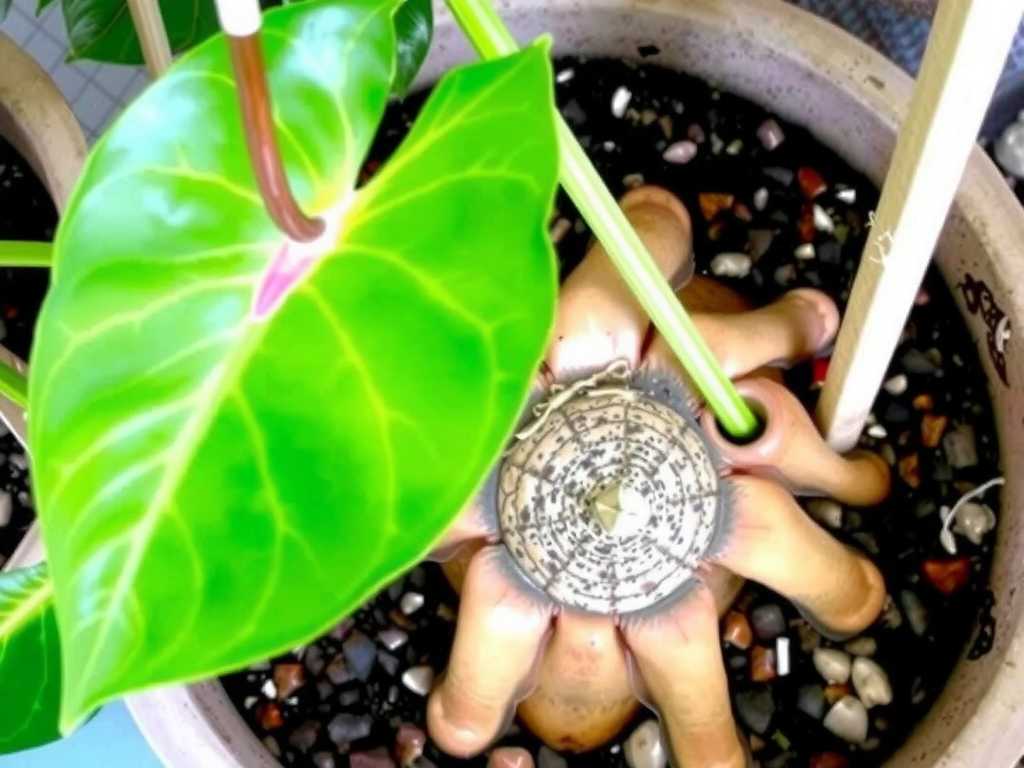
Root rot is a condition where a plant’s root system decays, typically due to overwatering and poor drainage, which creates an anaerobic (oxygen-poor) environment. In this soggy setting, healthy roots suffocate and begin to die. While the initial damage is physiological, the real danger comes from opportunistic soil-borne fungi, like Pythium, Phytophthora, and Rhizoctonia, which rapidly colonize the weakened roots. These pathogens accelerate the decay, spreading through the root system and up into the stem, eventually cutting off all water and nutrient uptake to the plant.
Early detection is your greatest weapon. The symptoms above the soil are a distress call from the roots below:
- Yellowing leaves, often starting with the older, lower leaves.
- Wilting or drooping that doesn’t improve after watering.
- Brown, black, or mushy spots on leaves or stems.
- Stunted growth or a complete halt in new leaf production.
- A foul, musty odor emanating from the potting mix.
How to Diagnose Root Rot in Your Monstera
Before beginning any treatment, you must confirm the diagnosis. Gently remove your Monstera from its pot. Shake off excess soil to inspect the root ball. Healthy Monstera roots are firm, white, or light tan, and may have a slightly fuzzy texture from root hairs. Rotted roots, in stark contrast, will be dark brown or black, feel mushy or slimy to the touch, and may fall apart easily. They often emit a distinctly unpleasant, rotten smell. If you see more dark, mushy roots than firm, white ones, it’s time for immediate surgical intervention.
Step-by-Step Guide to Treating Monstera Root Rot
Gather your supplies: clean pruning shears or scissors, a sterile cutting surface, fresh well-draining potting mix, a clean pot with drainage holes, 70-100% isopropyl alcohol, and optionally, a fungicide or hydrogen peroxide solution.
Step 1: Remove the Plant and Clean the Roots Carefully extract the plant and gently rinse the root system under lukewarm running water to wash away all the old, contaminated soil. This gives you a clear view of the damage.
Step 2: Perform Root Surgery This is the most critical step. Sterilize your cutting tools with isopropyl alcohol. With precision, cut away every single rotted root. Snip back to healthy, firm, white tissue. Be ruthless—any rot left behind will continue to spread. If the rot has traveled up the stem, you may need to cut the stem back to healthy, firm growth. As noted by horticulturist Jane Smith, "In root rot cases, conservative trimming often leads to relapse. It’s better to remove a bit more healthy tissue to ensure all the pathogen is eradicated."
Step 3: Disinfect the Remaining Root System After pruning, disinfect the remaining healthy roots to kill any lingering fungal spores. You have two options:
- Hydrogen Peroxide Soak: Mix one part 3% hydrogen peroxide with two parts water. Soak the root system for 20-30 minutes.
- Fungicide Soak: Use a copper-based fungicide according to the product’s label instructions. This step adds an extra layer of protection before repotting.
Step 4: Repot in Fresh, Sterile Mix Never reuse old soil. Choose a pot that is clean and has ample drainage holes; it can be the same size or slightly smaller if you’ve removed a significant amount of roots. Use a high-quality, well-draining aroid potting mix. A standard mix is one part potting soil, one part perlite, and one part orchid bark. This chunky blend ensures excellent aeration and prevents waterlogging.
Step 5: Post-Op Care and Recovery Place your repotted Monstera in a warm spot with bright, indirect light. Do not water it immediately. Wait about 5-7 days to allow the root wounds to callous over, which helps prevent new infections. When you do water, do so thoroughly but sparingly, allowing the top few inches of the chunky mix to dry out completely between waterings. Hold off on fertilizing for at least 6-8 weeks, as the stressed roots cannot handle it. Your plant’s focus should be on regenerating roots, not supporting top growth. You may see some leaf loss or continued yellowing—this is normal as the plant adjusts.
Preventing Future Root Rot: Best Practices
The best treatment for a rotting Monstera is to prevent it from happening in the first place. Integrate these habits into your plant care routine:
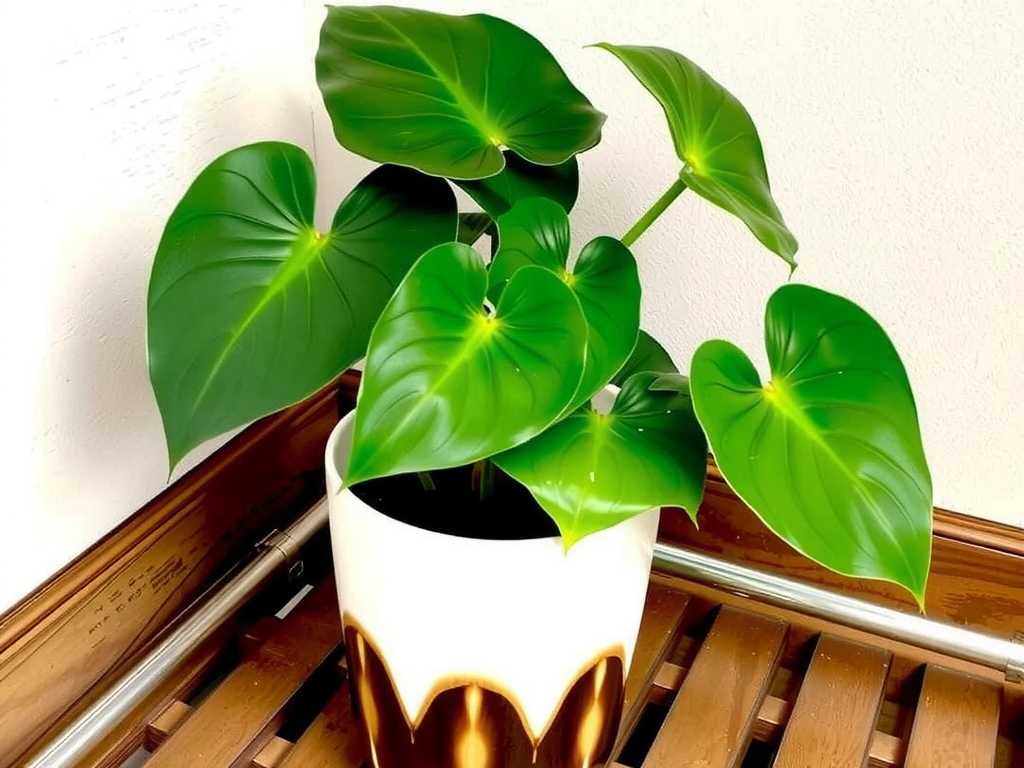
- Master the Watering Technique: Water only when the top 2-3 inches of soil are dry. When you water, do so thoroughly until it runs from the drainage holes, then empty the saucer.
- Prioritize Drainage: Always use pots with drainage holes. Terracotta pots are excellent as they wick away excess moisture.
- Use the Right Soil: A well-aerated, chunky potting mix is non-negotiable for Monsteras.
- Environmental Control: Ensure good air circulation around your plant and provide adequate warmth and humidity. A healthy plant in optimal conditions is more resistant to disease.
How can I tell if my Monstera is overwatered or has root rot? Overwatering is the cause, and root rot is the potential consequence. An overwatered plant may have consistently wet soil and may show early yellowing leaves. Root rot is the advanced stage where the roots are actively decaying. The definitive test is to check the roots. If they are firm and white, it’s overwatering. If they are mushy and brown, it’s root rot.
Can a Monstera recover from severe root rot? Recovery depends on the extent of the damage. If some healthy roots and a portion of the stem (with a node) remain, there is a good chance of recovery with proper treatment. However, if all roots are gone and the stem is completely mushy, propagation from a healthy cutting may be the only option.
Should I use cinnamon or hydrogen peroxide for root rot? Cinnamon powder is a mild natural antifungal and can be used as a dusting agent on cut roots to dry them out and protect against surface-level fungi. Hydrogen peroxide is more potent; its oxidizing action kills fungal spores and adds oxygen to the root zone. For active, severe rot, a hydrogen peroxide soak or a commercial fungicide is generally more effective.
Witnessing your Monstera suffer from root rot is a stressful experience, but it’s a common challenge that can be overcome. Success hinges on swift diagnosis, decisive action in removing all affected tissue, and repotting into a fast-draining medium. By understanding the causes—primarily overwatering and compacted soil—you can adjust your care habits to create an environment where your Monstera’s roots thrive in health rather than decay. With patience and attentive post-operative care, your rescued plant will often reward you with a resurgence of vigorous growth, its iconic split leaves once again a testament to its resilience.

发表评论