 admin
admin Why Is My Monstera Turning Yellow? A Complete Guide to Pest Identification and Fixes
You've lovingly cared for your Monstera deliciosa, watching its iconic split leaves unfurl. Then, you spot it: a sickly yellow patch. Panic sets in. Before you blame your watering can, consider this—unwanted pests could be the silent culprits. Yellowing leaves are your Monstera's distress signal, and often, Monstera leaf yellowing from pests is the root cause. Ignoring these signs can lead to a rapid decline. This guide will empower you to become a plant detective, correctly identify the invaders, and implement effective, plant-safe solutions to restore your green giant's health.
Understanding the Link Between Pests and Yellow Leaves
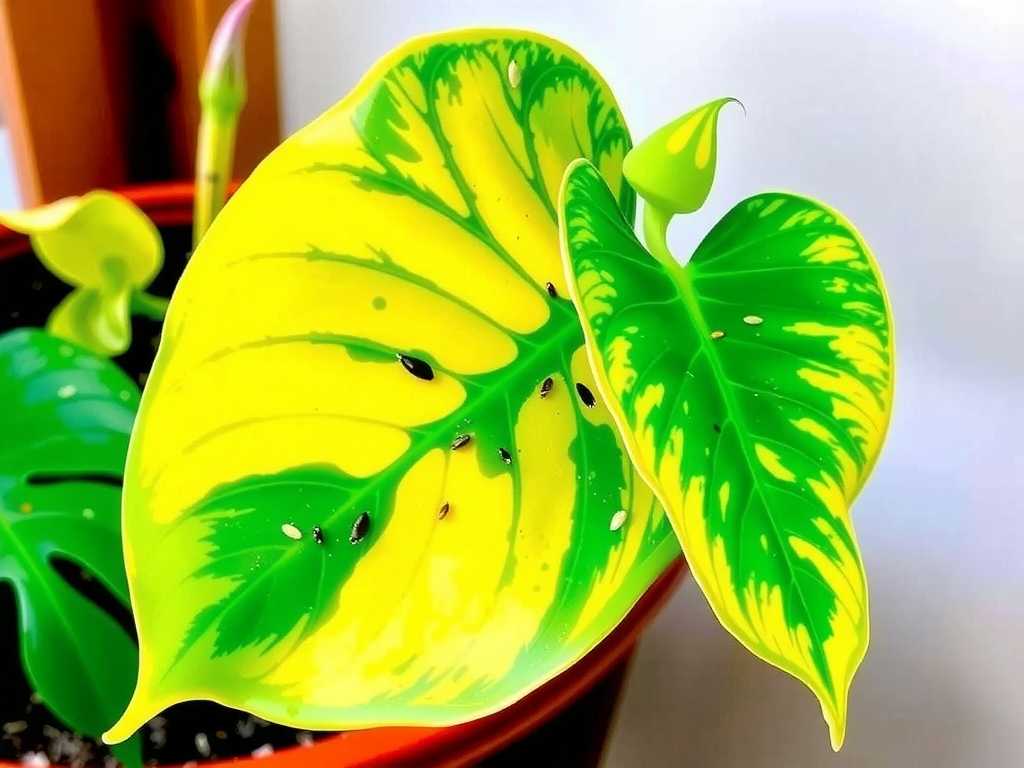
Pests don't just sit on your plant; they actively harm it. Their feeding mechanisms directly damage leaf tissue and disrupt the plant's vital functions, leading to that alarming yellow color, known as chlorosis.
- Sap-Sucking Pests: Insects like spider mites, thrips, aphids, and scale pierce the leaf cells with their needle-like mouthparts. They drain the chlorophyll-rich sap, which is essential for photosynthesis. This creates tiny, pale dots (stippling) that can merge into large yellow areas. As noted by entomologist Dr. Eleanor Vance, "The loss of chlorophyll from sustained feeding is a direct path to chlorosis. The plant is literally being starved of its ability to feed itself."
- Physical Damage and Toxins: Some pests, like thrips, scrape the surface before sucking, leaving silvery streaks. Others, like aphids, inject toxic saliva as they feed, further distorting and discoloring leaves.
- Secondary Issues: The honeydew excreted by many sap-suckers fosters sooty mold, a black fungus that blocks sunlight, compounding the yellowing problem.
Step 1: Identifying the Pest Causing Yellow Leaves
Accurate identification is 90% of the cure. Isolate your plant and grab a magnifying glass. Check the undersides of leaves, along stems, and at leaf junctions.
Common Culprits of Monstera Leaf Yellowing
Spider Mites These are not insects but tiny arachnids, almost invisible to the naked eye. They create fine, wispy webbing, especially under leaves and between stems.
- Damage Signs: Look for subtle yellow or white stippling on the upper leaf surface. Leaves may take on a dull, dusty appearance before turning entirely yellow and brittle.
- Hotspot: Thrive in warm, dry, indoor conditions.
Thrips Slender, fast-moving insects that can be yellow, black, or brown. Adults may fly when disturbed.
- Damage Signs: Feeding causes irregular silvery-white streaks or patches, often with tiny black specks (their excrement). Leaves can become distorted, curl, and show extensive yellowing.
- Hotspot: Hide inside unfurling new leaves and flower buds.
Scale Insects They appear as immobile, bumpy growths on stems and leaf veins. They can be soft scale (oval, tan to brown) or hard scale (like small, dark shells).
- Damage Signs: Yellowing of leaves directly around and above the site of infestation. Heavy infestations cause leaf drop and a sticky honeydew residue.
- Hotspot: Protected areas like the back of the leaf where it meets the stem.
Mealybugs Easily identified by their white, cottony, fluffy appearance. They cluster in leaf axils, under leaves, and on stems.
- Damage Signs: Yellowing, wilting, and leaf drop. Their feeding weakens the plant significantly, and like scale, they produce honeydew.
- Hotspot: Crevices and the underside of leaves near the main stem.
Step 2: Effective Treatment and Fixes
Once identified, act swiftly with a progressive approach. Start with the least toxic option.
Immediate Action and Isolation Immediately quarantine the affected Monstera to prevent pests from spreading to your other houseplants. Gently wipe down leaves with a damp cloth to remove dust, webs, and some surface pests.
Physical and Mechanical Removal
- Strong Water Spray: Take your plant to the shower or use a hose sprayer to dislodge a significant portion of pests like spider mites and aphids. Target the leaf undersides.
- Manual Wiping: For scale and mealybugs, dip a cotton swab in rubbing alcohol (isopropyl 70%) and dab each insect directly. This dissolves their protective coating.
Organic and Low-Toxicity Treatments
- Insecticidal Soap: A highly effective first-line treatment for soft-bodied pests. It works by breaking down the insects' outer layer. Ensure the product is labeled for houseplants, cover all surfaces, and reapply every 4-7 days for 2-3 weeks to break the life cycle.
- Neem Oil: A natural multi-tool. It acts as a repellent, an insect growth regulator, and a feeding disruptor. Mix according to label instructions and spray thoroughly in the evening (to prevent leaf burn from sunlight). Repeat weekly.
- Horticultural Oil: Similar in application to neem oil, it smothers pests and their eggs. Effective against all stages of scale.
Chemical Treatments (Last Resort) For severe, persistent infestations, systemic insecticides may be necessary. These are absorbed by the plant, making its sap toxic to feeding pests. Use these with extreme caution, strictly following label directions, and preferably outdoors.
Step 3: Post-Treatment Care and Prevention
Recovery takes time. Your plant has been under immense stress.
Supporting Your Monstera's Recovery
- Hold Off on Fertilizer: Do not fertilize a stressed plant. Wait until you see consistent new, healthy growth.
- Optimize Care: Ensure your Monstera has appropriate, bright indirect light and that you are watering correctly—allowing the top few inches of soil to dry out. A stressed plant is more susceptible to reinfestation.
- Prune Severely Damaged Leaves: If a leaf is more than 60% yellow or damaged, prune it at the stem base with sterile shears. This allows the plant to redirect energy to new growth.
Building a Pest-Resistant Environment
- Regular Inspections: Make checking your plants, especially the undersides of leaves, part of your weekly watering routine.
- Boost Humidity: Spider mites despise humidity. Regular misting, a pebble tray, or a humidifier can deter them.
- Quarantine New Plants: Always isolate new plants for 2-3 weeks before placing them near your collection.
- Keep It Clean: Periodically wipe leaves and avoid letting debris sit on the soil surface.
Addressing Common Concerns
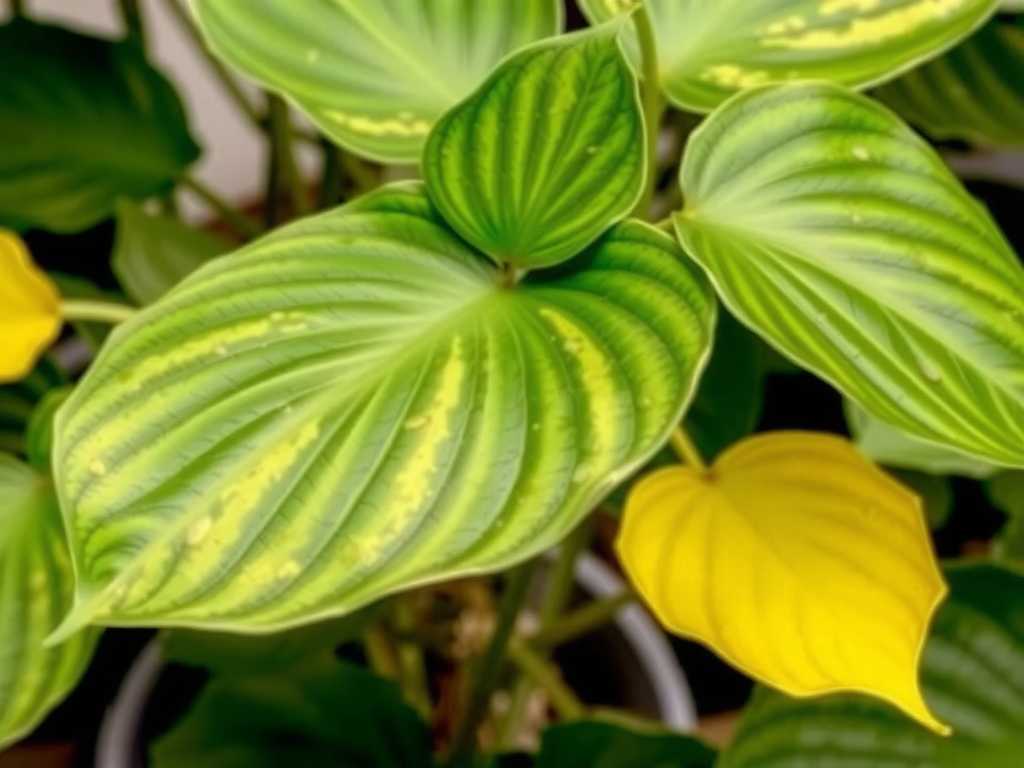
Can a yellow leaf from pest damage turn green again? Unfortunately, no. Once chlorophyll is destroyed and leaf tissue turns yellow, that section cannot recover. The goal of treatment is to stop the damage and save the remaining green tissue and new growth. You may prune the fully yellowed portions for aesthetics.
How often should I apply neem oil or insecticidal soap? Consistency is key. Most life cycles are 7-10 days. Apply treatments every 5-7 days for at least 3-4 applications. This ensures you eliminate newly hatched nymphs before they can mature and reproduce.
My pest problem is gone, but my Monstera is still yellowing. Why? This points to a secondary issue. Pest damage often weakens the plant, making underlying problems worse. Re-evaluate your core care: could it be overwatering (causing root rot), chronic underwatering, or insufficient light? The pest attack may have been the initial stressor that tipped the plant over the edge.
Spotting yellow leaves on your Monstera is always a cause for concern, but with a systematic approach, it's a solvable problem. The key is careful observation, correct pest identification, and persistent, appropriate treatment. By integrating regular plant check-ups into your routine and creating an environment that supports plant health, you can minimize the risk of future infestations. Your resilient Monstera, with proper care, will reward you by pushing out new, healthy, and beautifully fenestrated leaves once more.

发表评论