 admin
admin Monstera Yellow Leaves: Causes & Fixes for Overwatering and Underwatering
There’s a special kind of plant parent panic that sets in when you notice that first yellow leaf on your beloved Monstera. I’ve been there, staring at a once-vibrant leaf turning a sickly yellow, my mind racing with questions. Is it dying? Did I give it too much water, or not enough? The confusion between overwatering and underwatering is real, and getting it wrong can send your plant into a downward spiral. As a long-time indoor jungle enthusiast who has nursed many Monsteras back to health, I’ve learned that yellow leaves are not a death sentence, but a crucial message from your plant. In this guide, I’ll walk you through exactly how to diagnose the true cause—be it overwatering or underwatering—and share the precise, actionable steps I took to fix the problem, based on my own hands-on experience and careful observation.
Understanding the Language of Yellow Leaves
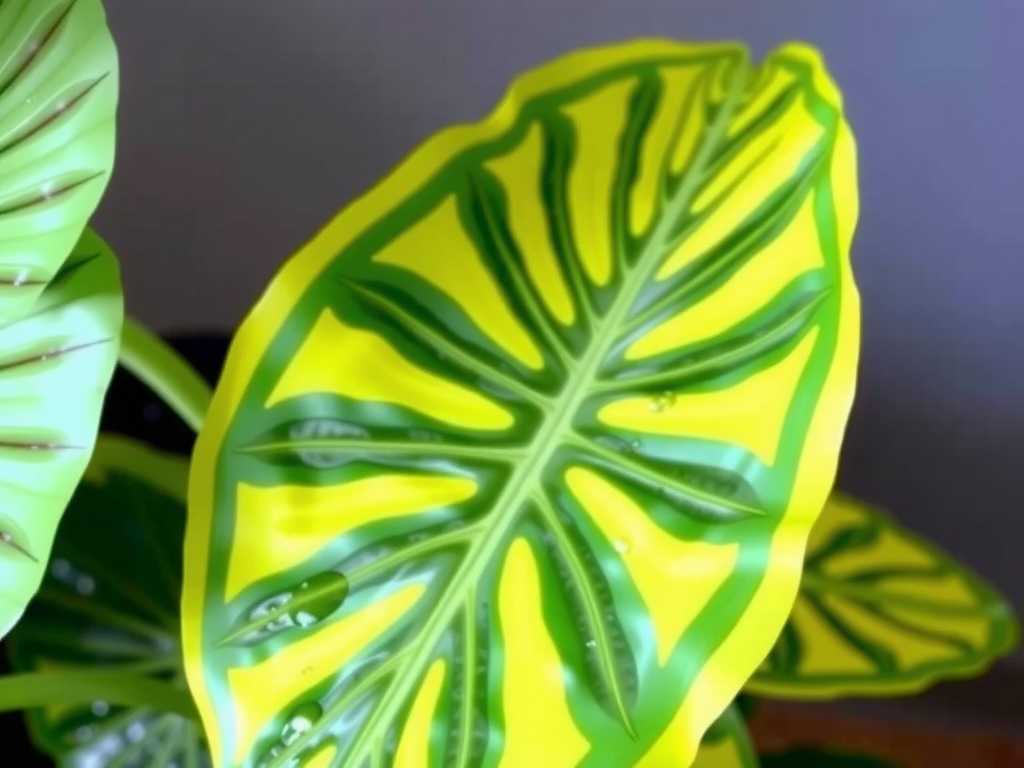
Before you reach for your watering can, you need to play plant detective. Both overwatering and underwatering can cause yellowing, but the context and accompanying signs are different. Rushing to water a plant that is already drowning is the most common and devastating mistake we make.
The Silent Killer: Overwatering and Root Rot
This is, by far, the most frequent cause of Monstera yellow leaves I encounter. It’s not about the amount of water at one time, but the frequency that keeps the roots suffocating in soggy soil.
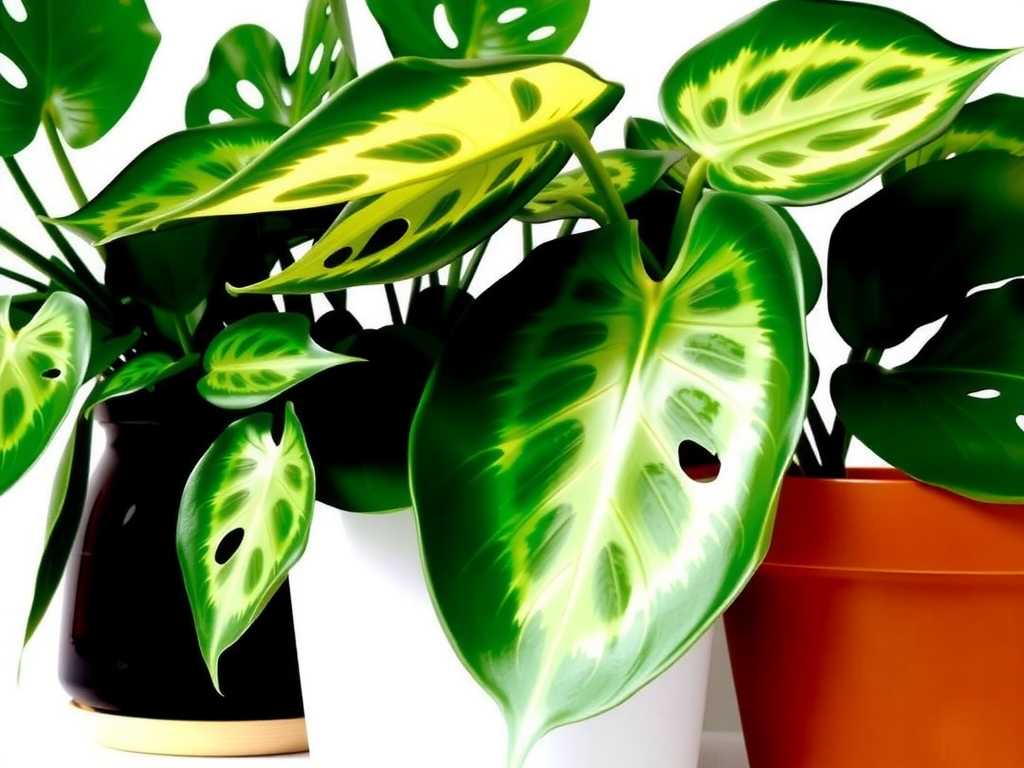
- How to Spot It: The yellowing often starts with the older, lower leaves first. The yellow is typically a pale, sometimes almost creamy color. The key differentiator is the texture. An overwatered yellow leaf often feels soft, mushy, and may droop heavily. The soil will feel consistently wet or damp long after watering. In advanced cases, you might see dark brown or black spots on the leaves, and the stems near the soil may feel soft. A musty smell from the soil is a major red flag.
- The Root of the Problem: When roots sit in water, they are deprived of oxygen and begin to rot. Rotten roots are brown/black, slimy, and mushy—they cannot absorb water or nutrients, ironically causing symptoms similar to thirst. The Royal Horticultural Society (RHS) emphasizes that “overwatering is the most common cause of plant death,” primarily due to this root rot cycle.
The Cry for Help: Underwatering Stress
While less immediately fatal than root rot, chronic underwatering weakens your Monstera, making it susceptible to pests and other issues. The plant is simply dehydrated.
- How to Spot It: Yellowing from underwatering can affect leaves at various levels, but often starts at the edges or tips before spreading inward. The telltale sign is the texture: the leaves will be dry, crispy, and brittle to the touch. The plant will look wilted, and the soil will be bone-dry and may have pulled away from the edges of the pot. The leaves, especially newer ones, might also curl inward to conserve moisture.
My 2-Week Rescue Mission: Diagnosing and Treating an Overwatered Monstera
Last spring, my favorite large Monstera deliciosa developed several yellow lower leaves. I assumed it was thirsty in the warmer weather and watered it. The problem worsened. Here’s my real-world, step-by-step recovery process.
Week 1: Diagnosis and Immediate Action
- The Unpotting: I stopped all watering. Gently tipping the pot, I slid the root ball out. The soil at the bottom was cold and soggy.
- The Root Inspection: This is the only way to be sure. I carefully rinsed the roots with lukewarm water to remove the old soil. The discovery: about 40% of the root system was dark brown, slimy, and fell apart easily—classic root rot. Healthy Monstera roots should be firm and white or light tan.
- Surgery: Using sterilized pruning shears (I wiped them with isopropyl alcohol), I meticulously cut away every single rotten root back to healthy, firm tissue. It felt drastic, but it’s necessary. Any rot left behind will spread.
- The Fresh Start: I chose a clean pot with excellent drainage holes, only slightly larger than the remaining root ball. A too-big pot holds excess moisture. I used a chunky, well-aerated aroid mix (orchid bark, perlite, potting soil, and horticultural charcoal) to ensure future drainage.
- The Repot and Pause: I repotted the plant in the new mix, watered it lightly just to settle the soil around the roots, and placed it in bright, indirect light. I did not fertilize; stressed plants cannot use it.
The First Week’s Observations and a Mistake I Made
For the first 3-4 days, the plant looked sad and droopy—this is normal transplant shock. I resisted the urge to water it again. My mistake? I initially placed it in a spot that got a bit of direct afternoon sun. The stressed plant showed signs of leaf scorch on one remaining yellow leaf. I quickly moved it to a location with consistent, gentle light, which made a noticeable difference in its recovery posture within 48 hours.
Week 2: Monitoring and Signs of Hope
I did not water again in the second week. I monitored the soil moisture by sticking my finger deep into the pot. The top two inches dried out, but deeper down, it remained slightly moist—perfect. By the end of the second week, the drastic wilting stopped. The remaining healthy leaves felt firm and perky. Most importantly, the yellowing completely stopped progressing. No new leaves showed any signs of yellow. This was my confirmation that the root rot had been arrested. I noticed the very beginning of a new, small aerial root nub, a sure sign the plant was shifting energy back to growth.
Preventing Future Overwatering: My Routine
The American Horticultural Society’s (AHS) “right plant, right place” principle is key. I adapted it to “right watering, right time.” I now water only when the top 2-3 inches of soil are completely dry. I use a moisture meter for my larger pots as a backup check. I always empty the cachepot or saucer 30 minutes after watering. In winter, my Monstera sometimes goes 3-4 weeks between waterings.
Addressing Underwatering: A Simpler Fix
If your diagnosis points to thirst, the remedy is more straightforward but requires care.
- The Deep Soak: Simply topping up the surface isn’t enough. I place the dry pot in a sink or basin and water thoroughly from the top until water runs freely out the bottom. I let it sit in the water for about 30-45 minutes, allowing the root ball to fully rehydrate.
- Drain Completely: After the soak, I let the pot drain completely in the sink before returning it to its decorative cover. Never let it sit in standing water.
- Recovery Observation: A truly underwatered Monstera will often perk up within a few hours to a day. The yellow, crispy leaves will not turn green again. I prune these off once the plant is stable to redirect its energy. New growth should emerge healthy.
Beyond Water: Other Factors That Can Cause Yellowing
While water is the prime suspect, other issues can contribute. Ensure your plant receives adequate bright, indirect light. Nutrient deficiency (like nitrogen) can cause overall yellowing, but this is usually gradual. Always rule out water issues first. Pests like spider mites can also cause stippling and yellowing; inspect the undersides of leaves regularly.
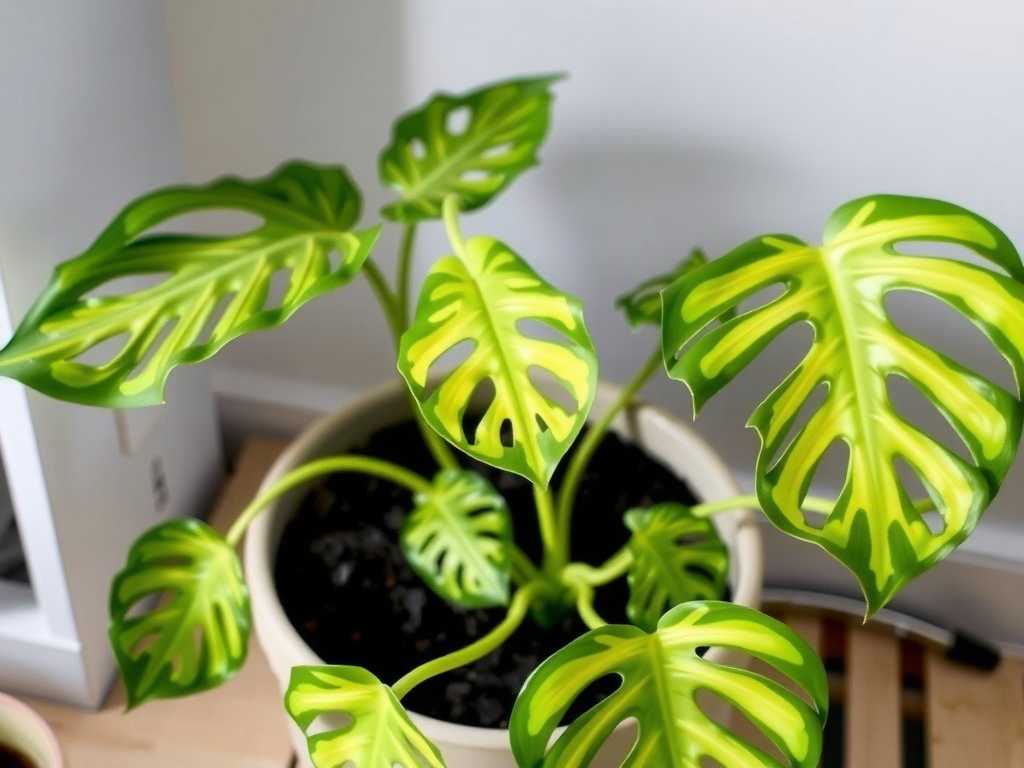
Why did my Monstera leaf turn yellow after I repotted it? This is common and usually due to transplant shock. The plant is redirecting energy to root establishment. Ensure you didn’t pot into a much larger container or overwater afterward. Provide stable conditions, and it should stabilize in a few weeks. My overwatered Monstera showed shock, but by keeping the soil on the drier side, it recovered.
Can a yellow Monstera leaf turn green again? No, once a leaf has turned yellow, the chlorophyll is gone, and that section of the leaf cannot recover. It’s best to prune it off once it’s fully yellow or crispy. This helps the plant focus its resources on new, healthy growth. I use clean shears to cut near the main stem.
How often should I really water my Monstera to prevent yellow leaves? There is no universal schedule. It depends on pot size, soil type, light, temperature, and humidity. The only reliable method is the “finger test.” Stick your finger into the soil up to the second knuckle. If it feels dry, it’s time to water. If it feels moist, wait. This method, which I now swear by, has kept my plants consistently healthy for over a year.
Watching your Monstera’s leaves turn yellow is a worry, but it’s a solvable puzzle. The critical first step is to resist panic-watering and instead assess the texture of the leaf and the soil. Remember, overwatering often presents with soft, mushy yellow leaves and wet soil, while underwatering gives you dry, crispy leaves and parched soil. My two-week recovery journey from root rot proved that with a brave root inspection, a fresh well-draining home, and disciplined watering afterward, your plant can bounce back stronger. Your Monstera is resilient. By learning its language and responding with patience and the right action, you’ll move from a worried plant parent to a confident one, enjoying lush, green, and healthy growth for years to come.
发表评论